
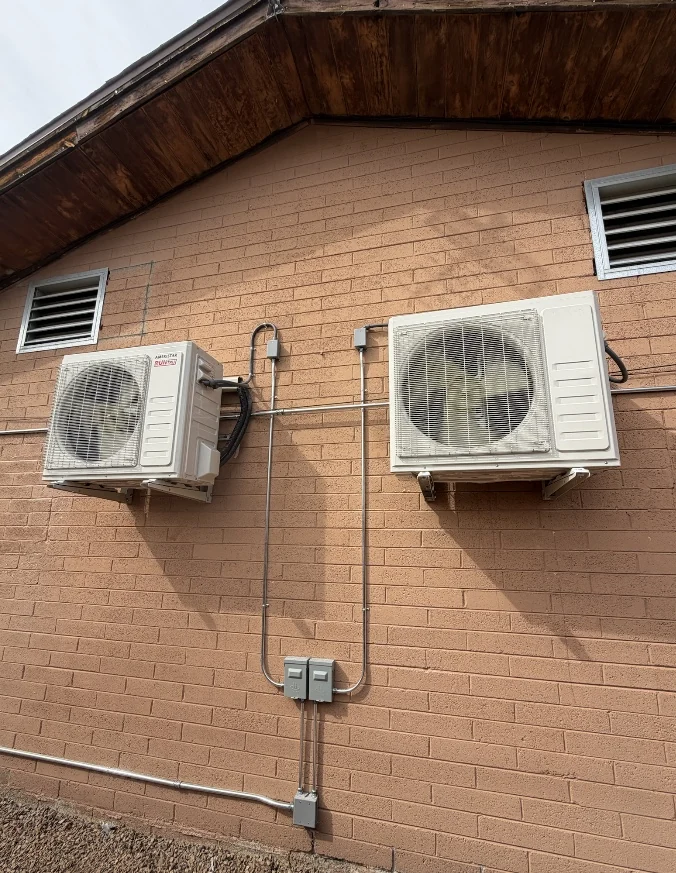
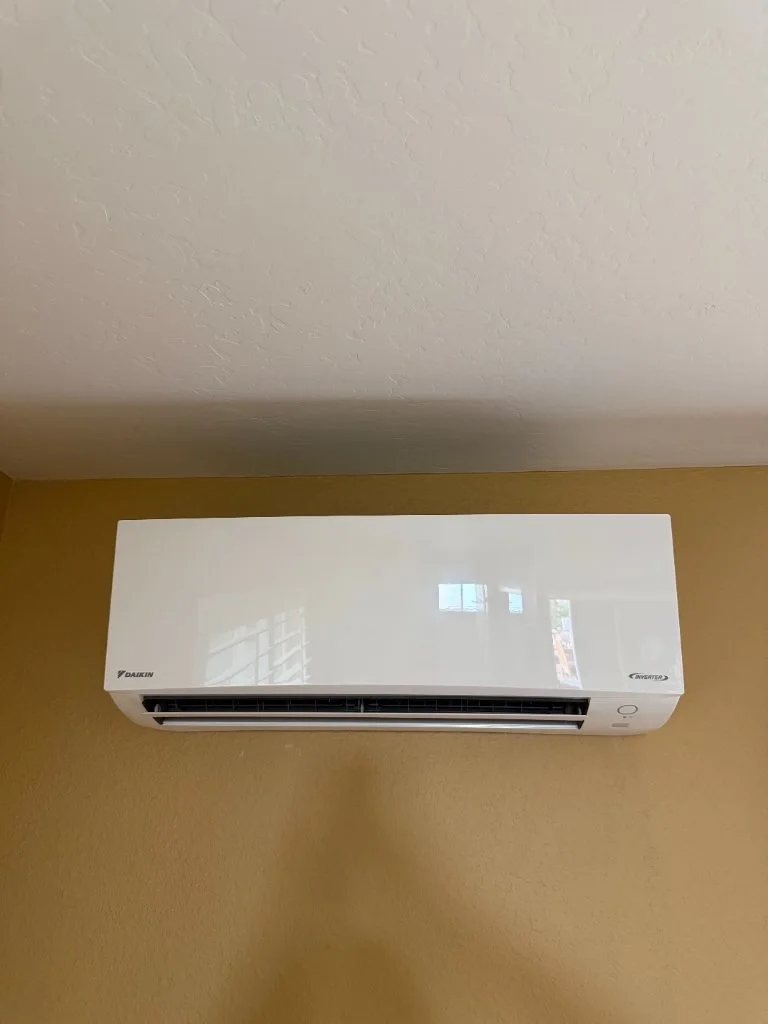
Indoor Air Handler
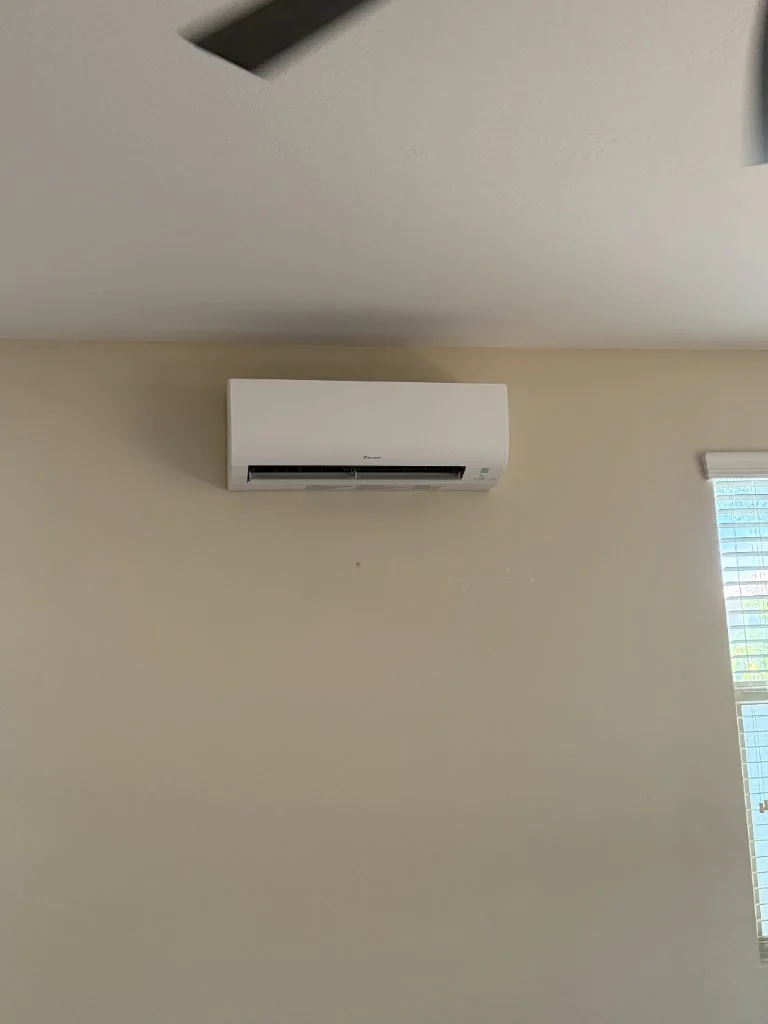
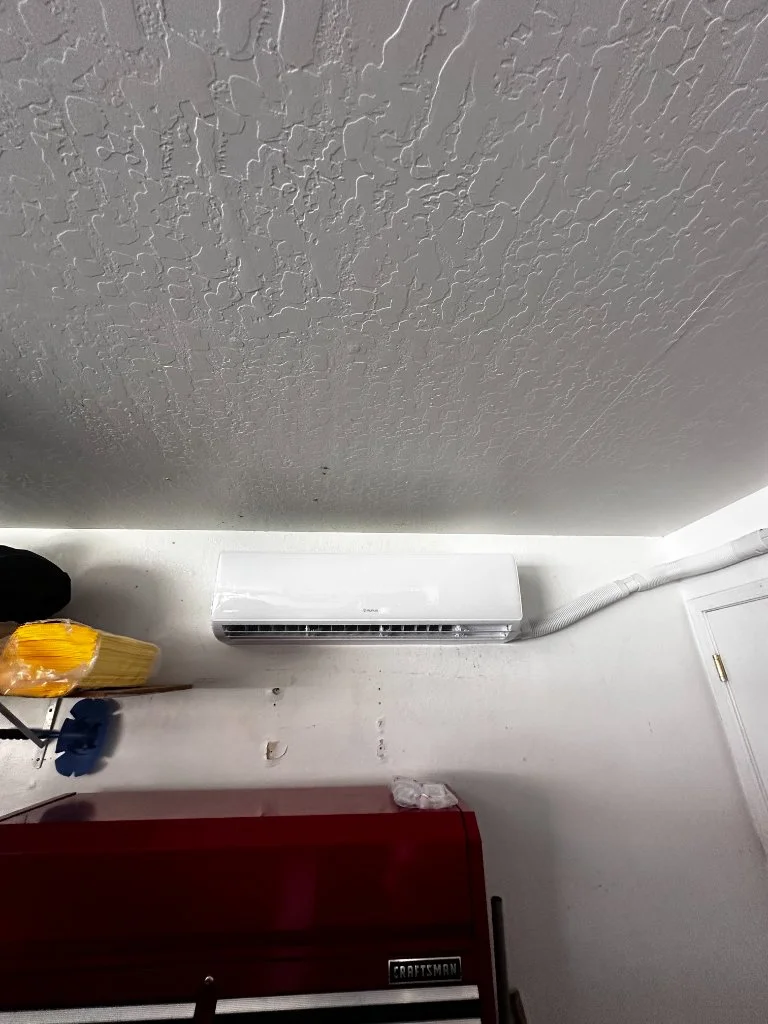
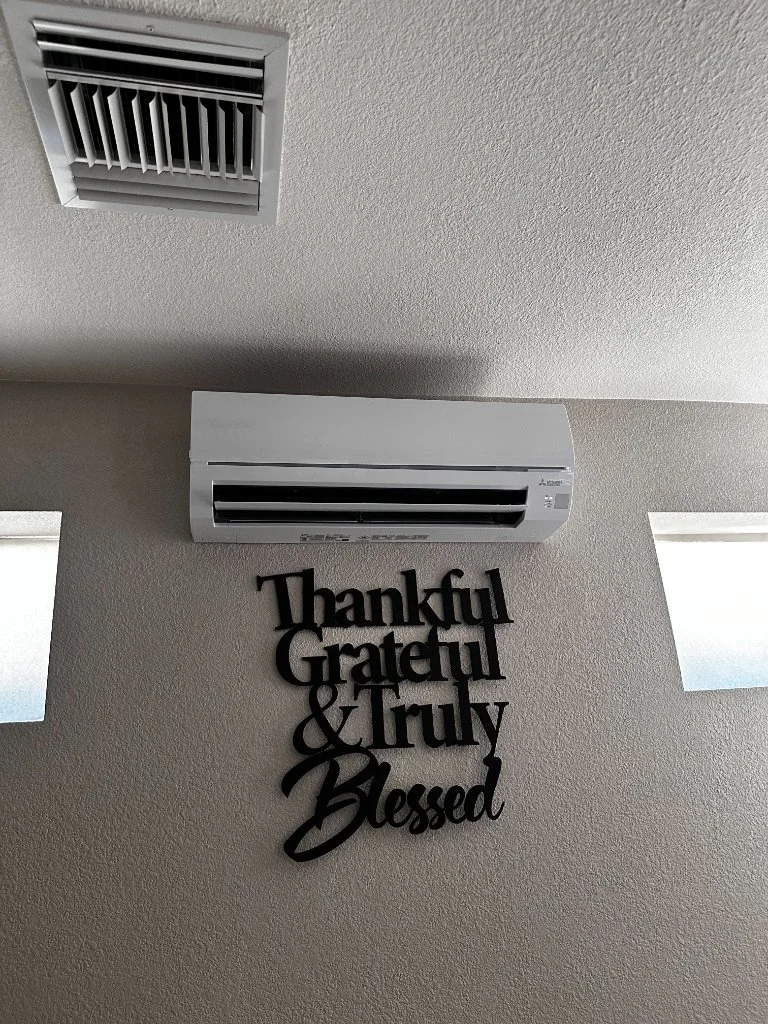
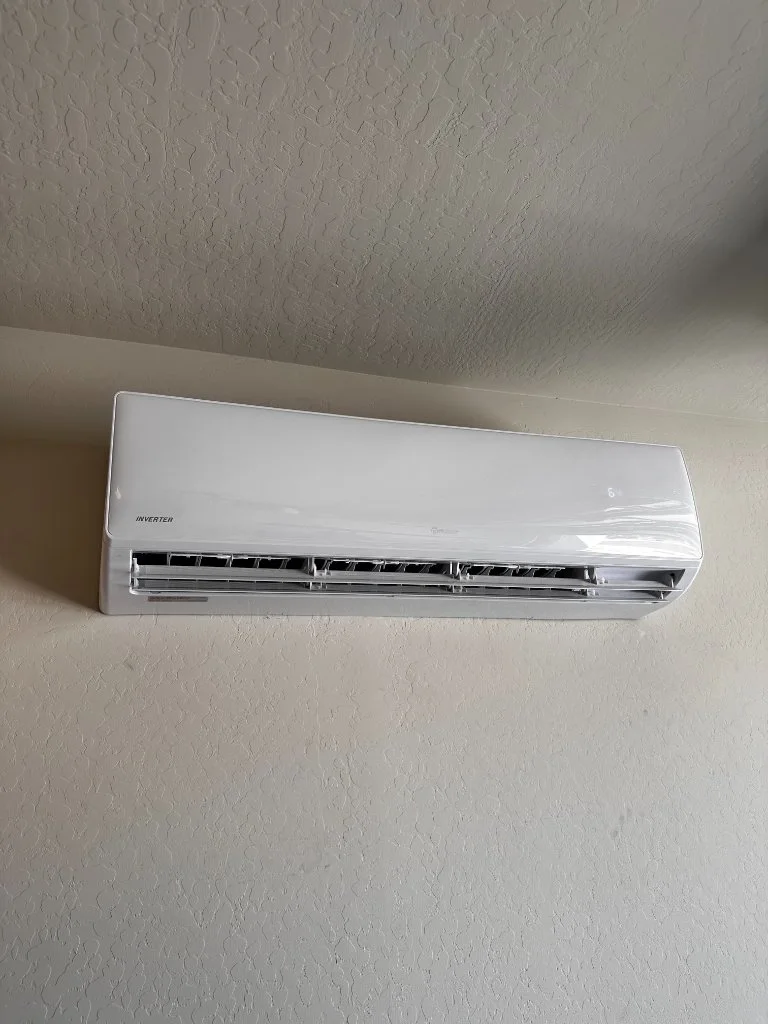
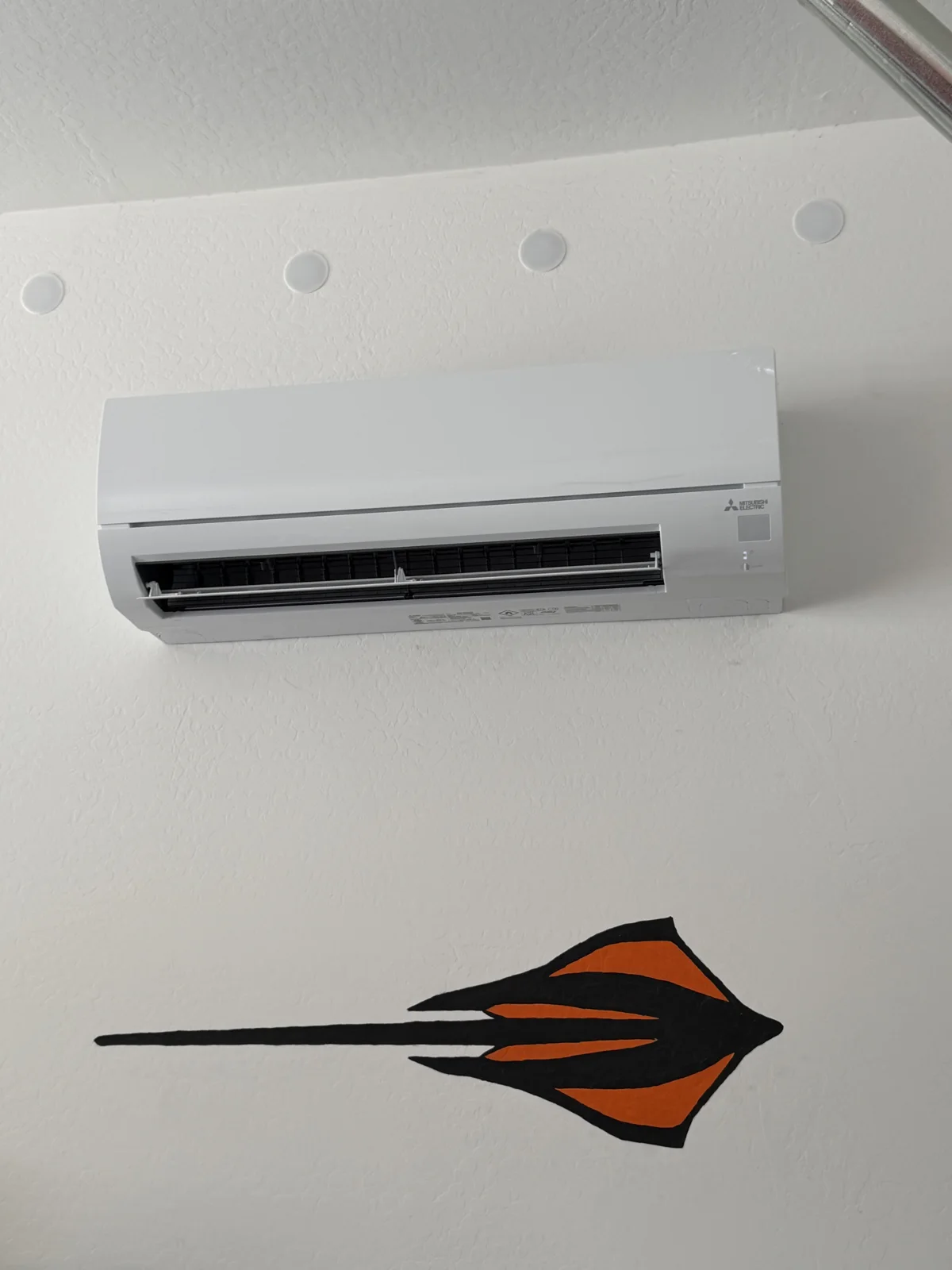
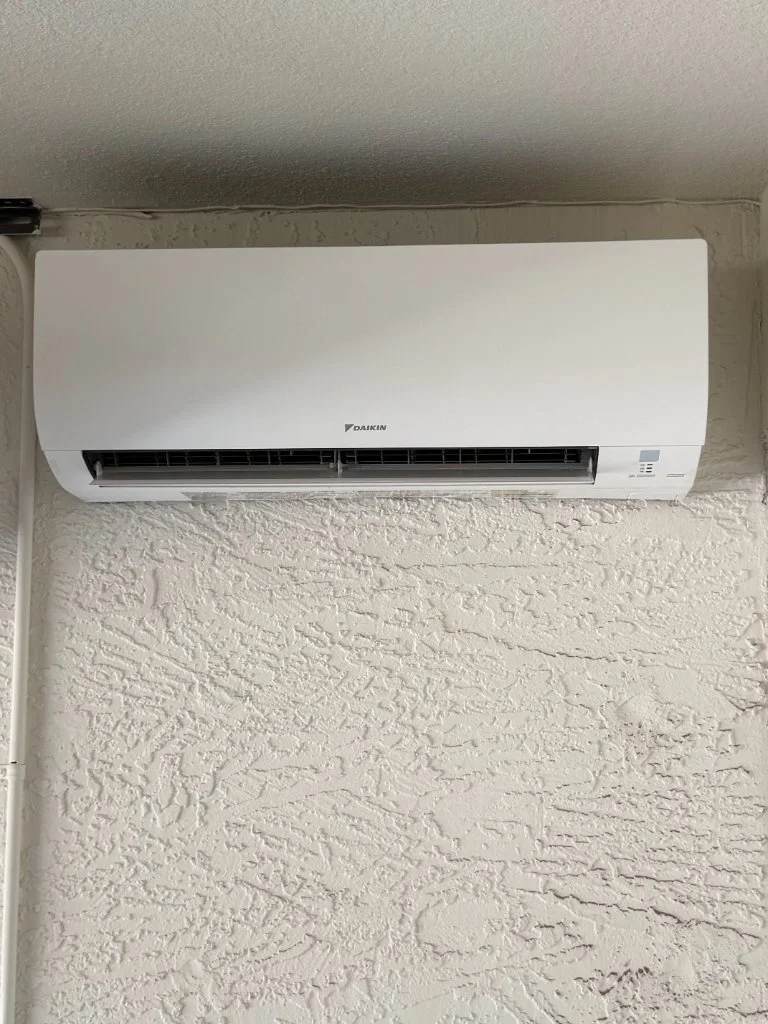
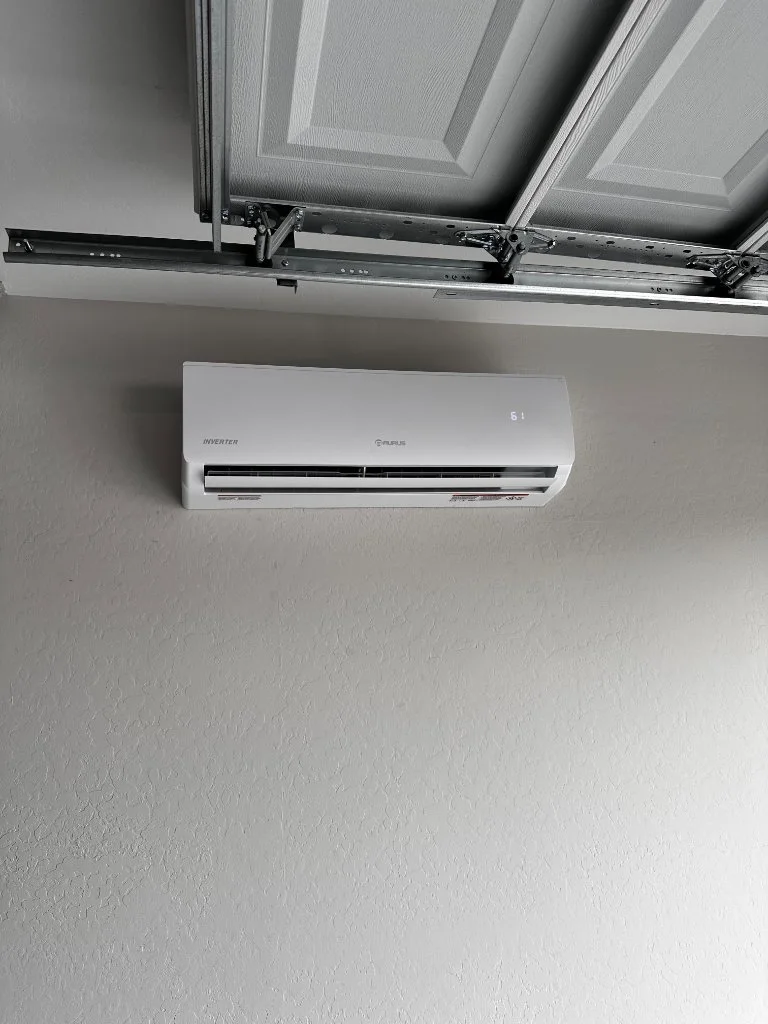
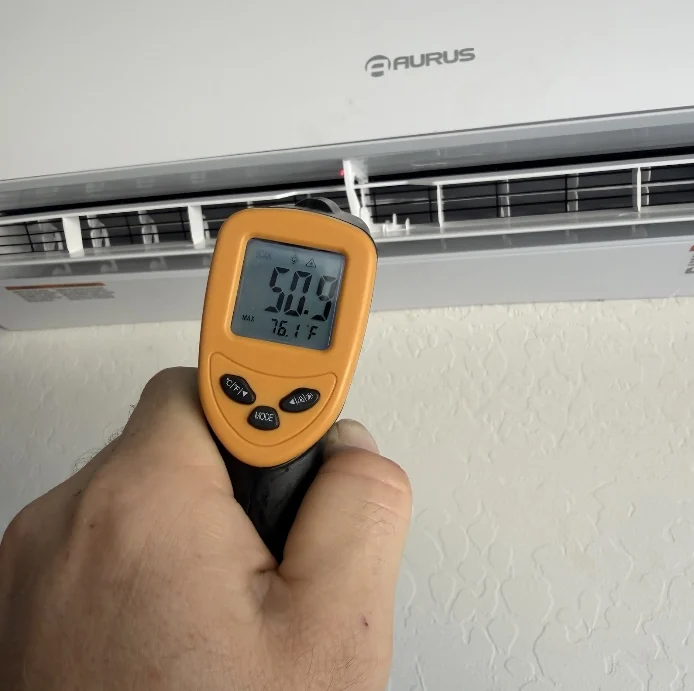
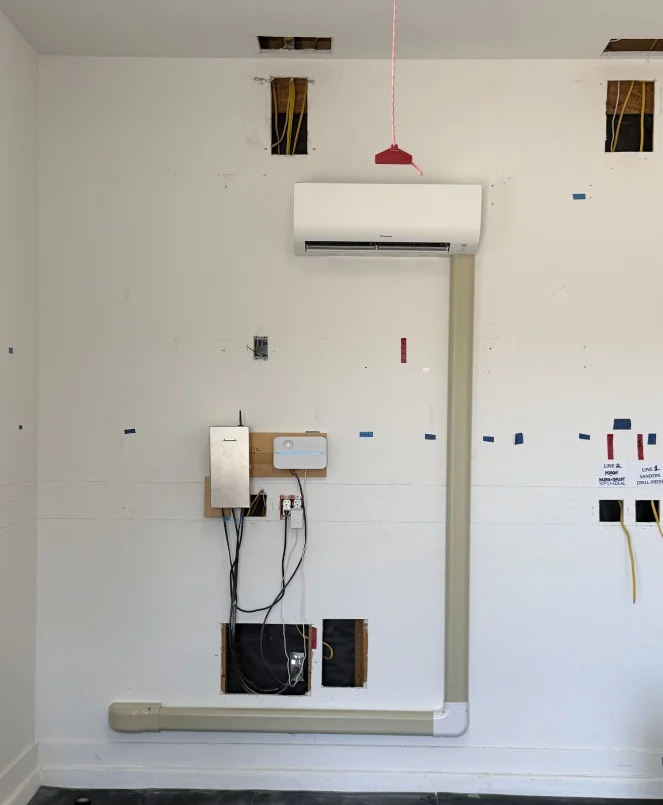
Typically mounted on a wall or in the ceiling. This unit pulls in warm air, cools or heats it, and circulates conditioned air back into the room.
CORE COMFORT HVAC · ARIZONA
Phoenix and its neighboring cities—Scottsdale, Mesa, Chandler, and Gilbert—are known for their scorching desert heat and periodic dust storms. Keep your mini-split running smoothly with these practical maintenance tips.
CORE COMFORT · ARIZONA
In such conditions, a reliable cooling system isn't just nice to have—it's essential. Many Arizonans opt for ductless mini-split systems because they're efficient, easy to install, and great for targeted temperature control. However, even the best mini-split will struggle if it's not properly maintained.
Below are practical, DIY-friendly tips to help you keep your mini-split system running smoothly. While there are times you'll need a professional HVAC technician, there's plenty you can do yourself to prevent major issues, lower energy costs, and extend the lifespan of your system.
COMFORT, EXPLAINED
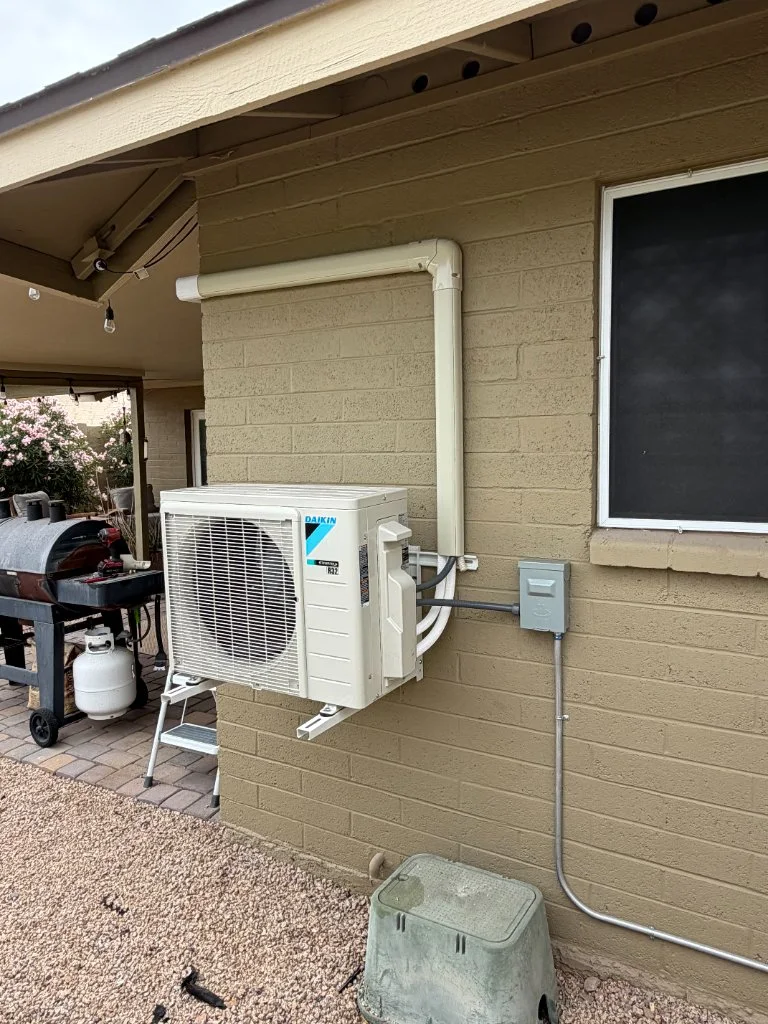
Before diving into maintenance, it helps to understand the basic components of your ductless system:
Typically mounted on a wall or in the ceiling. This unit pulls in warm air, cools or heats it, and circulates conditioned air back into the room.
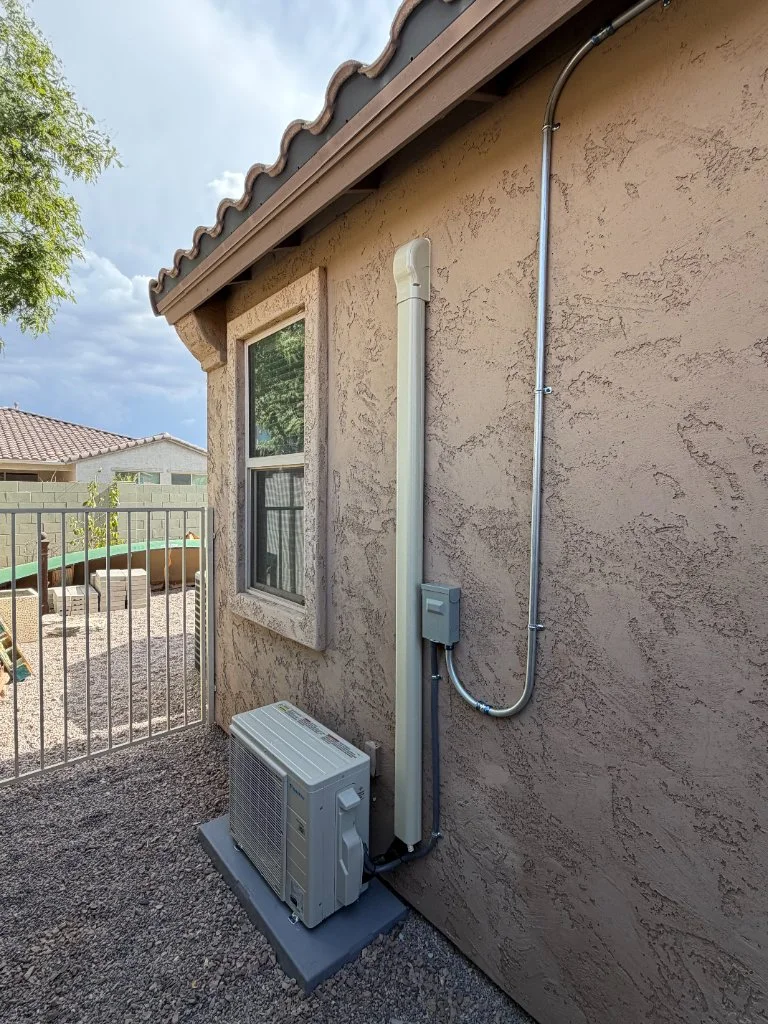
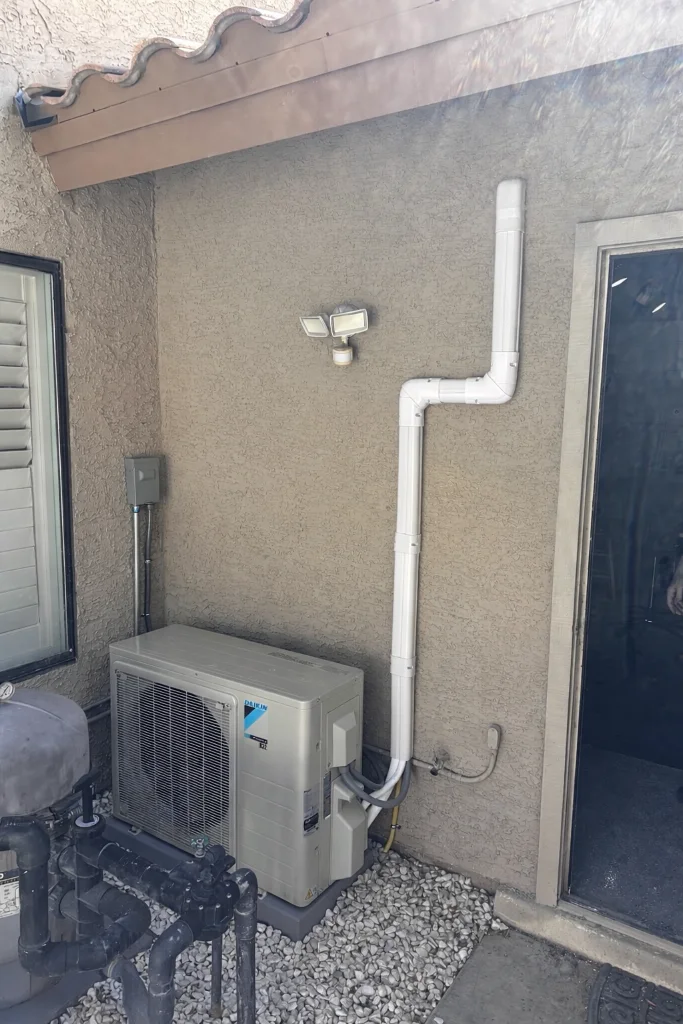
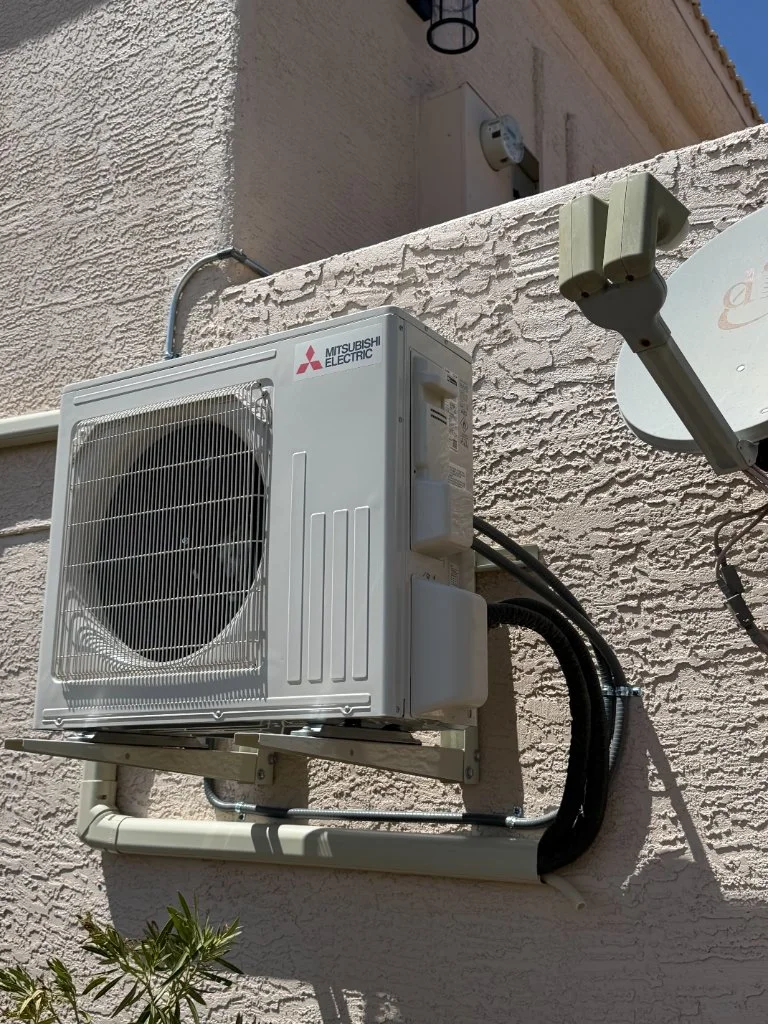
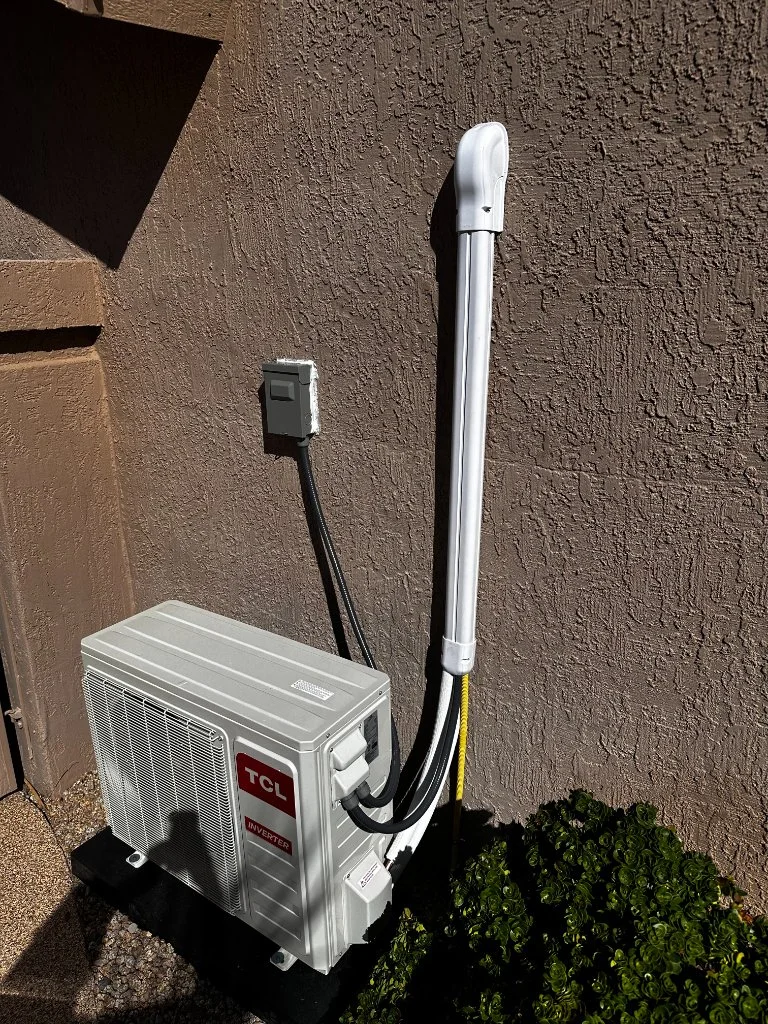
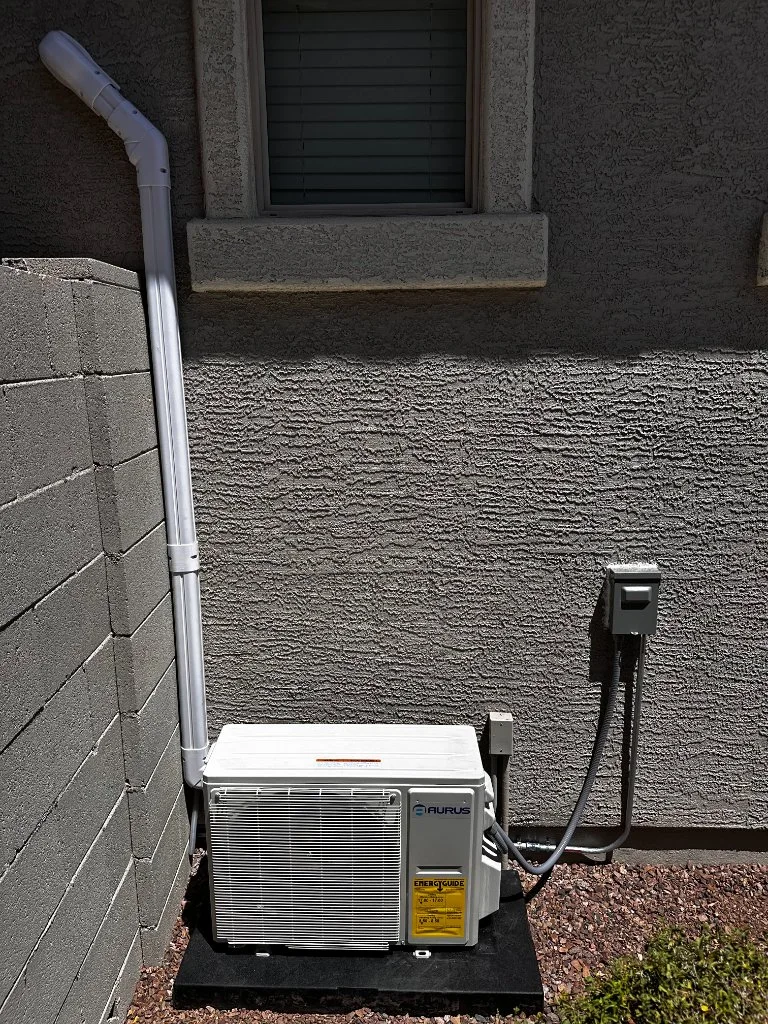
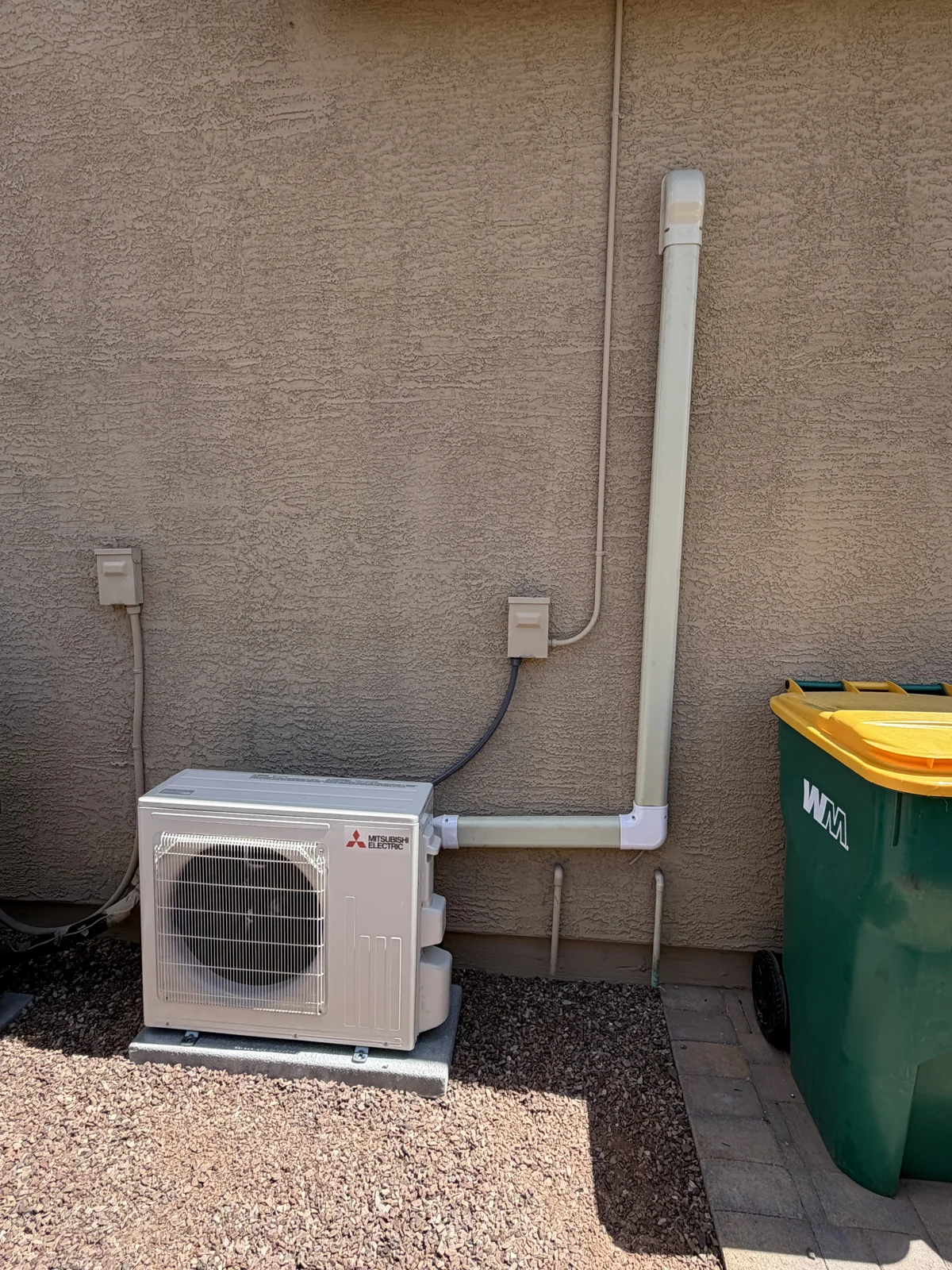
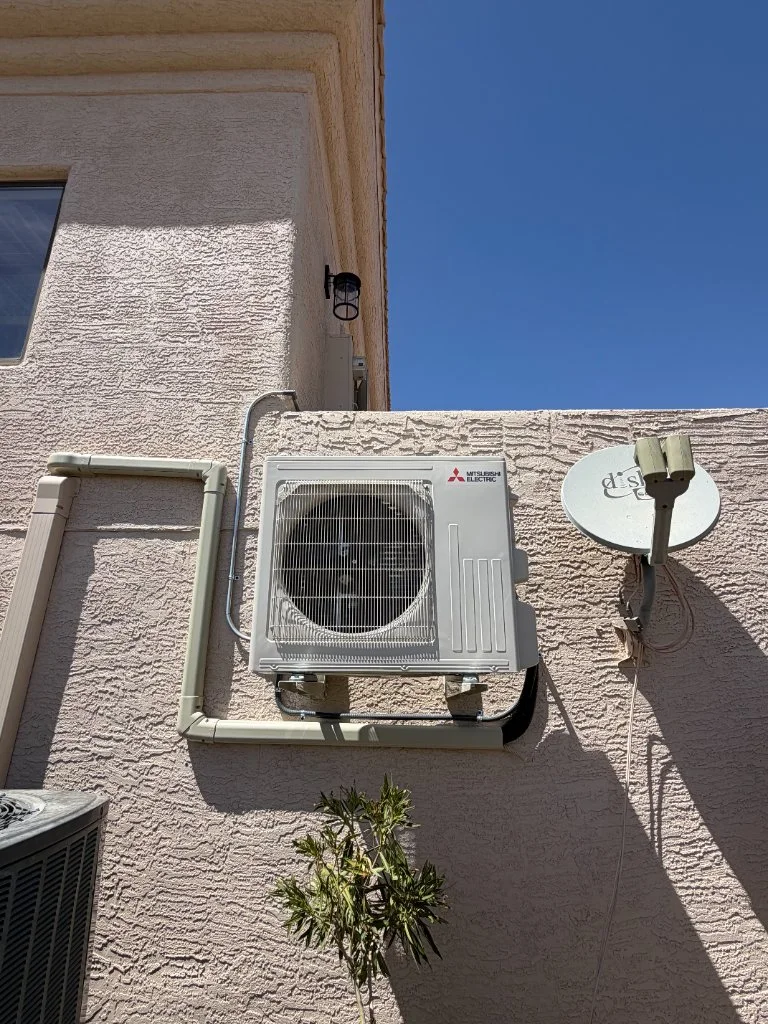
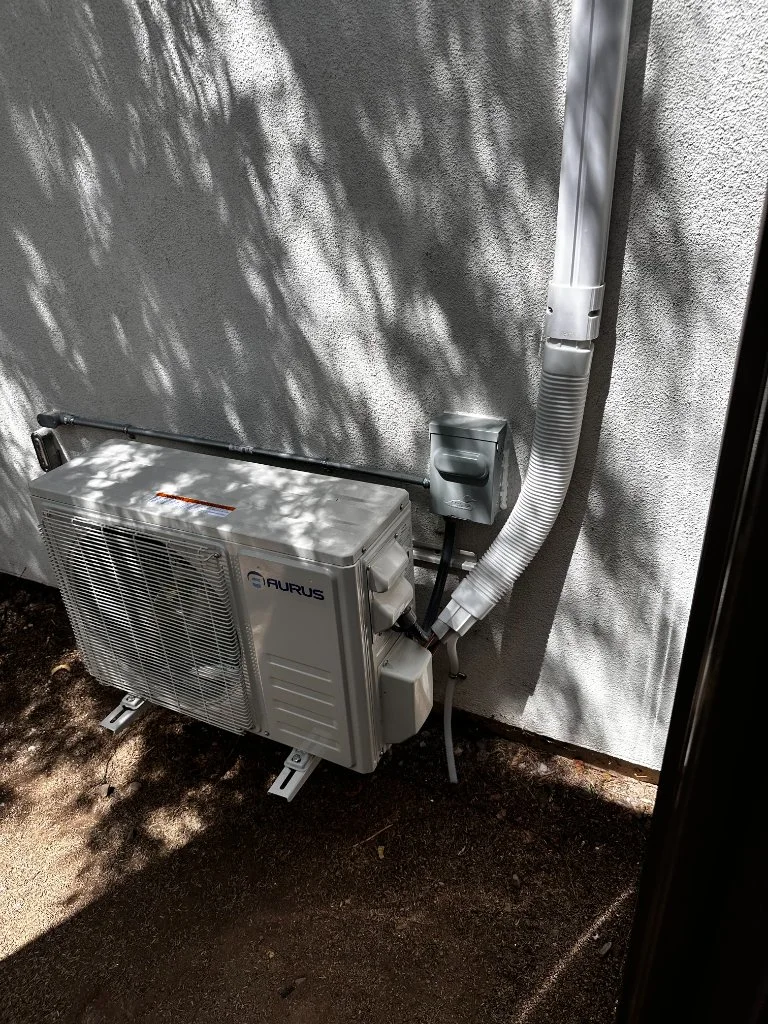
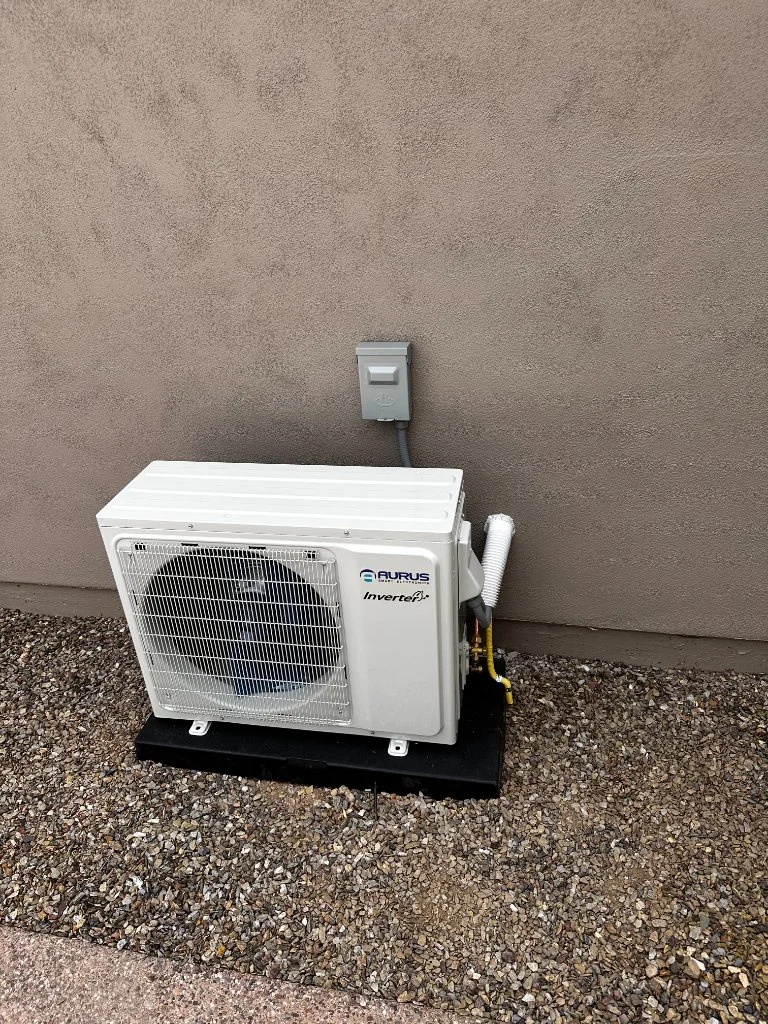
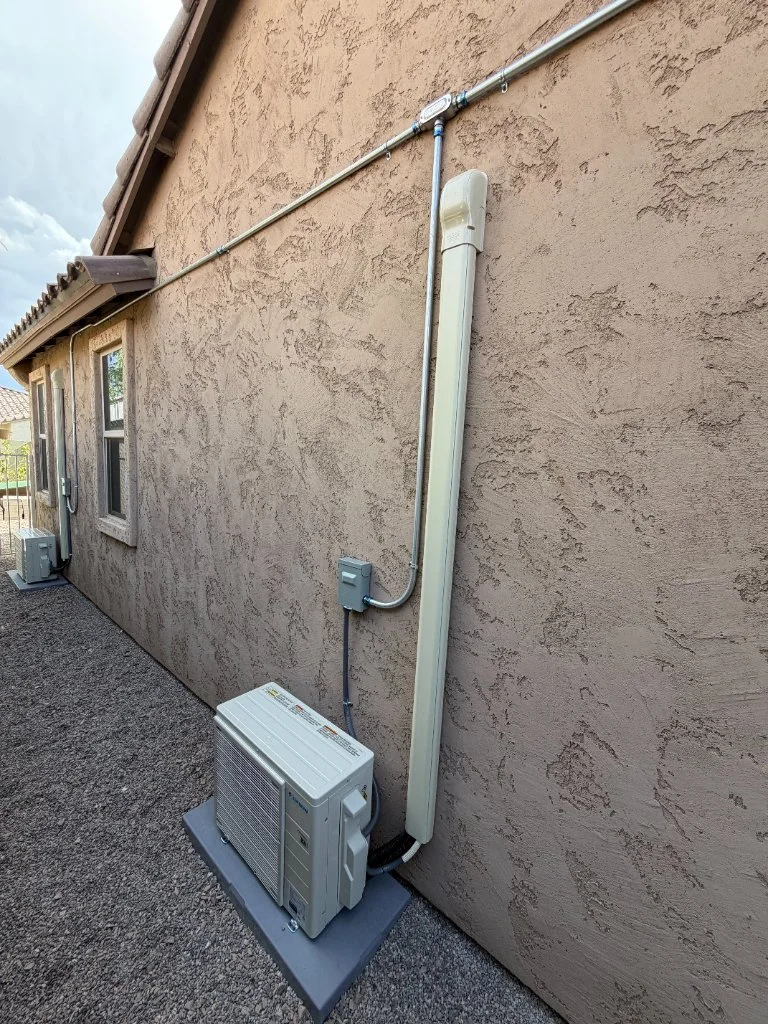
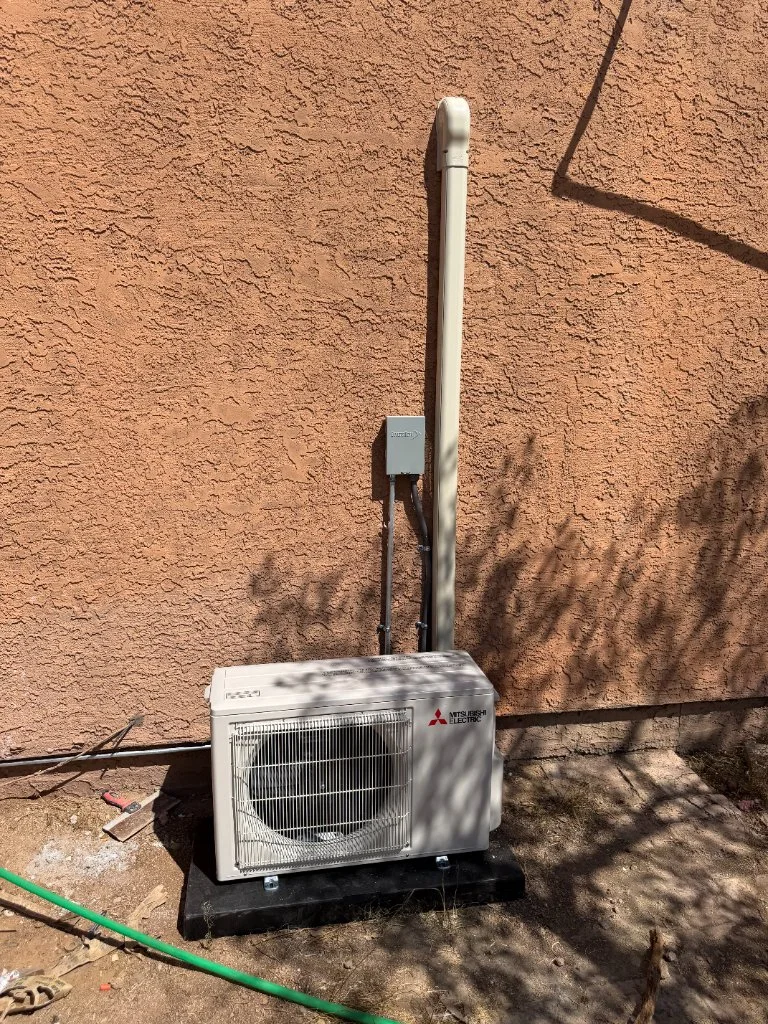
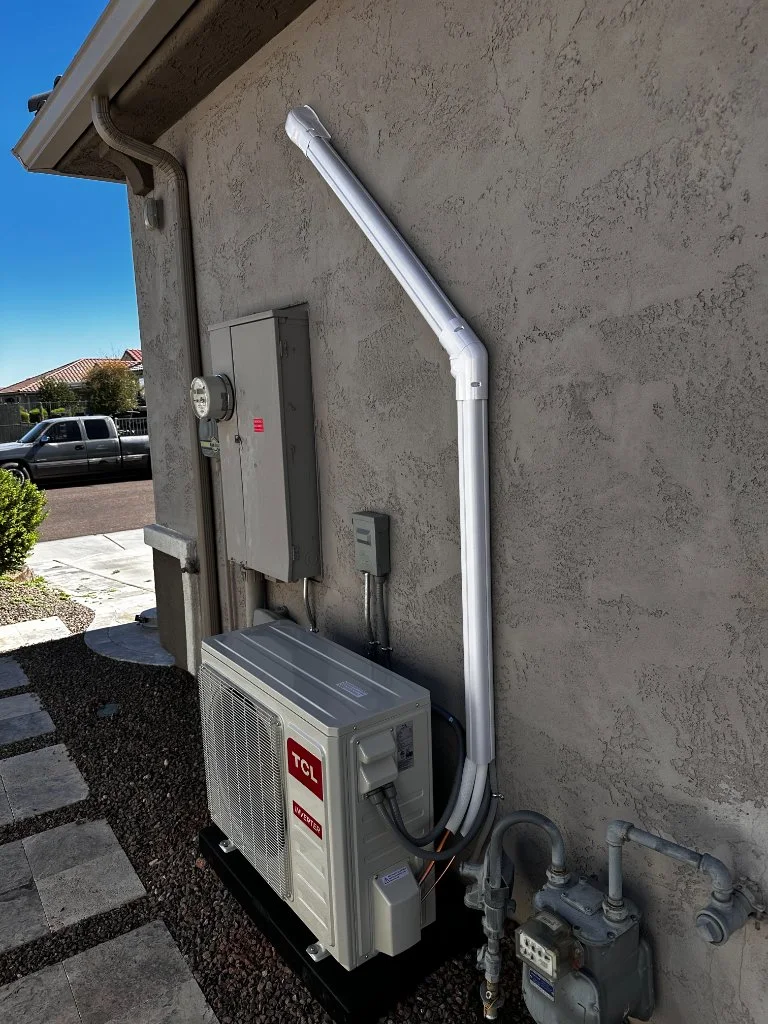
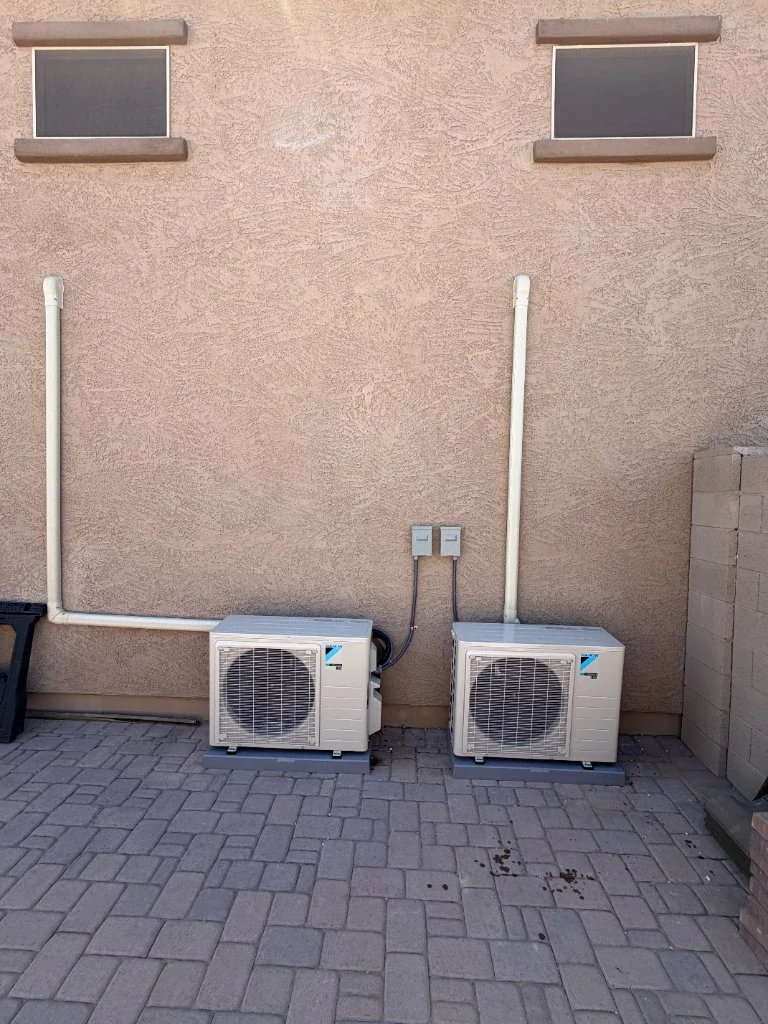
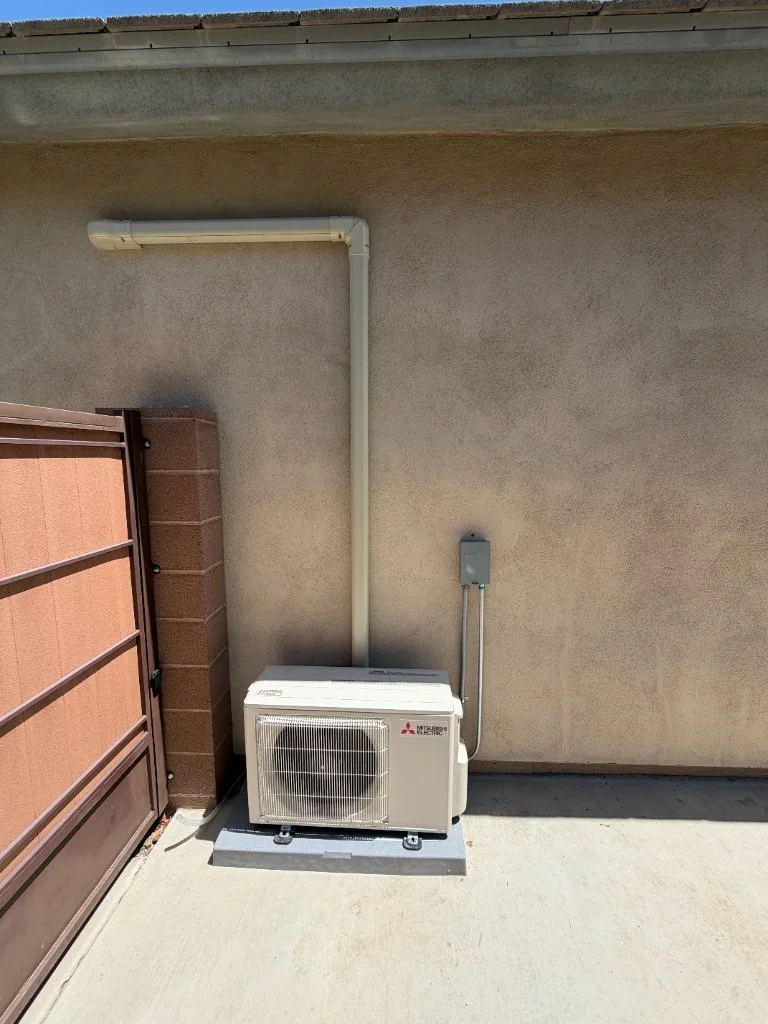
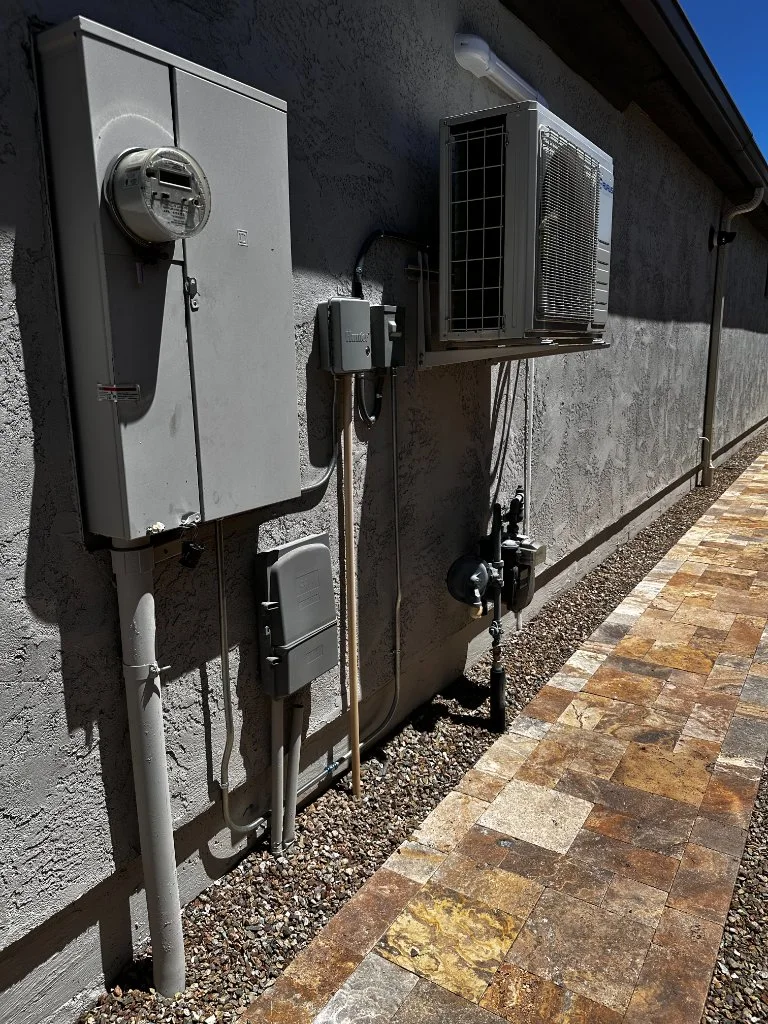
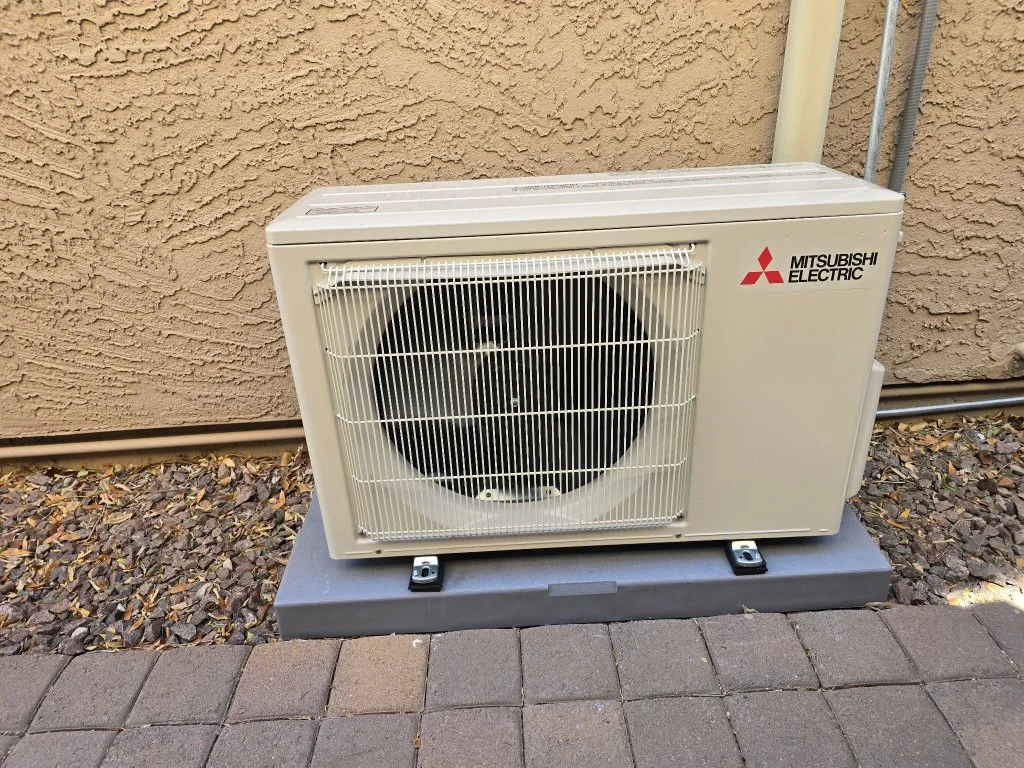
Contains the compressor, fan, and other key parts responsible for moving refrigerant between the indoor and outdoor units.
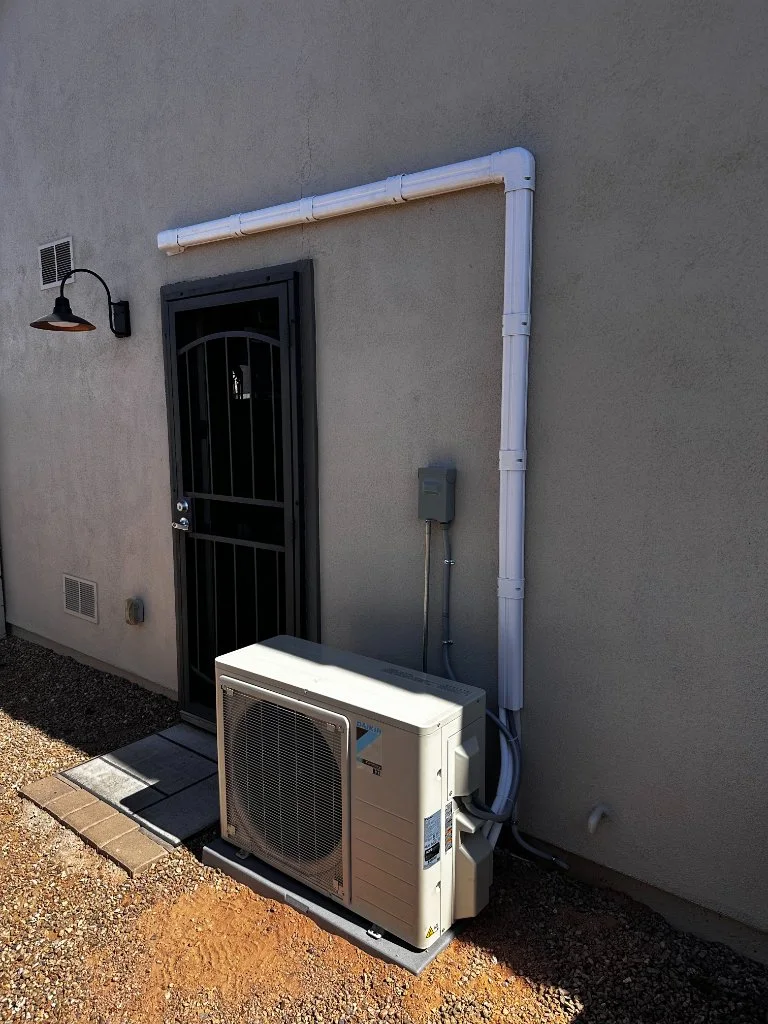
A conduit with refrigerant lines, electrical wiring, and a drain hose that links the indoor and outdoor components.
All three need attention when it comes to routine maintenance. In the Phoenix metro area, dust storms (haboobs), extreme heat, and monsoon rains can accelerate wear and tear on these components, making regular upkeep even more important.
Before you begin, assemble the following basic tools and supplies:
Soft Cloth or Microfiber Towel
Vacuum Cleaner with Brush Attachment
Mild Detergent or Coil Cleaner (designed for HVAC coils)
Soft-Bristled Brush
Garden Hose (if you need to rinse off the outdoor unit)
Philips or Flat-Head Screwdriver (for accessing certain panels)
Protective Gloves and Safety Goggles (if you'll be handling cleaning solutions)
Having these items on hand will allow you to perform most routine maintenance tasks quickly and safely.
COMFORT, EXPLAINED
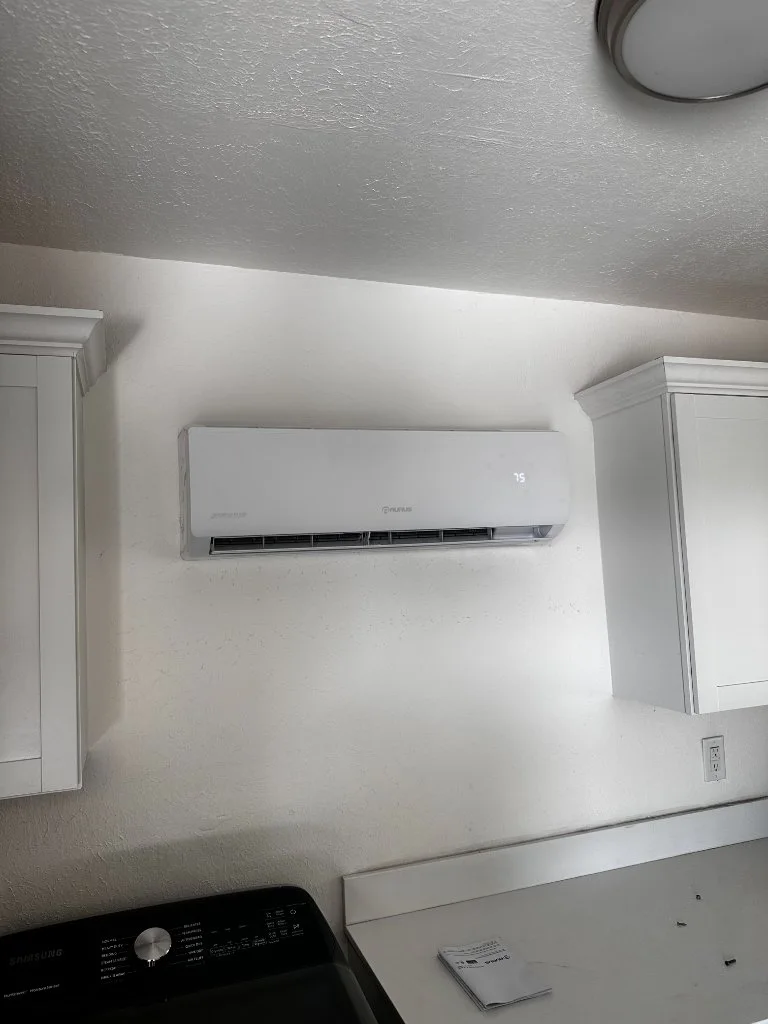
One of the most common and simplest DIY tasks is cleaning the air filters inside your mini-split's indoor air handler. Given Phoenix's dusty conditions, these filters can clog faster than in milder climates. Here's how to do it:
Switch off the air handler and disconnect power to avoid any accidents.
Most mini-split units have a front panel you can gently lift or pop open.
Carefully slide out the air filters. In many models, they're flat mesh panels located right beneath the front panel.
Look for tears or holes. If the filter is damaged, consider replacing it with a new filter recommended by the manufacturer.
If the filter is only lightly soiled, use a vacuum with a brush attachment. For heavier dust or grime, rinse under lukewarm water.
If you rinsed the filters, let them air-dry completely before reinserting them.
Place the clean (or new) filter back into the air handler and close the front panel.
Frequency:
In the Phoenix metro area, especially if you experience dust storms, aim to check and clean the filters every 2–4 weeks or more often if you notice a significant build-up.
COMFORT, EXPLAINED
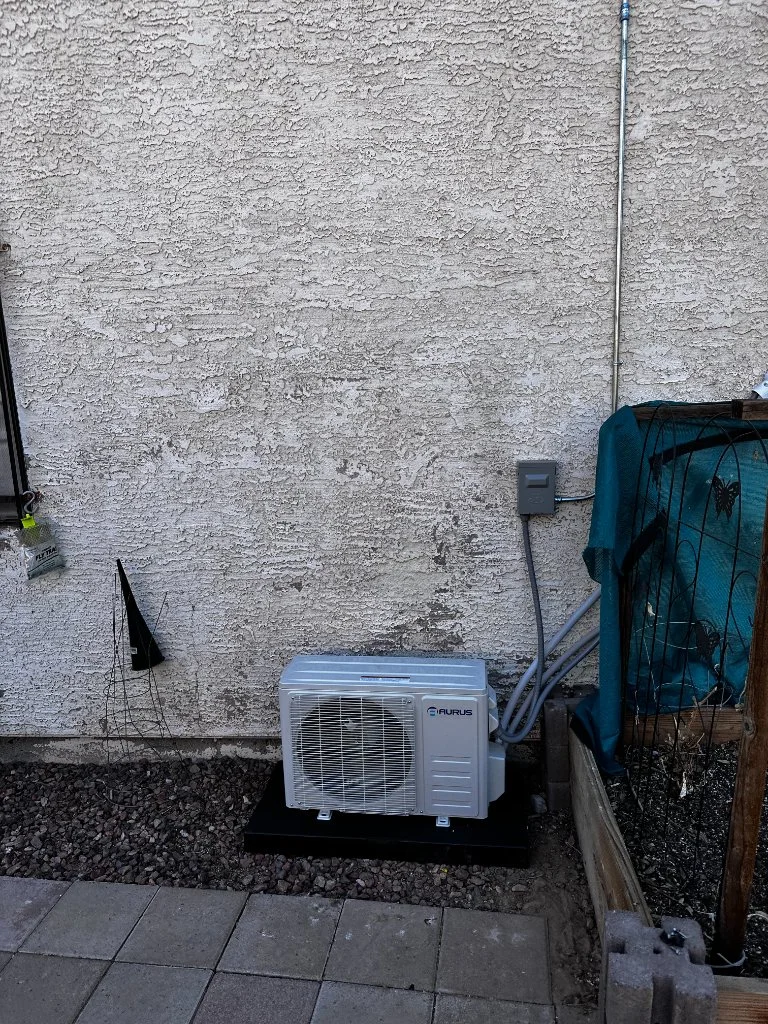
Next, head outdoors to maintain the condenser unit, which works tirelessly to exchange heat. In Arizona's climate, dust, debris, and even landscaping elements can clog or damage the condenser coils.
Safety first! Turn off the system at the circuit breaker or the external disconnect switch.
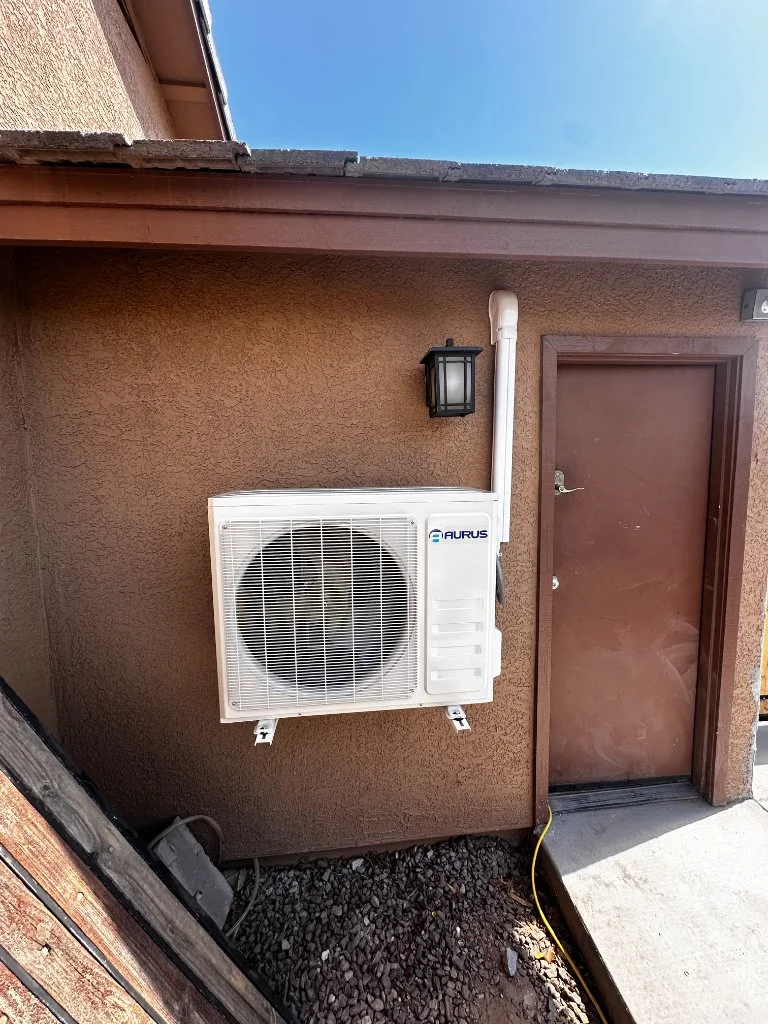
Remove leaves, dirt, and any other debris. Keep at least 2–3 feet of clear space around the unit to allow for proper airflow.
The fins on the side of the condenser are delicate, so use a soft-bristled brush to dislodge dust.
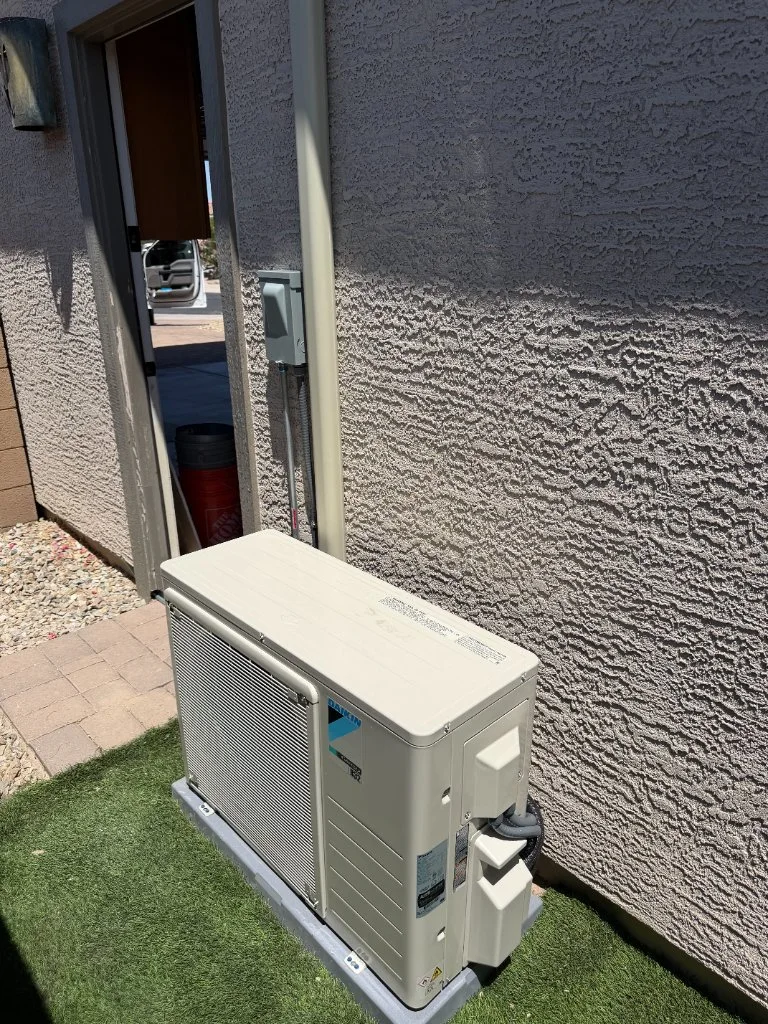
In cases of heavy dirt or dust buildup, turn off power and use a garden hose with a gentle spray to wash away the grime.
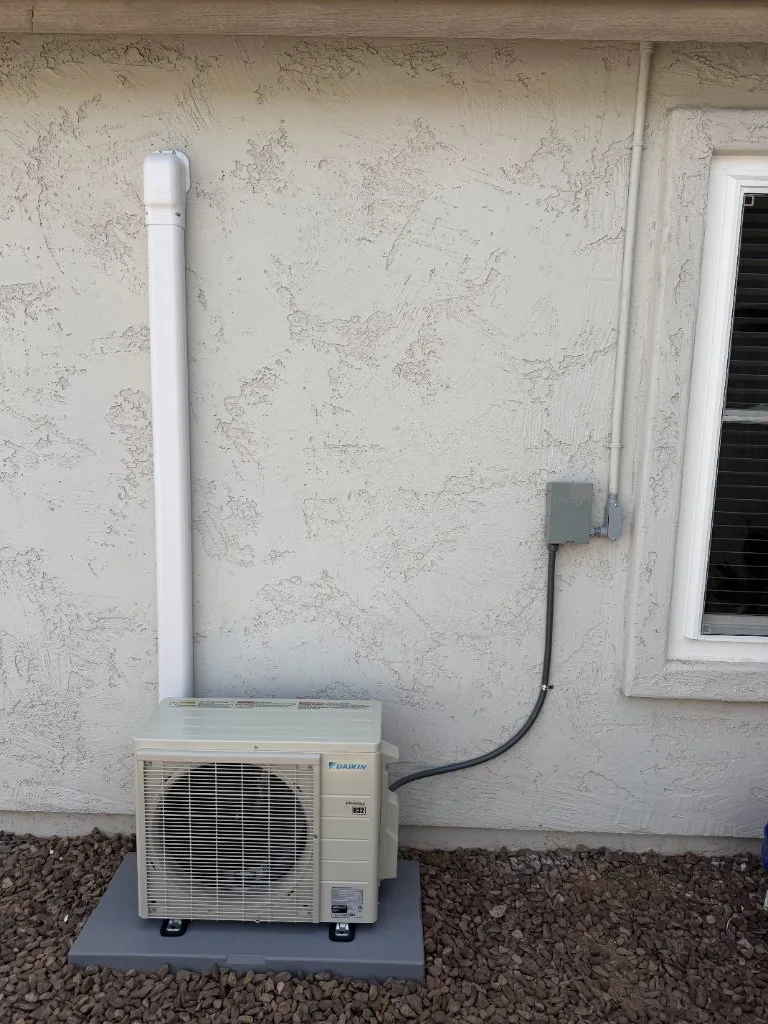
Wait for all components to dry thoroughly before turning the power back on.
Frequency: Aim to inspect the outdoor unit monthly—especially after haboobs or strong winds—and do a deeper clean at least once or twice a year.
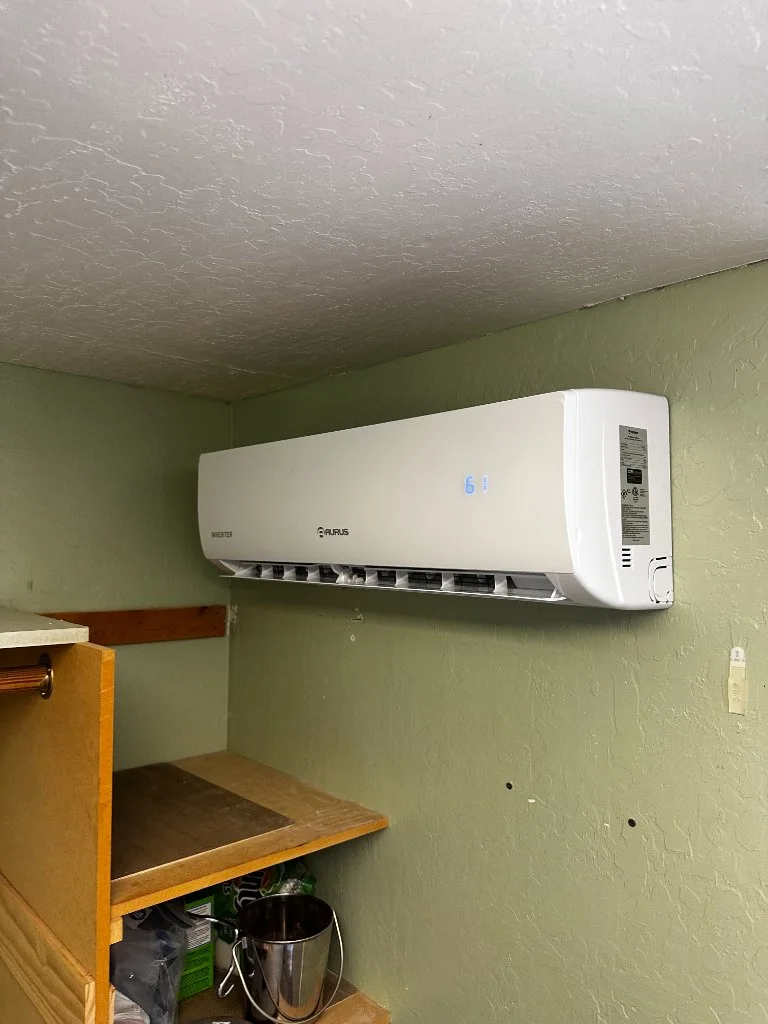
Inside the air handler is an evaporator coil that can accumulate dust and debris over time, diminishing efficiency. While accessing this coil might be more involved, it's still doable for a careful DIYer:
Turn Off Power: Ensure the unit is fully disconnected to avoid electric shock.
Open the Panel: Consult your unit's manual for instructions on safely removing any additional panels to expose the evaporator coil.
Use a Coil Cleaner: Apply a foaming coil cleaner (specifically designed for evaporator coils) or a mild detergent solution.
Gently Brush Away Dirt: With a soft-bristled brush or microfiber cloth, gently wipe away loosened debris.
Drying: Some cleaners are self-rinsing, meaning the condensate drain will carry away the residue.
If you're unsure about disassembling parts of the air handler, consider consulting a professional. Mishandling the coil or bending the fins can hamper the unit's cooling capabilities.
COMFORT, EXPLAINED
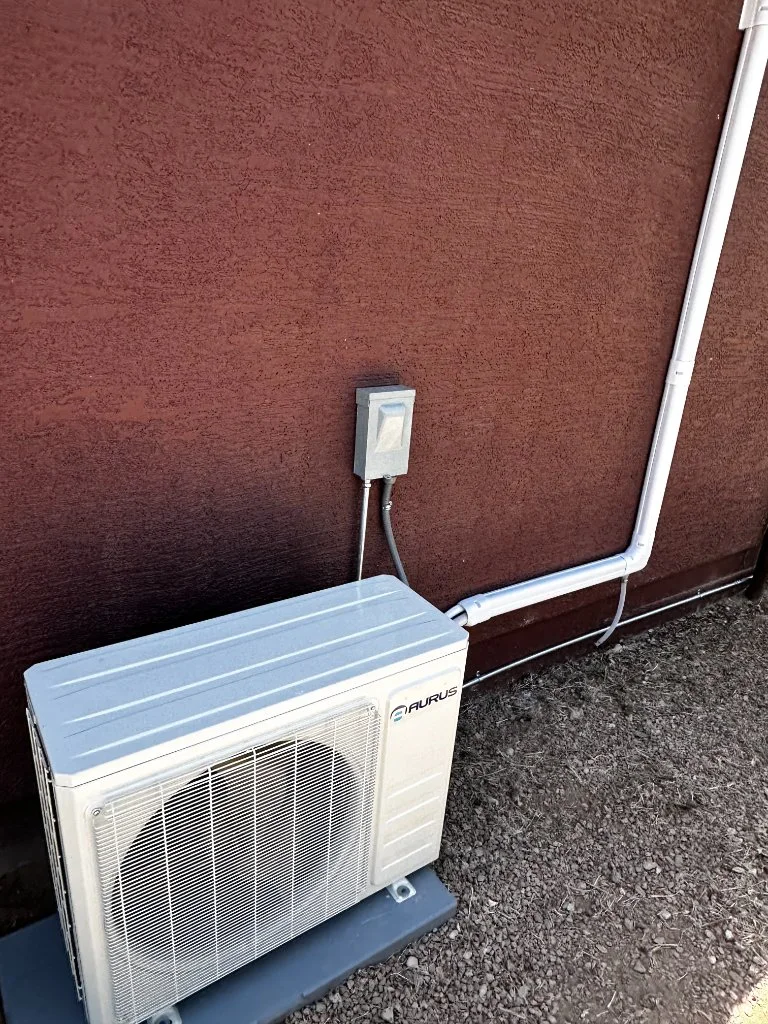
In Phoenix's hot climate, your mini-split's condensate drain works overtime removing excess moisture. If the drain becomes clogged, water can back up and leak inside.
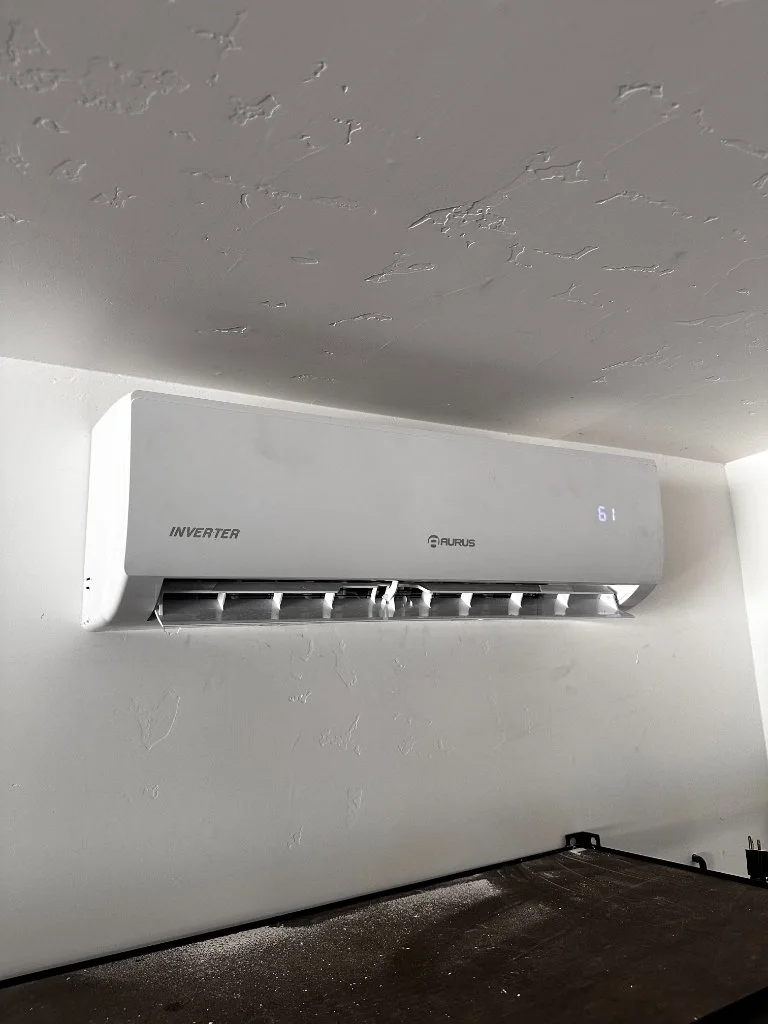
Typically, a small PVC or rubber pipe that exits the indoor unit and leads outdoors or to a drain.
Look for visible blockages—often algae, mold, or mineral buildup.
A 50-50 mix of warm water and vinegar works well. Carefully pour it down the drain line to dissolve clogs.
Run the mini-split briefly to ensure water flows freely. If water still doesn't drain properly, you might need a professional.
COMFORT, EXPLAINED
In the Phoenix metro area, the cooling season is lengthy, with a brief cooler winter. Here's a basic timeline:
COMFORT, EXPLAINED
While many mini-split maintenance tasks are DIY-friendly, some circumstances call for expert help:
Low refrigerant levels or leaks require a licensed technician.
Exposed wiring or frequently tripped breakers may indicate bigger electrical concerns.
If you can't resolve a drainage problem with basic cleaning, you may have a damaged line or pump.
Loud grinding, banging, or foul smells can be symptoms of mechanical or microbial problems.
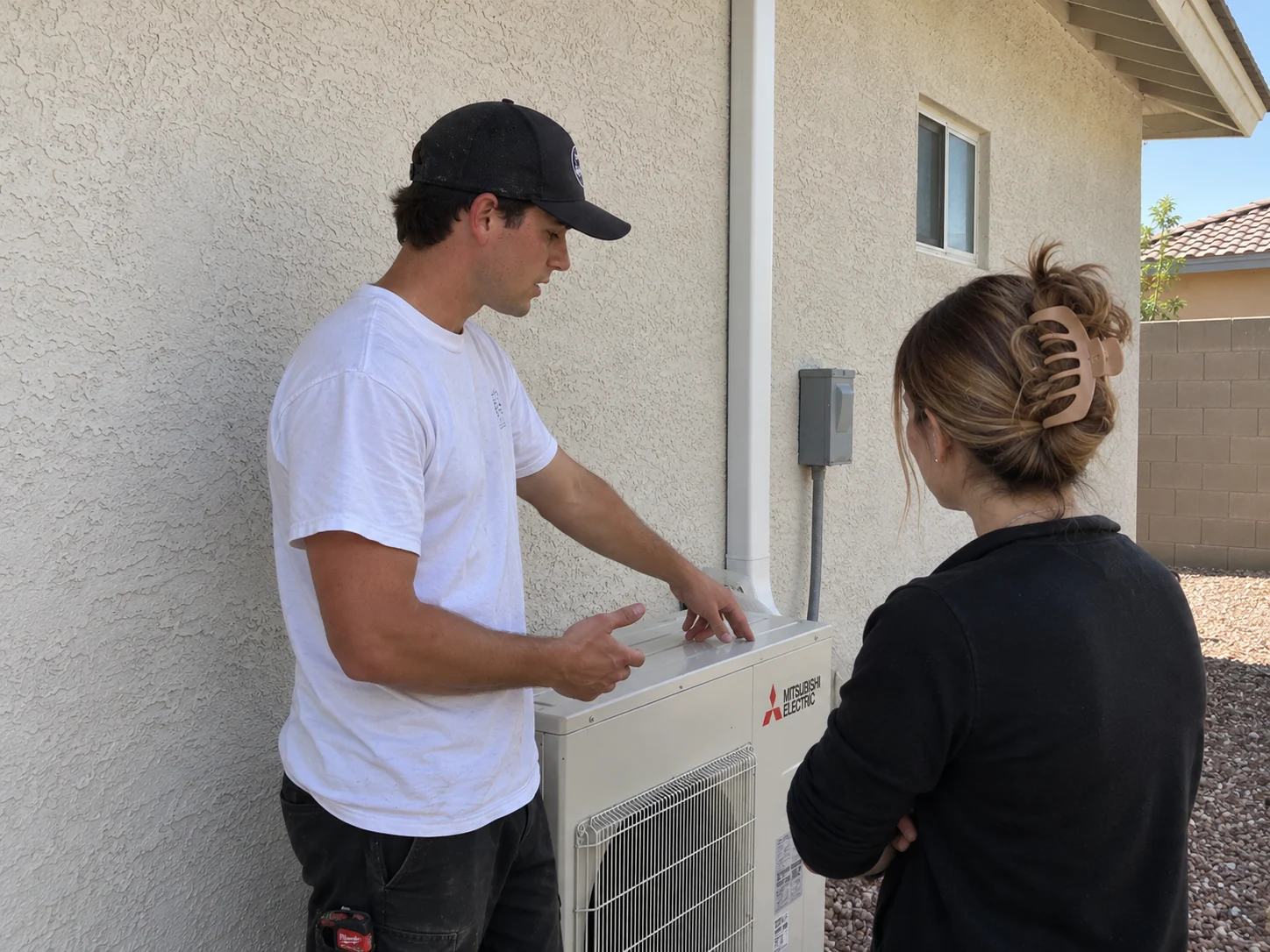
A qualified HVAC technician in the Phoenix area can also perform a full system tune-up, checking everything from compressor function to the accuracy of your thermostat or remote settings.
Core Comfort HVAC provides expert mini-split maintenance, repair, and installation throughout the Phoenix metro area.
Tell us what your home needs. Our team will follow up to discuss your options and the next step toward a site-specific quote.
Prefer to talk? Call (602) 960-2278.