
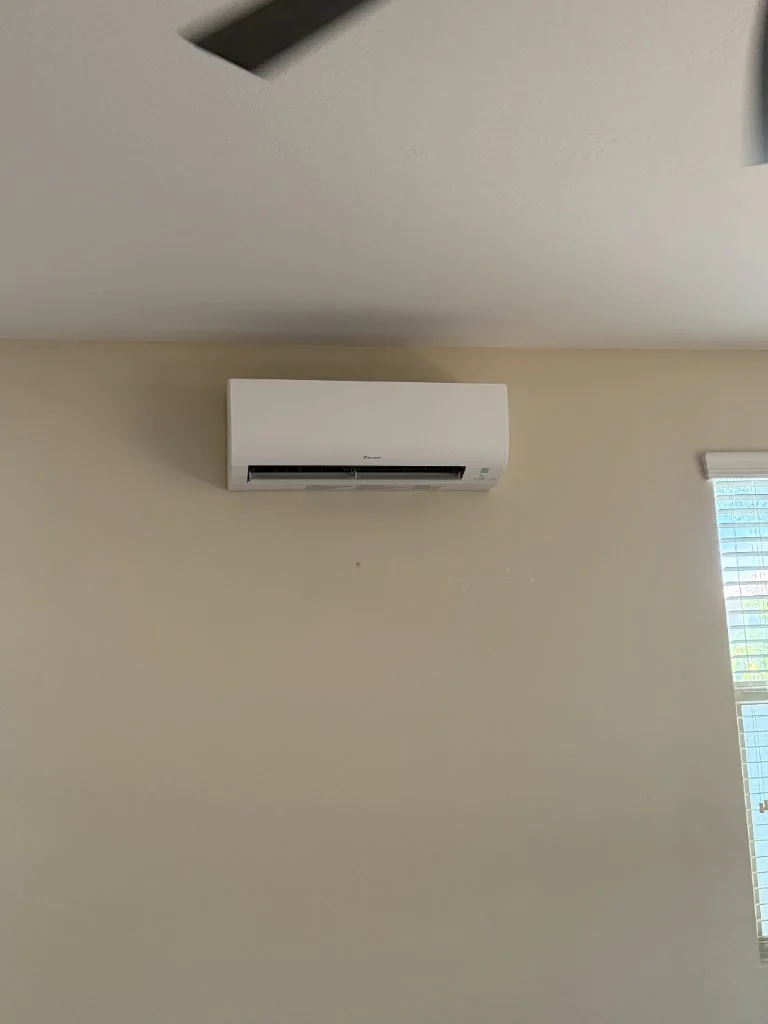
How to Calculate BTU Requirements for Desert Climate Homes
To calculate the BTU requirements for your home, consider the following factors:
CORE COMFORT HVAC · ARIZONA
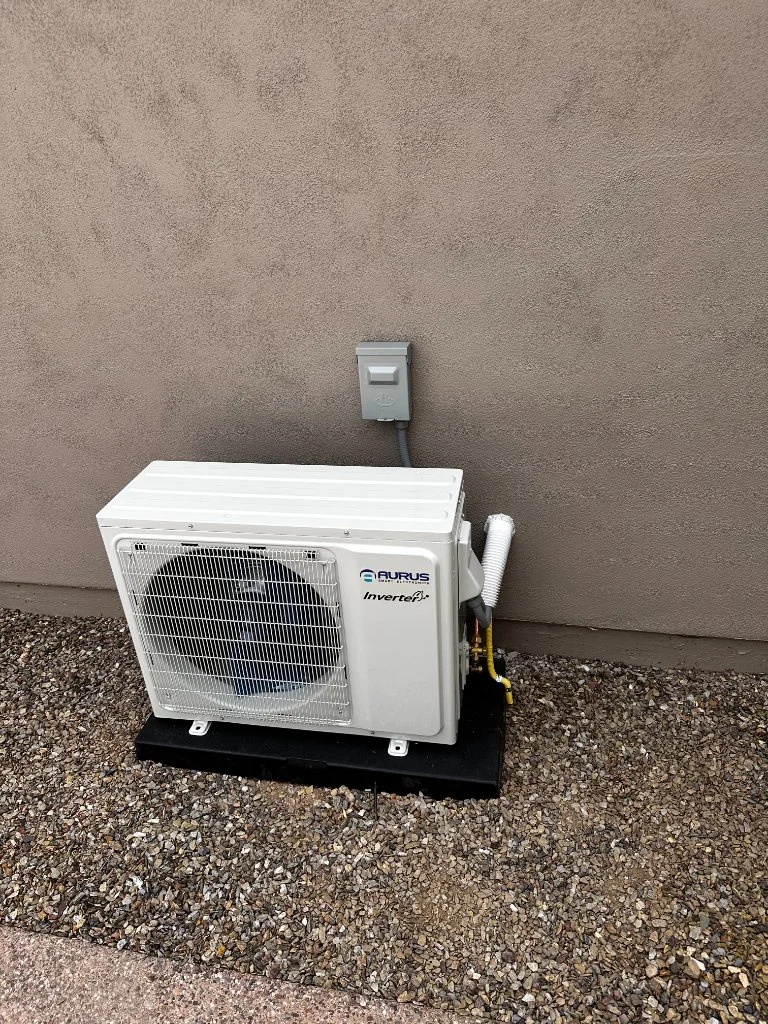
CORE COMFORT · ARIZONA
Selecting the right mini-split system for your Phoenix home is crucial for ensuring comfort and energy efficiency in the desert climate. This guide will help you understand the key factors to consider when choosing a mini-split system, including sizing, brand performance, installation processes, and energy efficiency strategies.
Many homeowners struggle with high energy bills and inadequate cooling solutions, especially during the scorching summer months. By understanding how to choose the best mini-split system, you can make an informed decision that enhances your home's comfort while reducing energy costs.
COMFORT, EXPLAINED
Choosing the correct size for your mini-split system is essential for optimal performance and energy efficiency. The size is typically measured in British Thermal Units (BTUs), which indicates the cooling capacity of the system. An undersized unit will struggle to cool your home, leading to increased energy consumption and wear, while an oversized unit can lead to short cycling, reducing efficiency and comfort.
To calculate the BTU requirements for your home, consider the following factors:
Measure the total area of the space you want to cool. A general rule of thumb is that you need about 20-25 BTUs per square foot in hot desert climates like Phoenix.
If your ceilings are higher than the standard 8 feet, you may need to increase your BTU calculation.
Well-insulated homes retain cool air better, potentially reducing the required BTUs.
Homes with large windows or those facing the sun may require additional cooling capacity.
Example: A 1,000 square foot home in Phoenix may require approximately 20,000 to 25,000 BTUs, but adjustments should be made based on the factors mentioned above.
Local conditions in Phoenix significantly impact mini-split sizing. The extreme heat and low humidity levels can increase the cooling load on your system. Additionally, factors such as:
Homes with large windows or poor shading may require larger systems to compensate for heat gain.
While Phoenix is generally dry, occasional monsoon season humidity spikes can affect cooling needs.
The type of materials used in your home can influence insulation and heat retention.
Understanding these local conditions will help you select a mini-split system that meets your specific needs. Core Comfort HVAC specializes in mini-split system installations, ensuring that your system is properly sized and installed for optimal performance in the Phoenix climate.
COMFORT, EXPLAINED
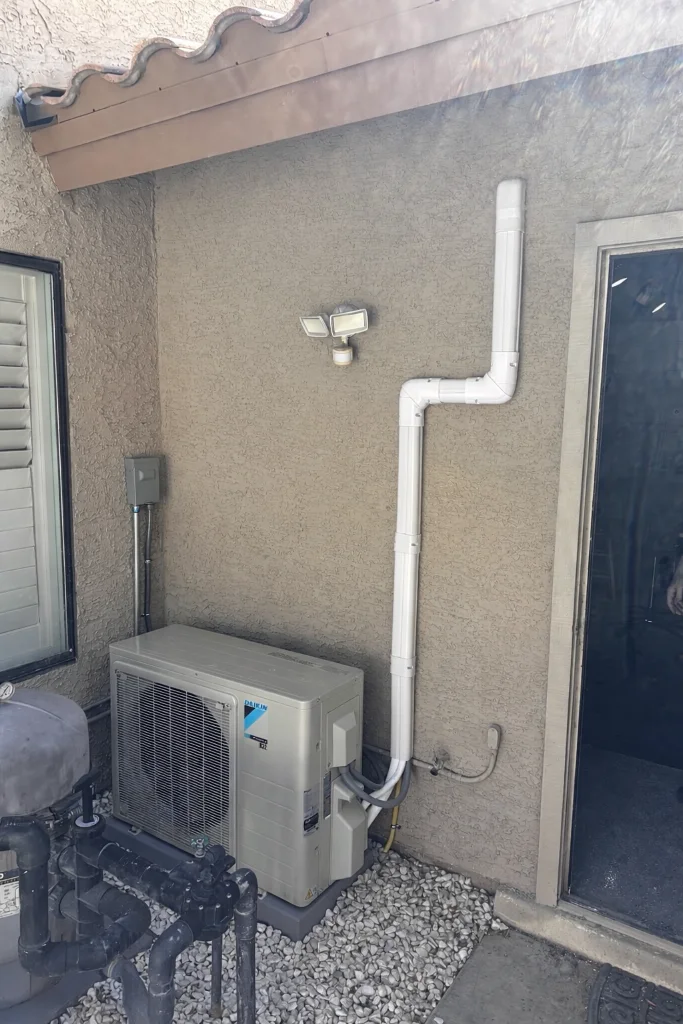
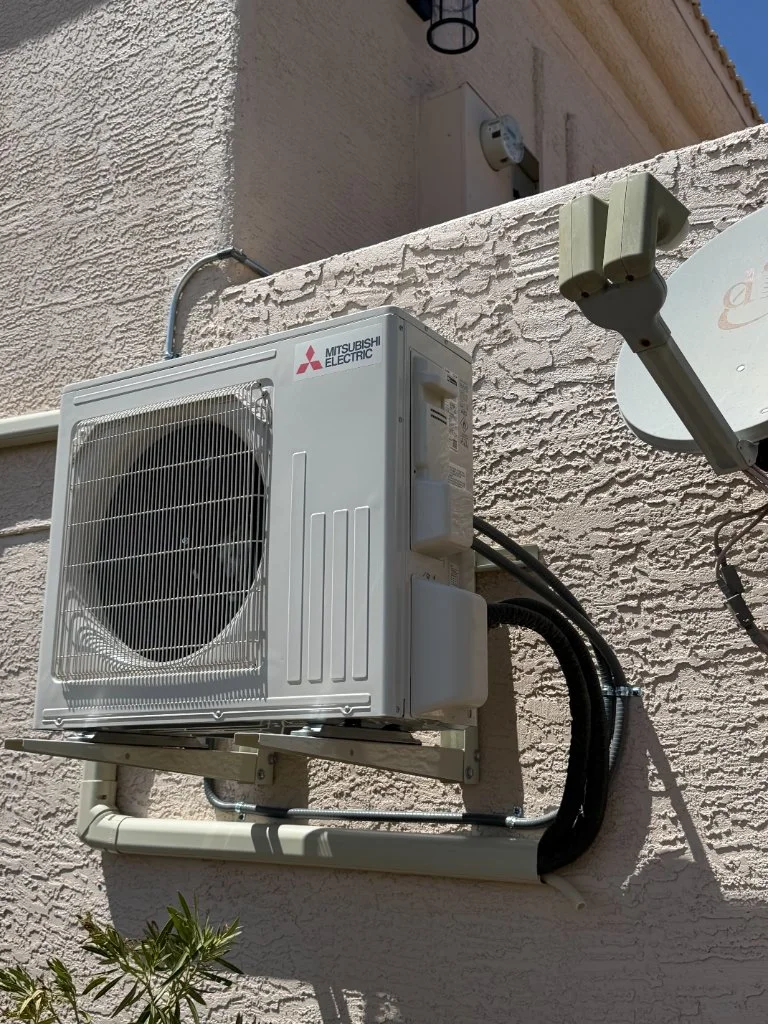
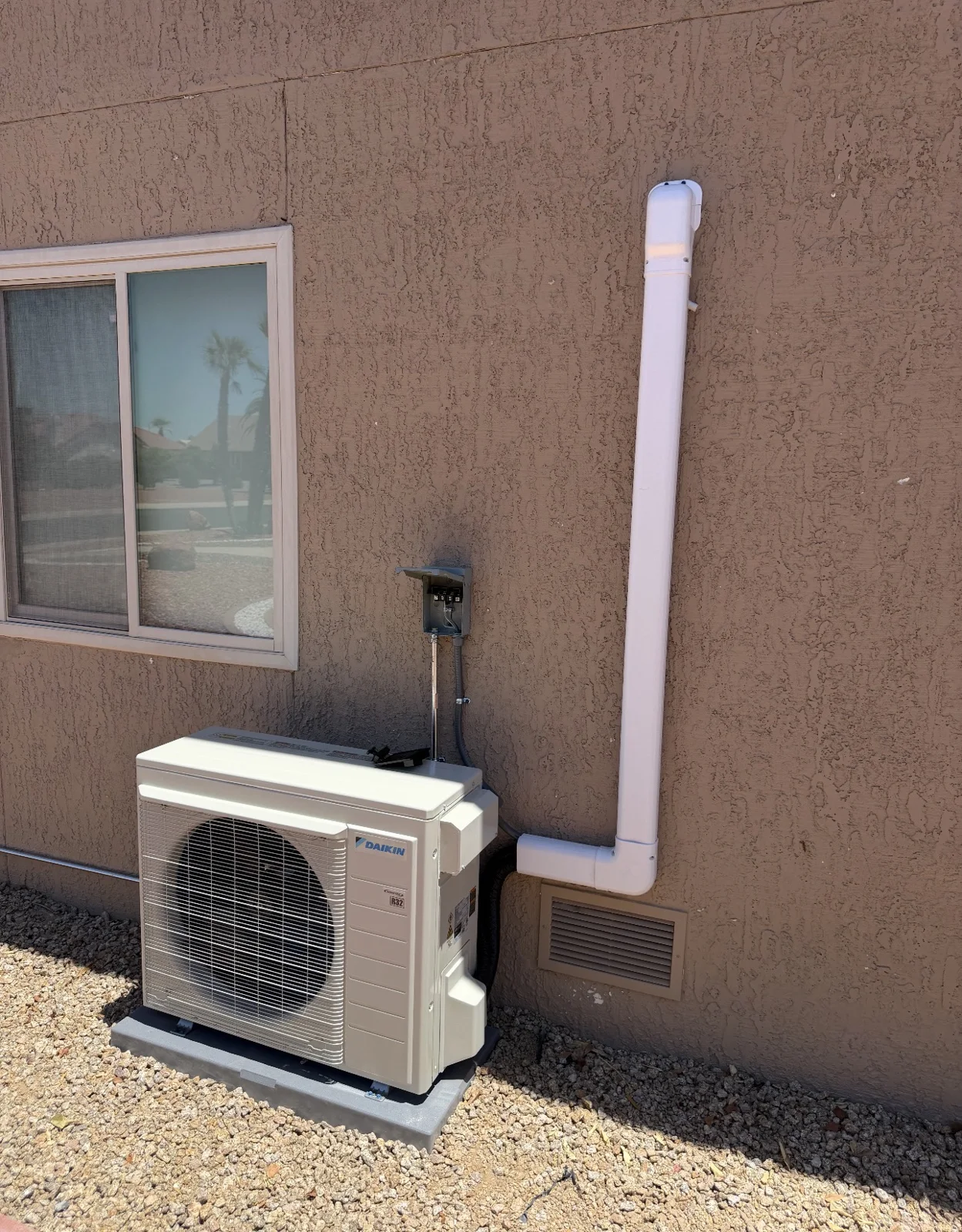
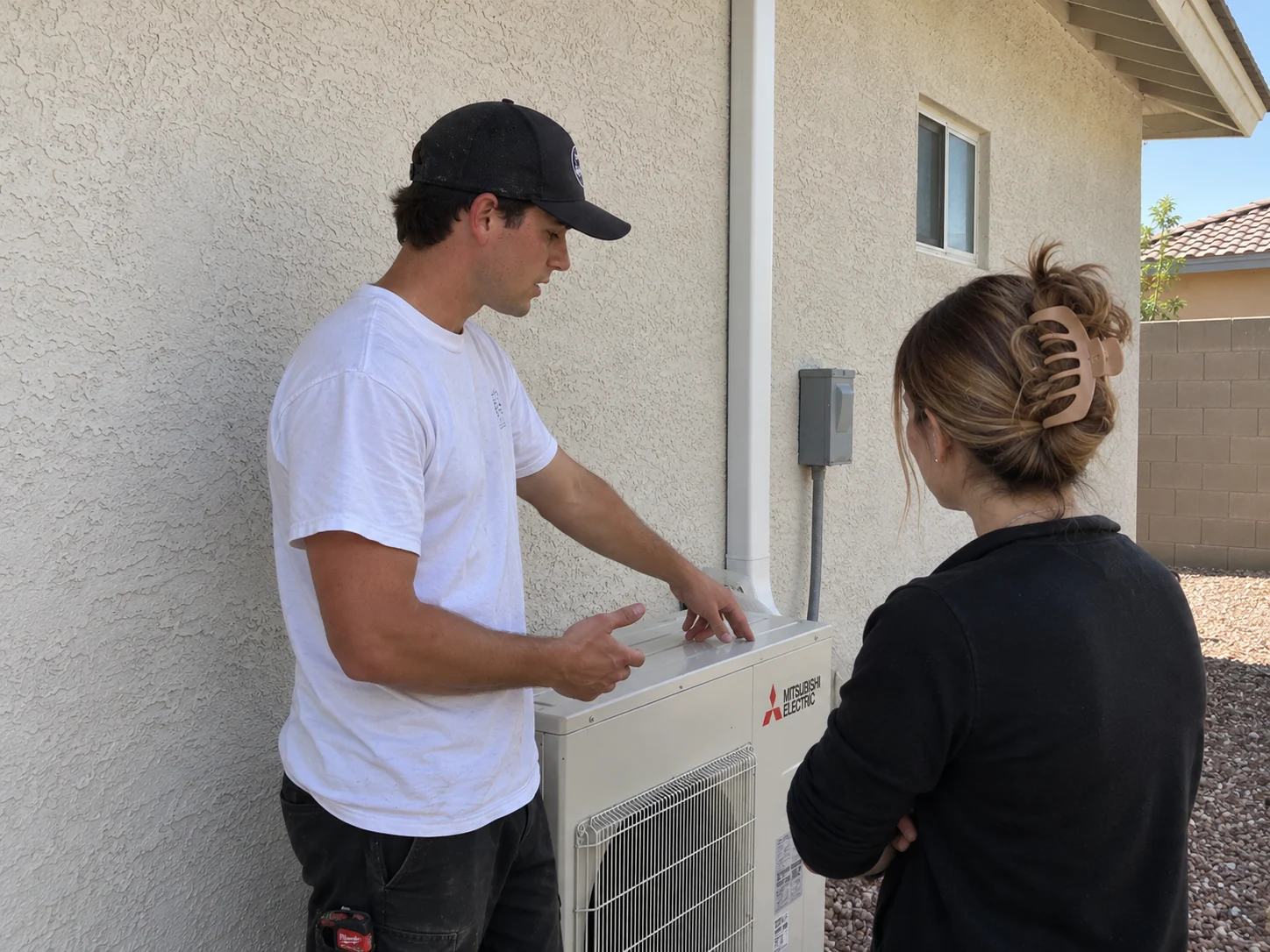
When selecting a mini-split system, the brand can significantly influence performance, reliability, and customer satisfaction. Some of the top brands known for their performance in Arizona include Mitsubishi Electric, Daikin, and LG.
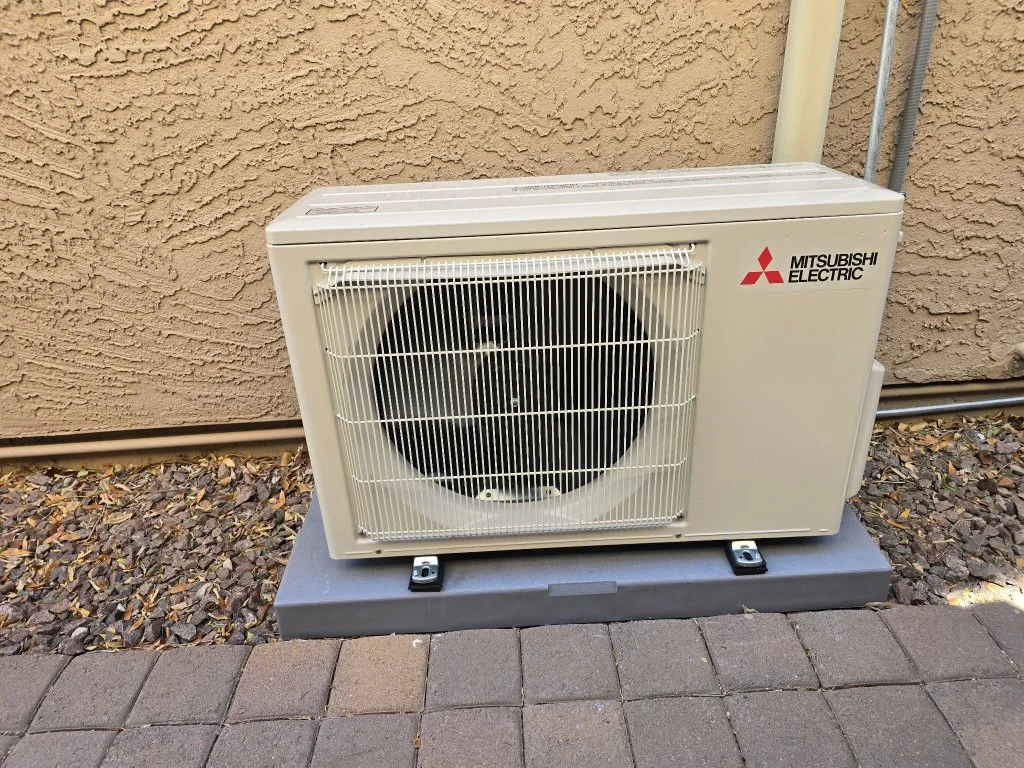
Mitsubishi Electric and Daikin are two leading brands in the mini-split market, both offering high-quality systems designed to withstand the heat of Phoenix. Key comparisons include:
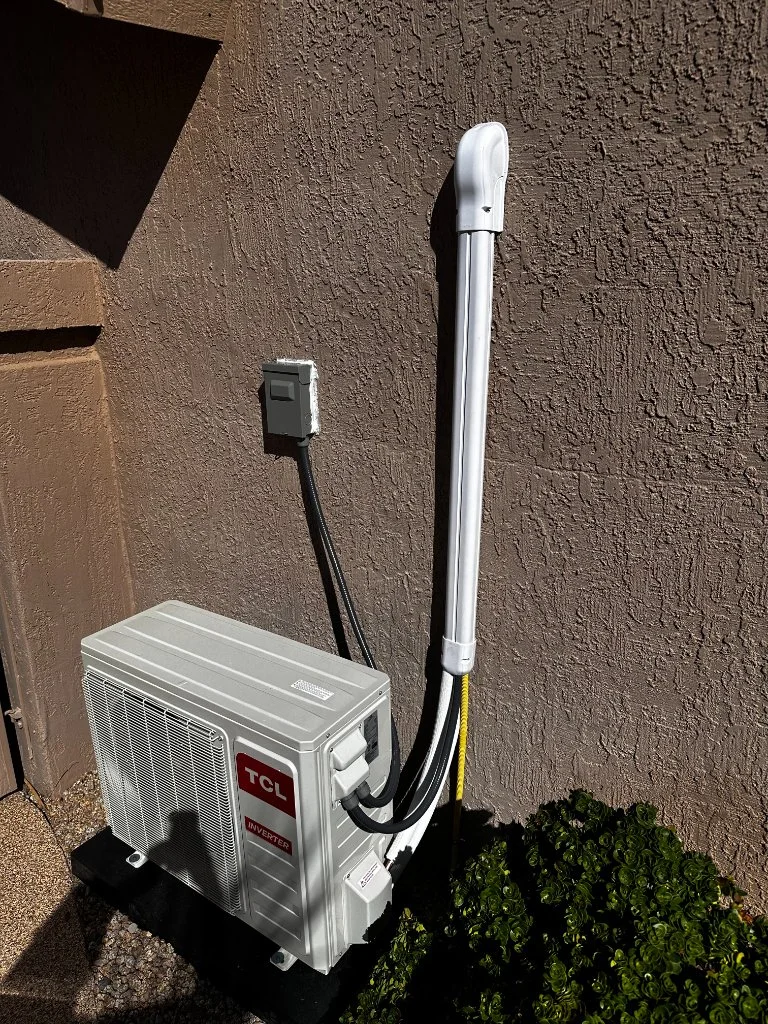
Both brands are known for their efficiency and ability to perform well in extreme temperatures, with Mitsubishi Electric often receiving slightly higher marks for its cooling performance in very hot conditions.
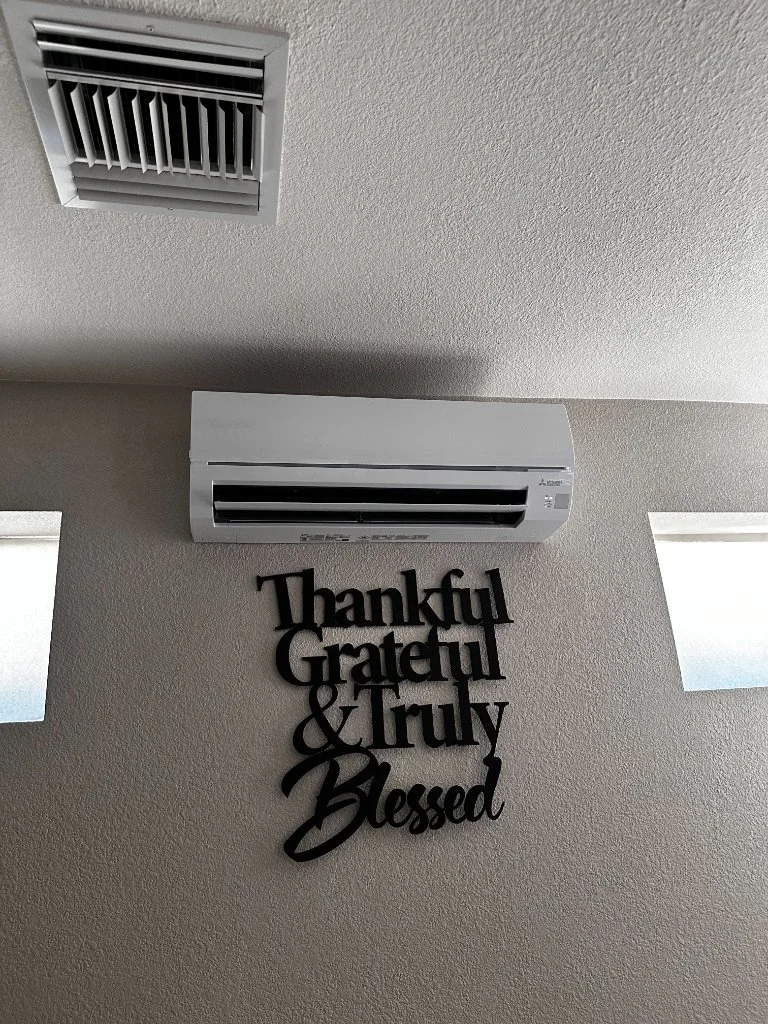
Both brands offer models with high SEER ratings, which indicate better energy efficiency. Mitsubishi Electric typically leads slightly in this category.
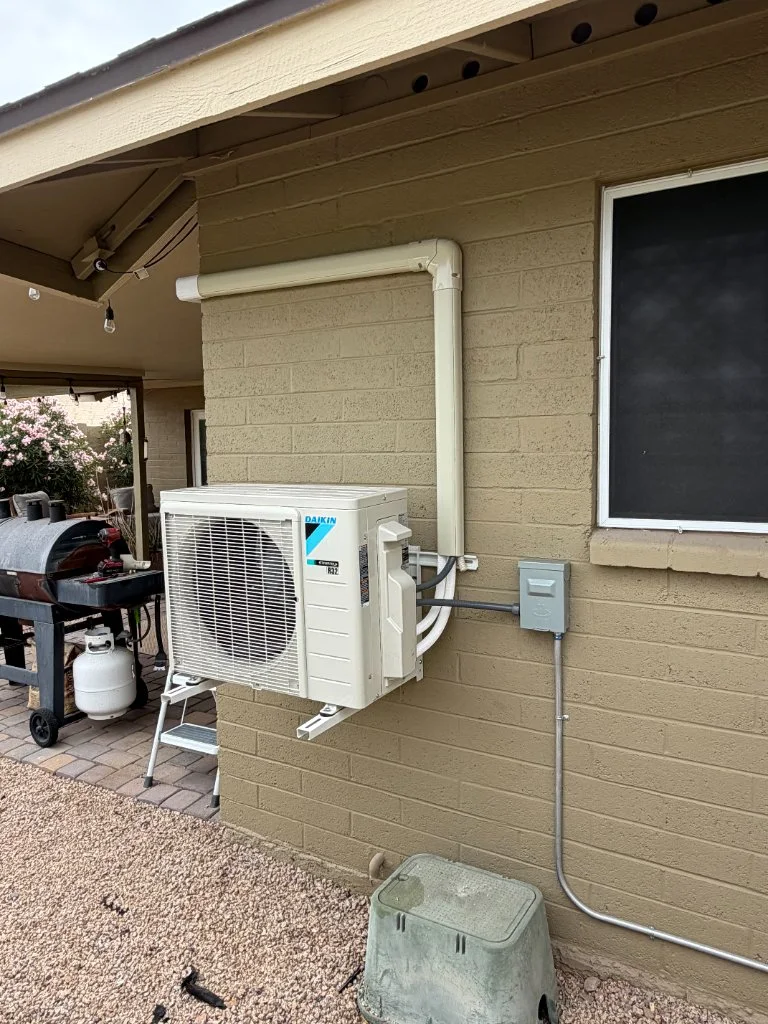
Customer reviews often highlight Mitsubishi's reliability and quiet operation, while Daikin is praised for its innovative features and competitive pricing.
| Brand | Performance Rating | Warranty |
|---|---|---|
| Mitsubishi Electric | High | 10 years |
| Daikin | High | 10 years |
| LG | Moderate | 10 years* |
*LG typically offers a 10-year warranty on compressors for their mini-split systems.
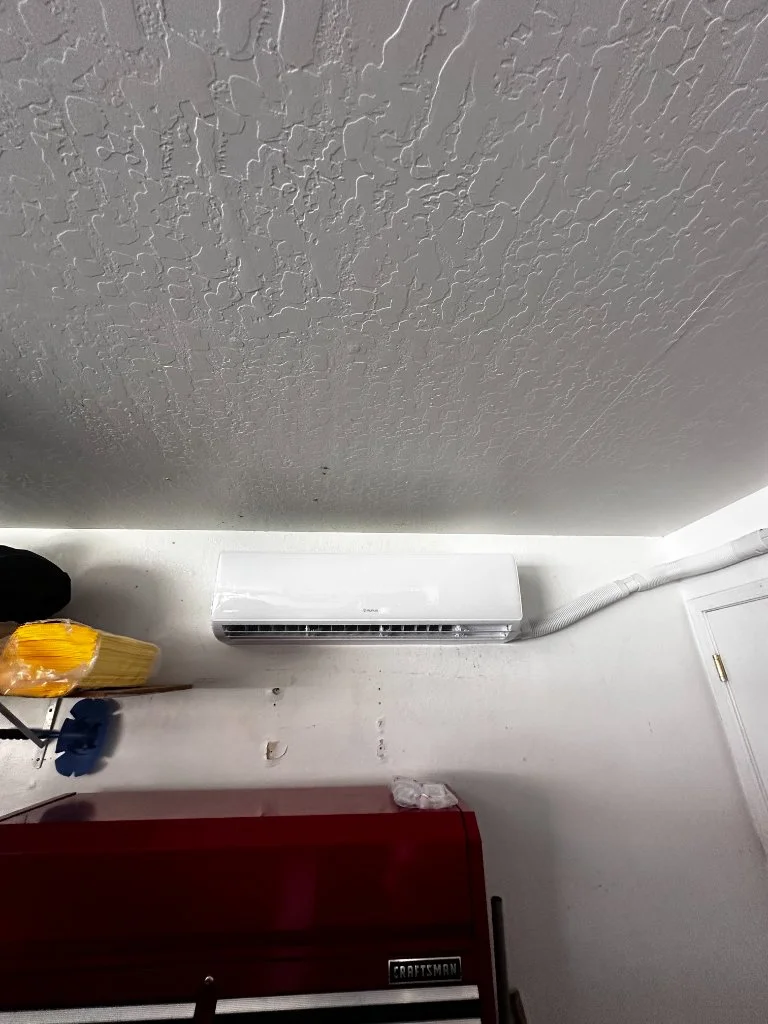
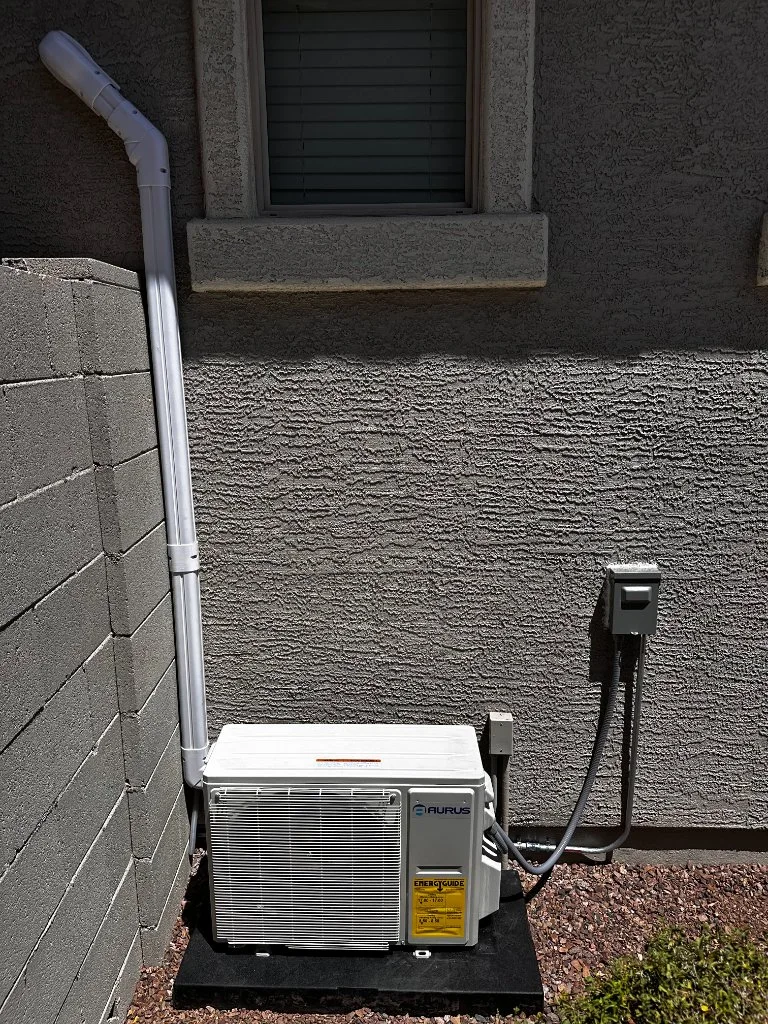
Arizona homeowners can expect 24/7 emergency services for mini-split systems from Core Comfort HVAC, which includes rapid diagnosis and repair of all mini-split issues. The company prioritizes prompt service without compromising on quality, ensuring that help is available whenever needed.
Additionally, they provide high-quality installation, repair, and maintenance services, as reflected in customer testimonials that highlight their professionalism and expertise.
COMFORT, EXPLAINED
Understanding the installation process and associated costs is crucial for homeowners considering a mini-split system. Proper installation ensures optimal performance and longevity of the system.
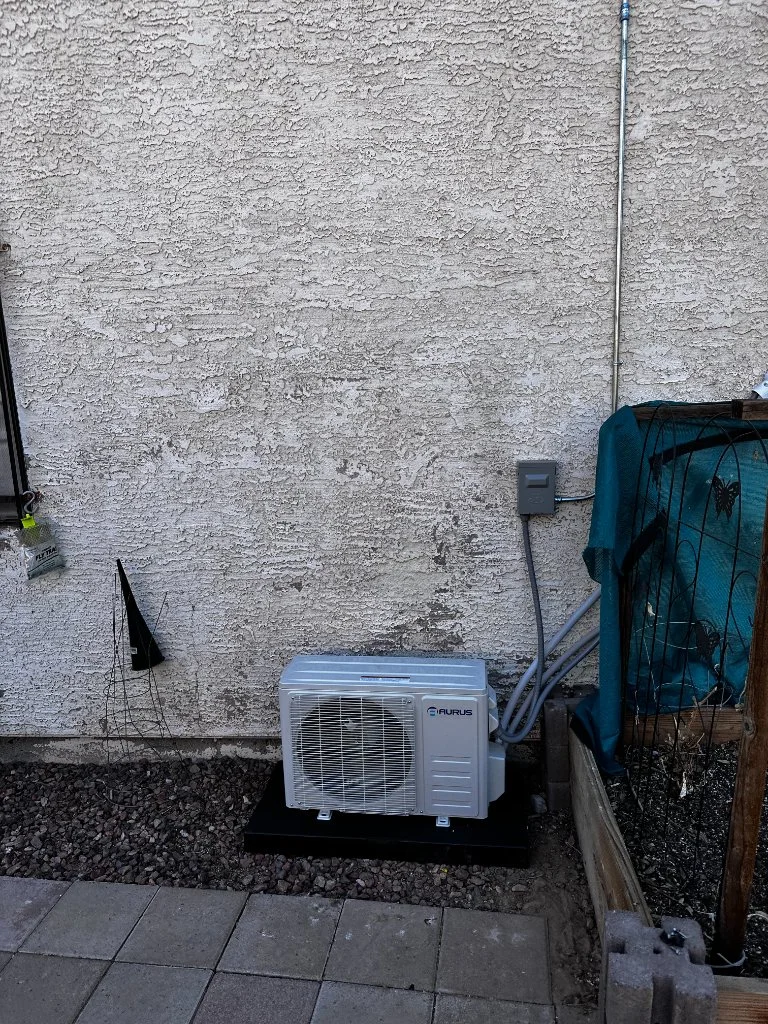
The installation of a mini-split system typically involves several steps:
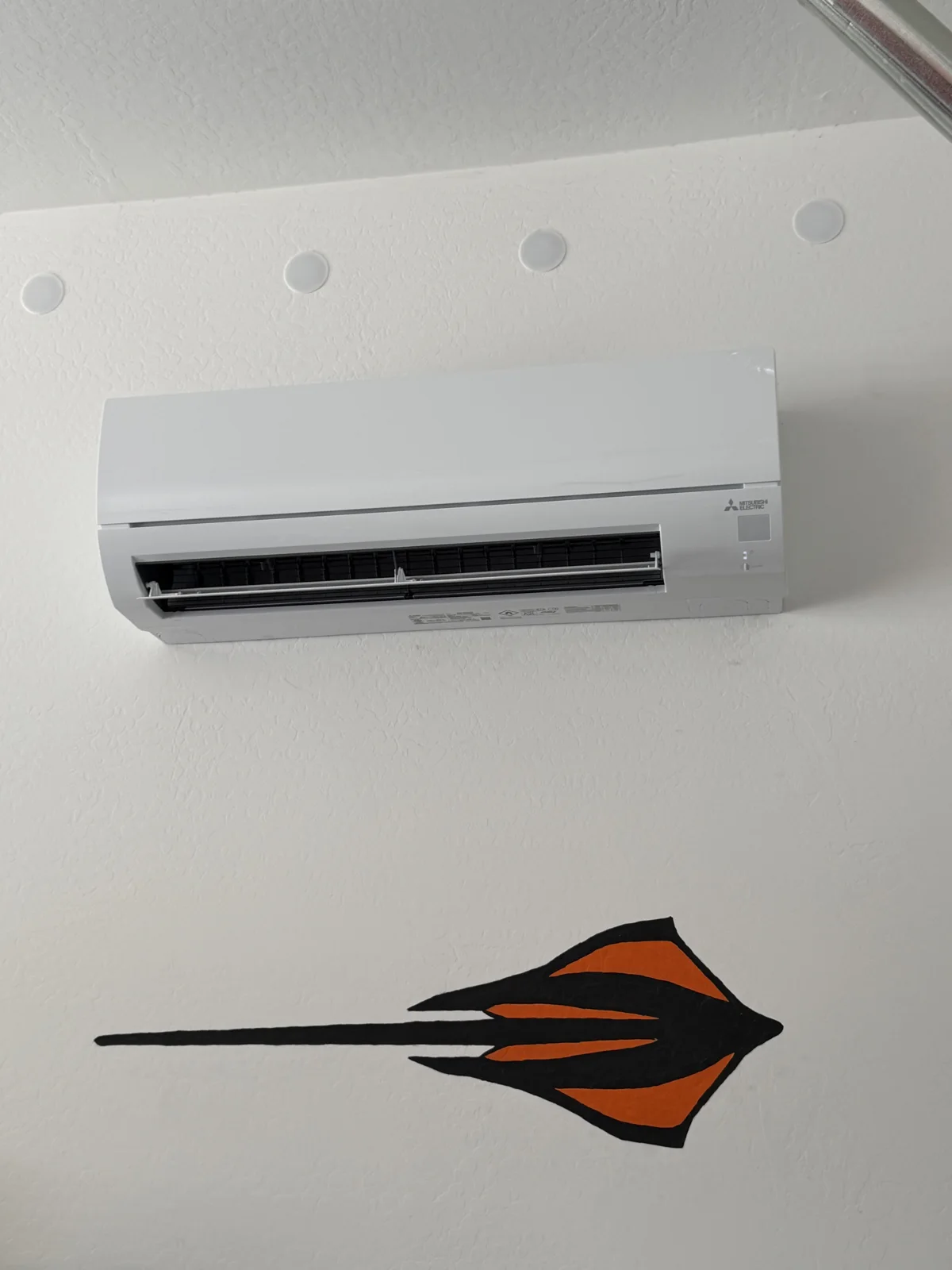
A professional will evaluate your home to determine the best locations for the indoor and outdoor units.
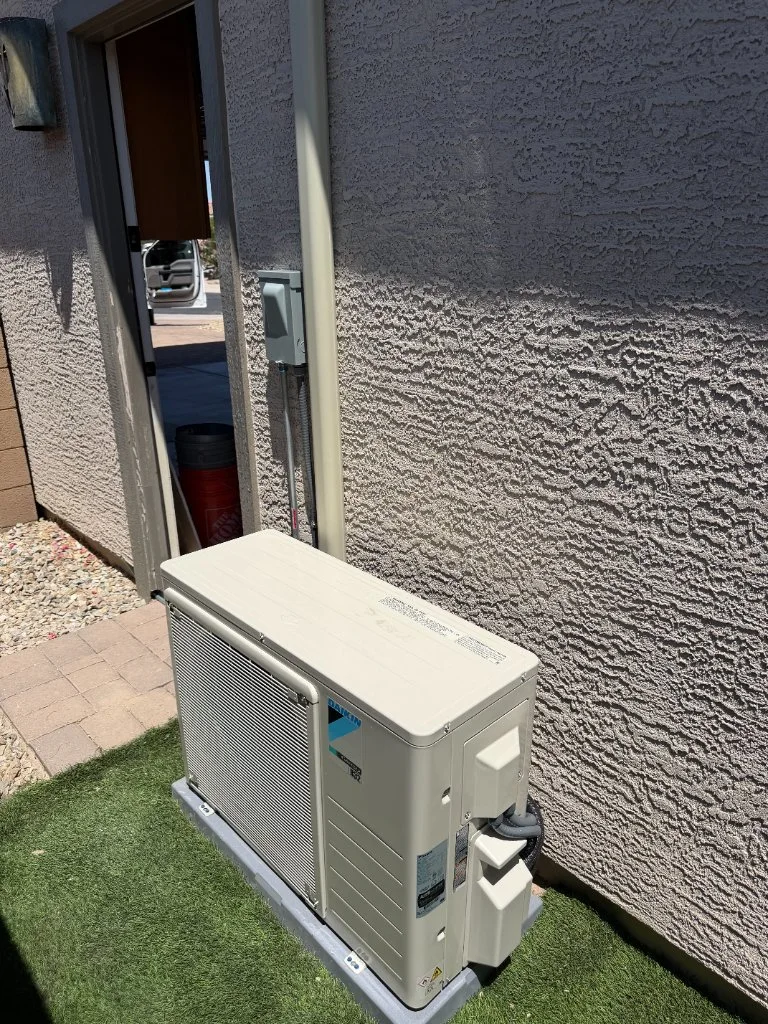
Depending on local regulations, permits may be required for installation.
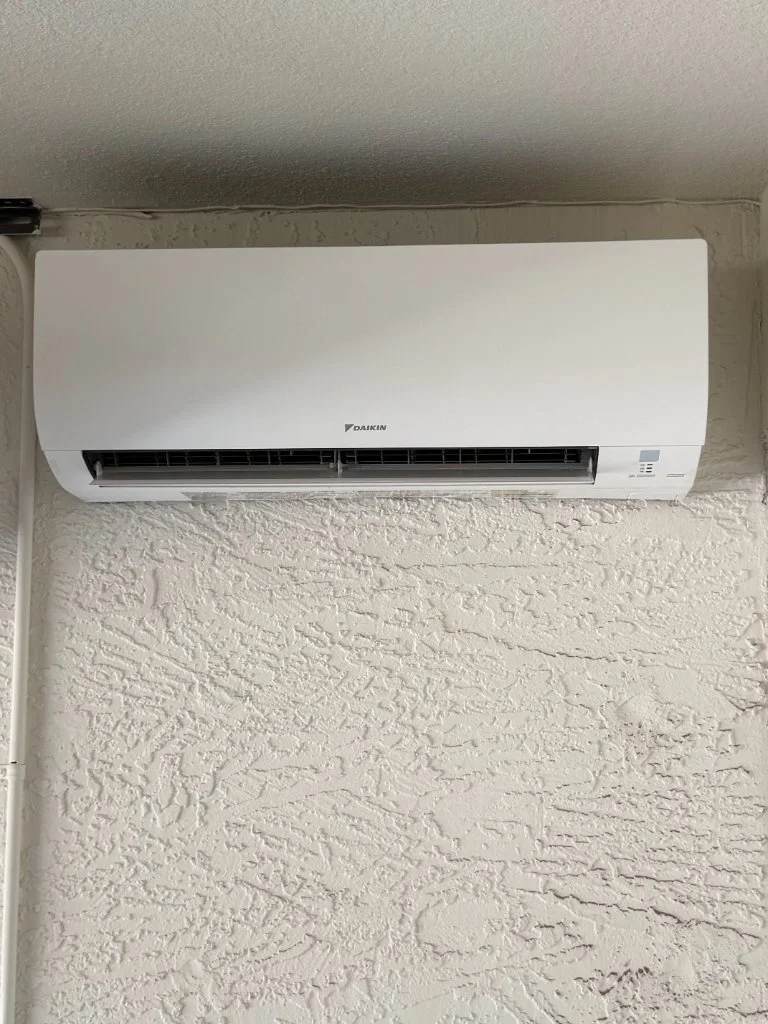
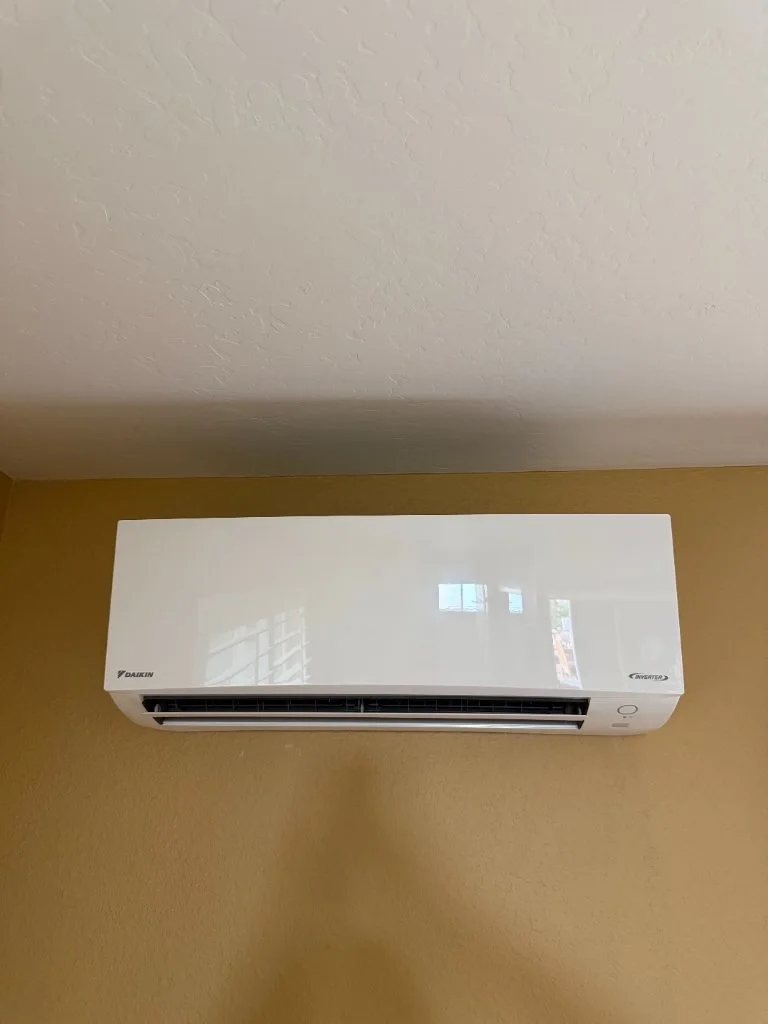
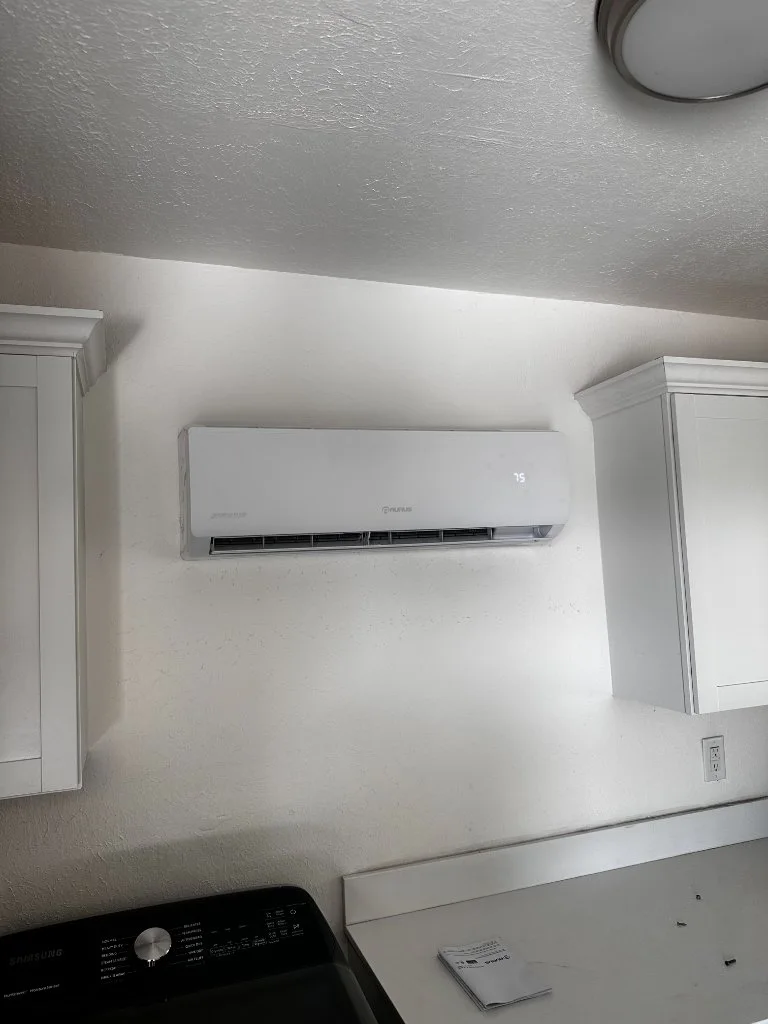
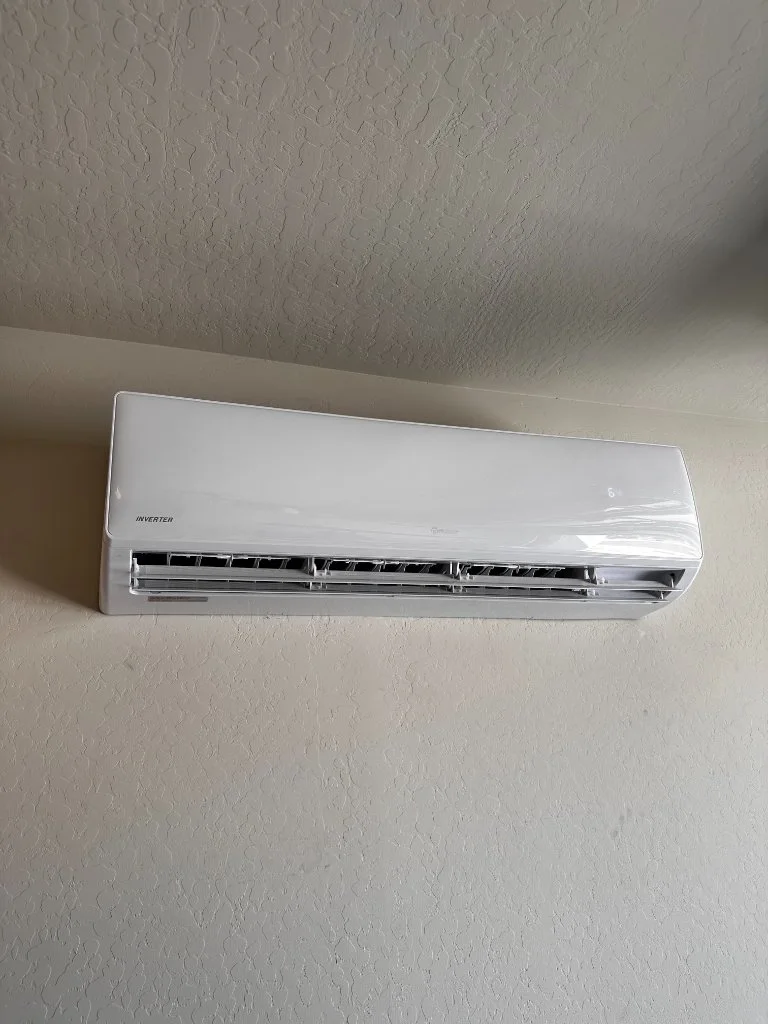
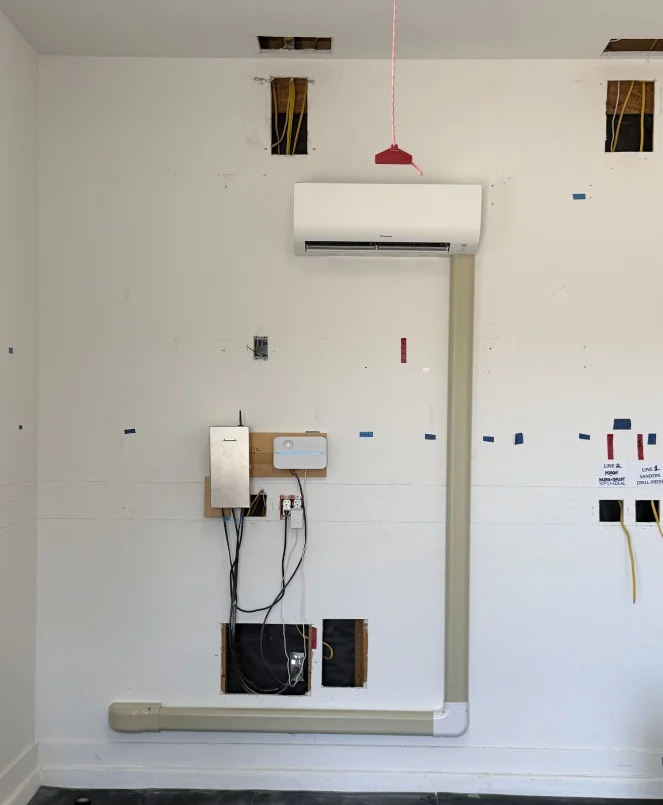
Mount the indoor unit on the wall or ceiling in the designated area.
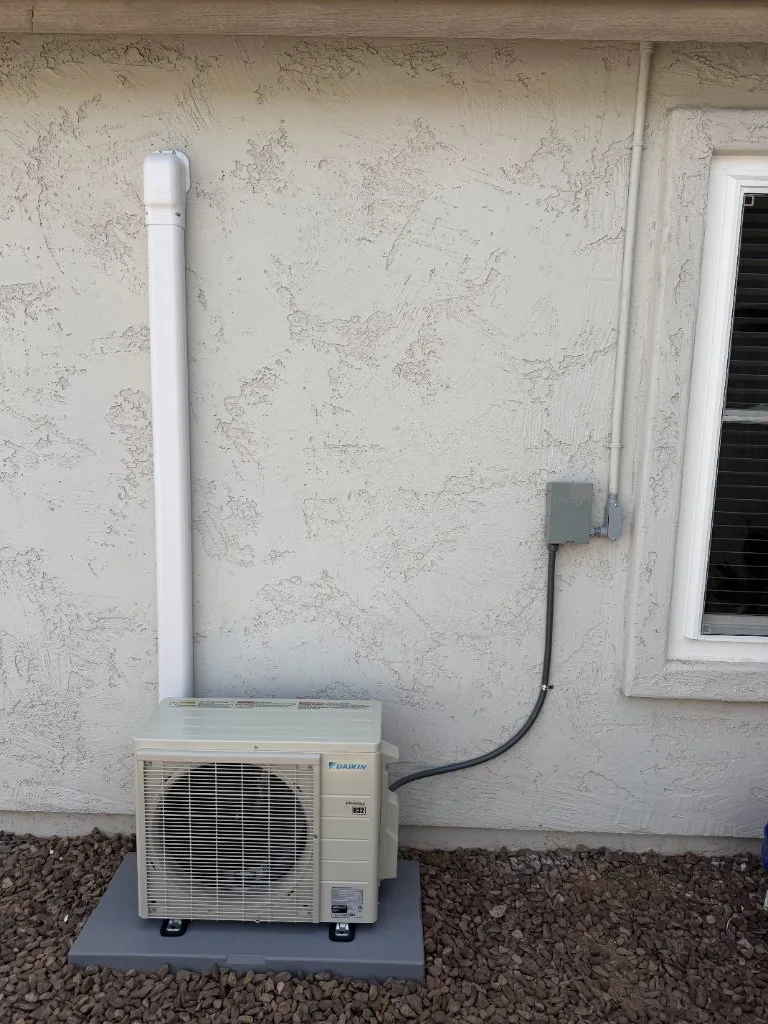
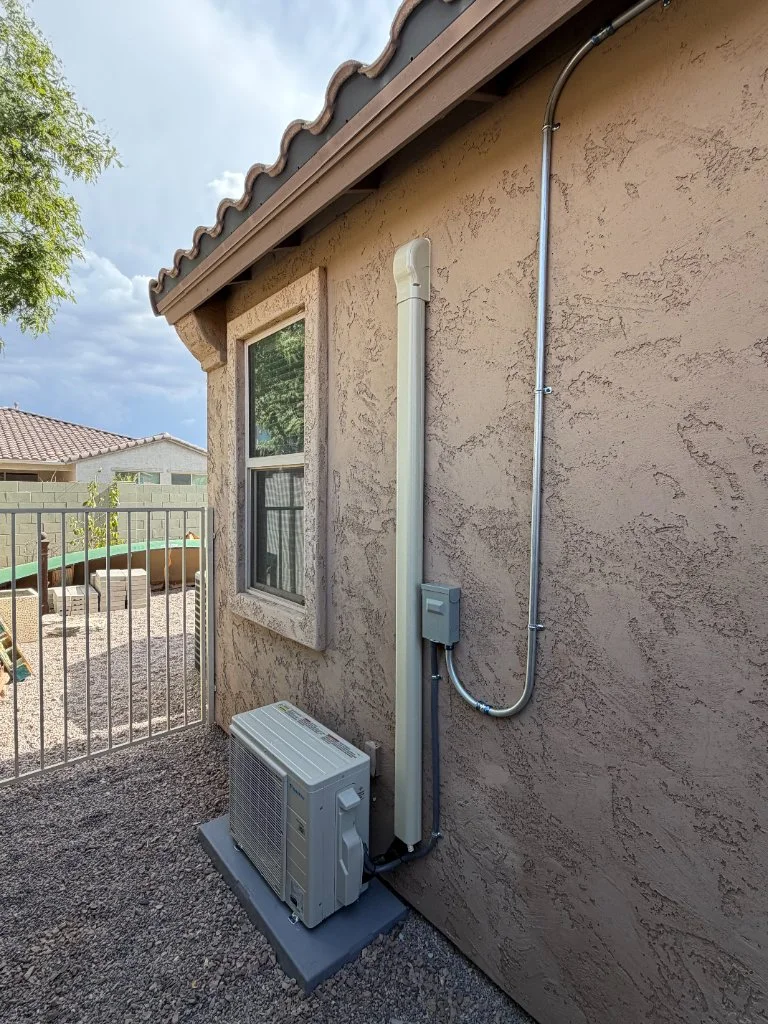
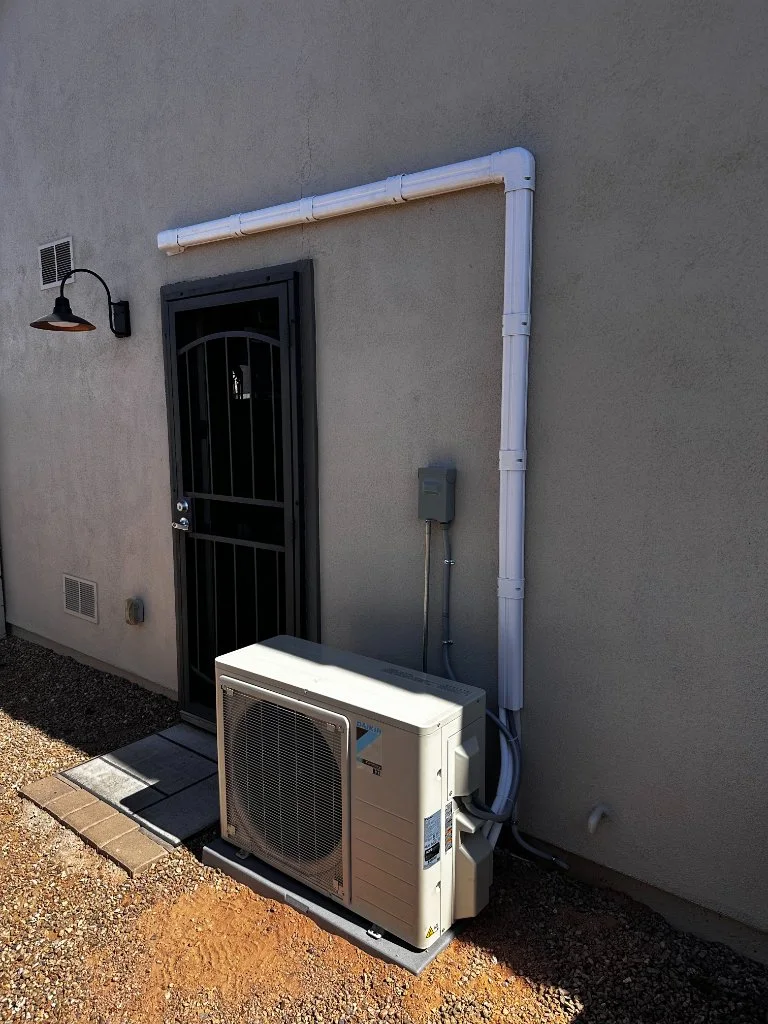
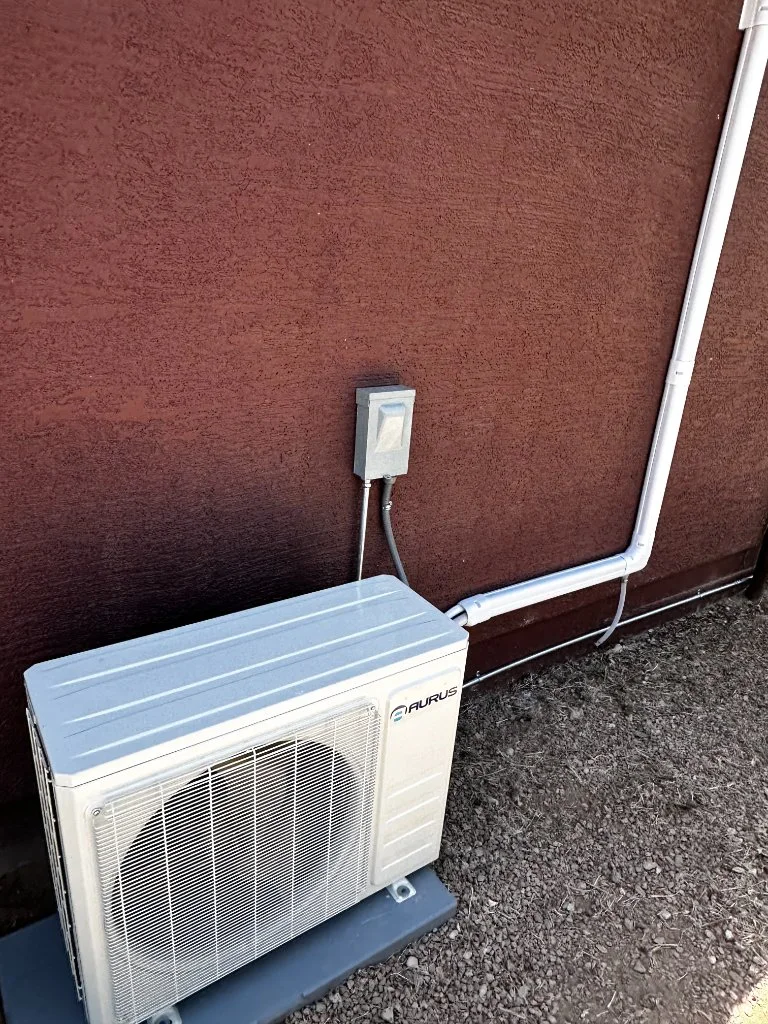
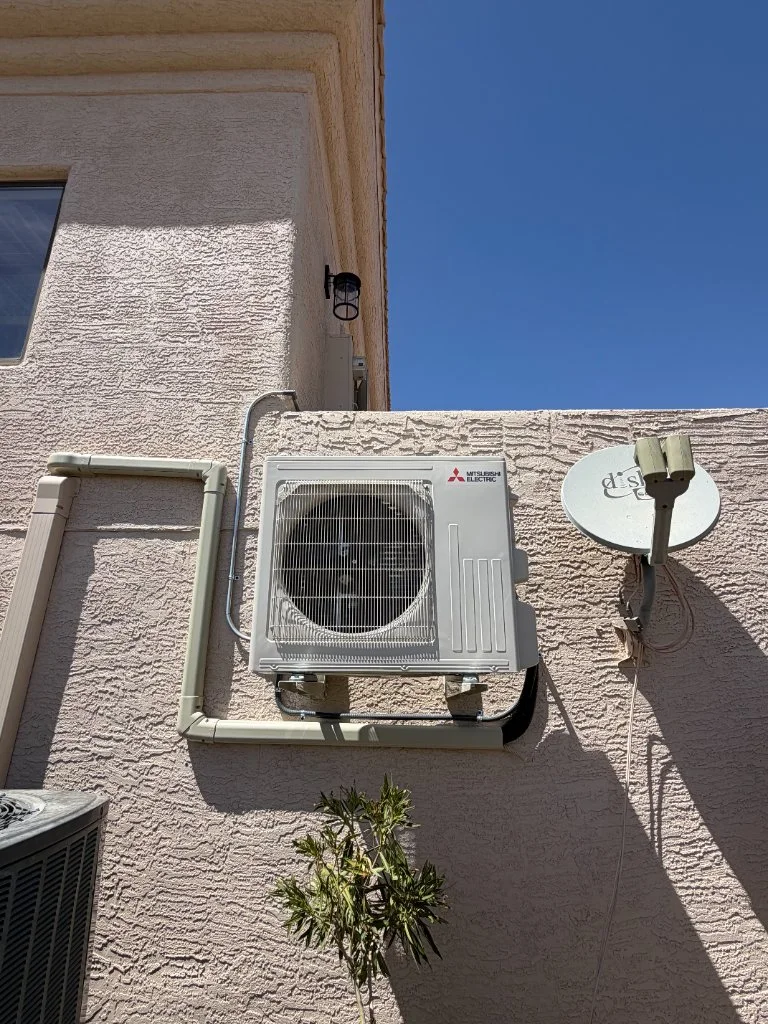
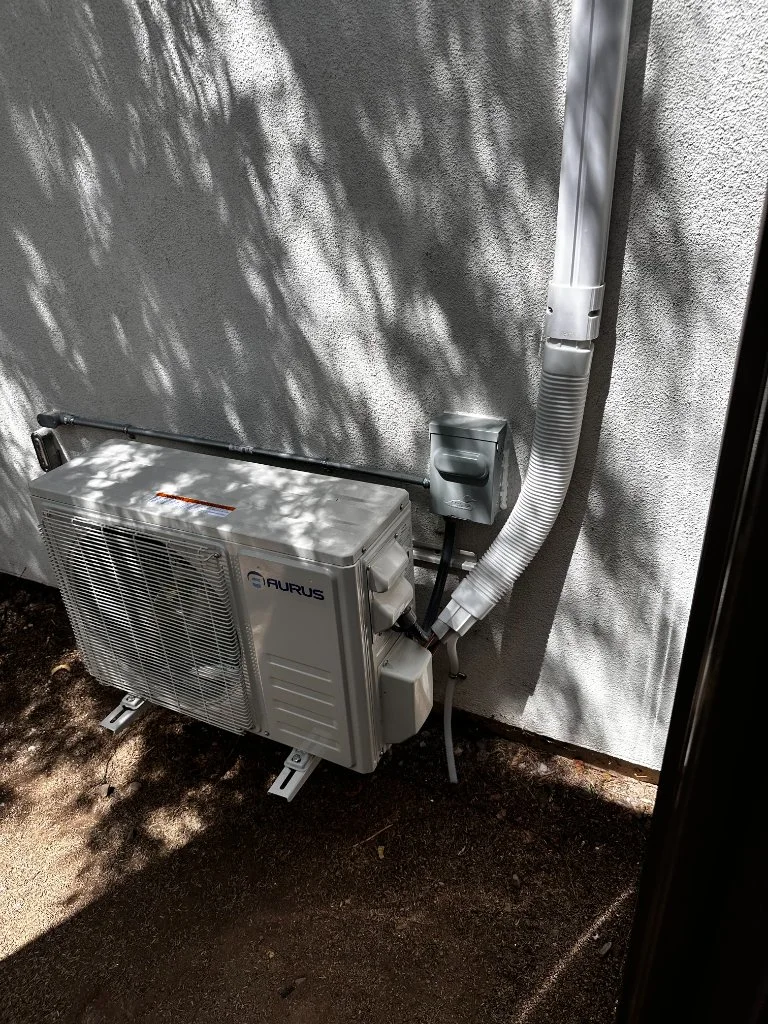
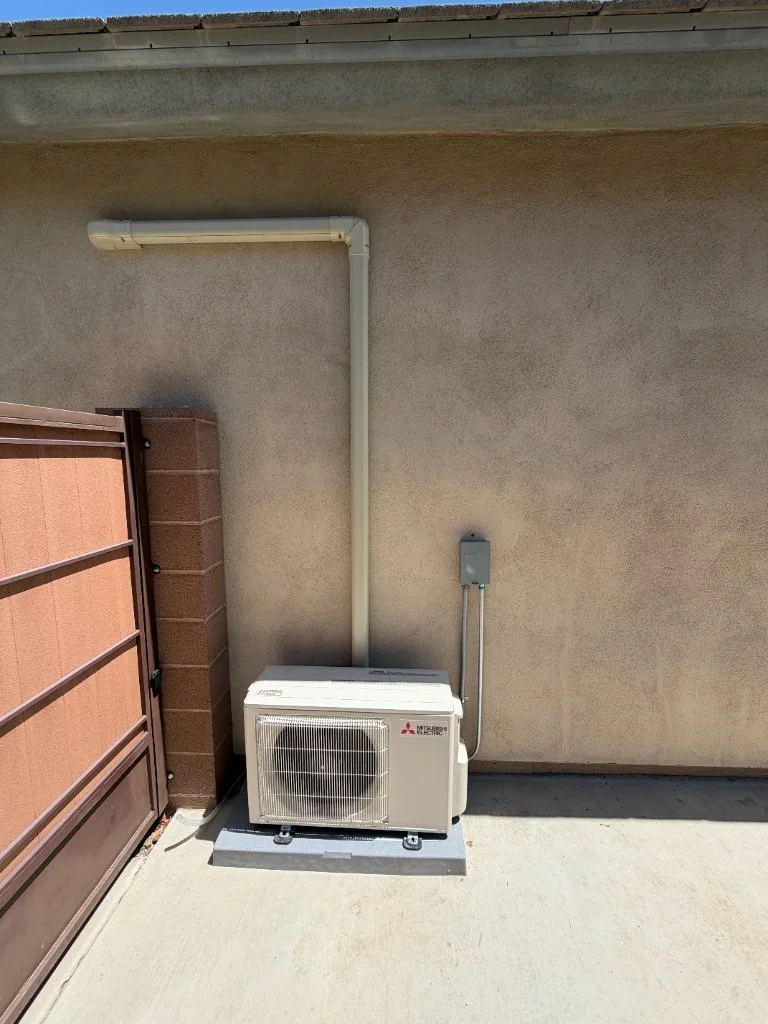
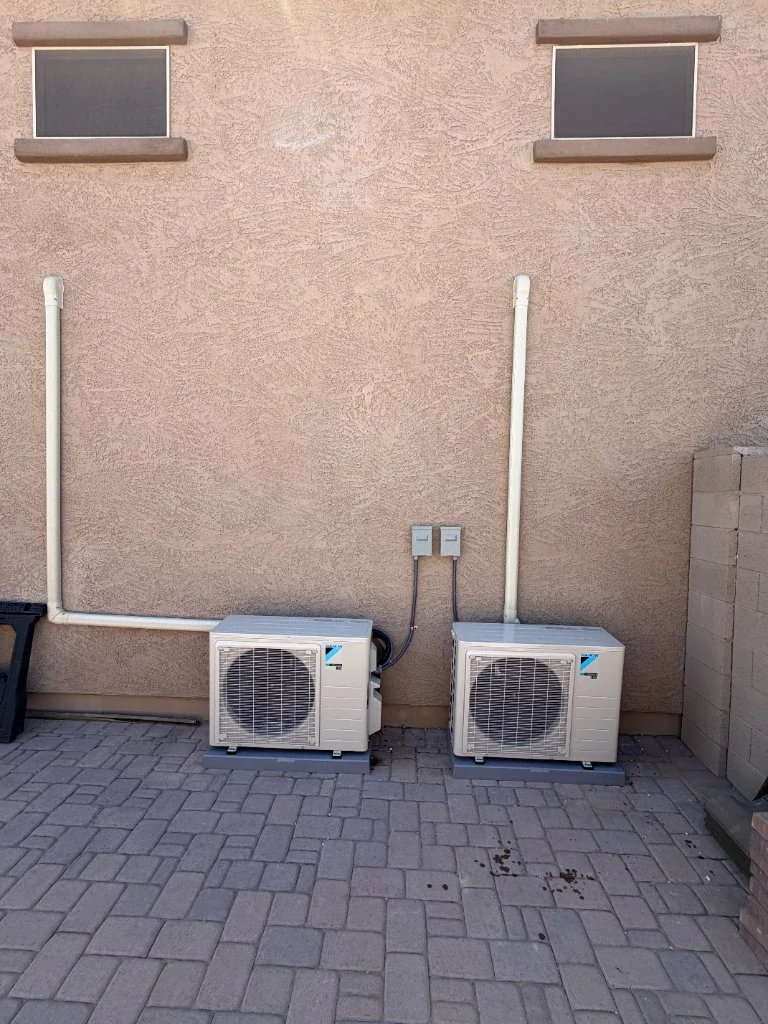
Install the outdoor unit on a stable surface, typically on a concrete pad or mounted on brackets.
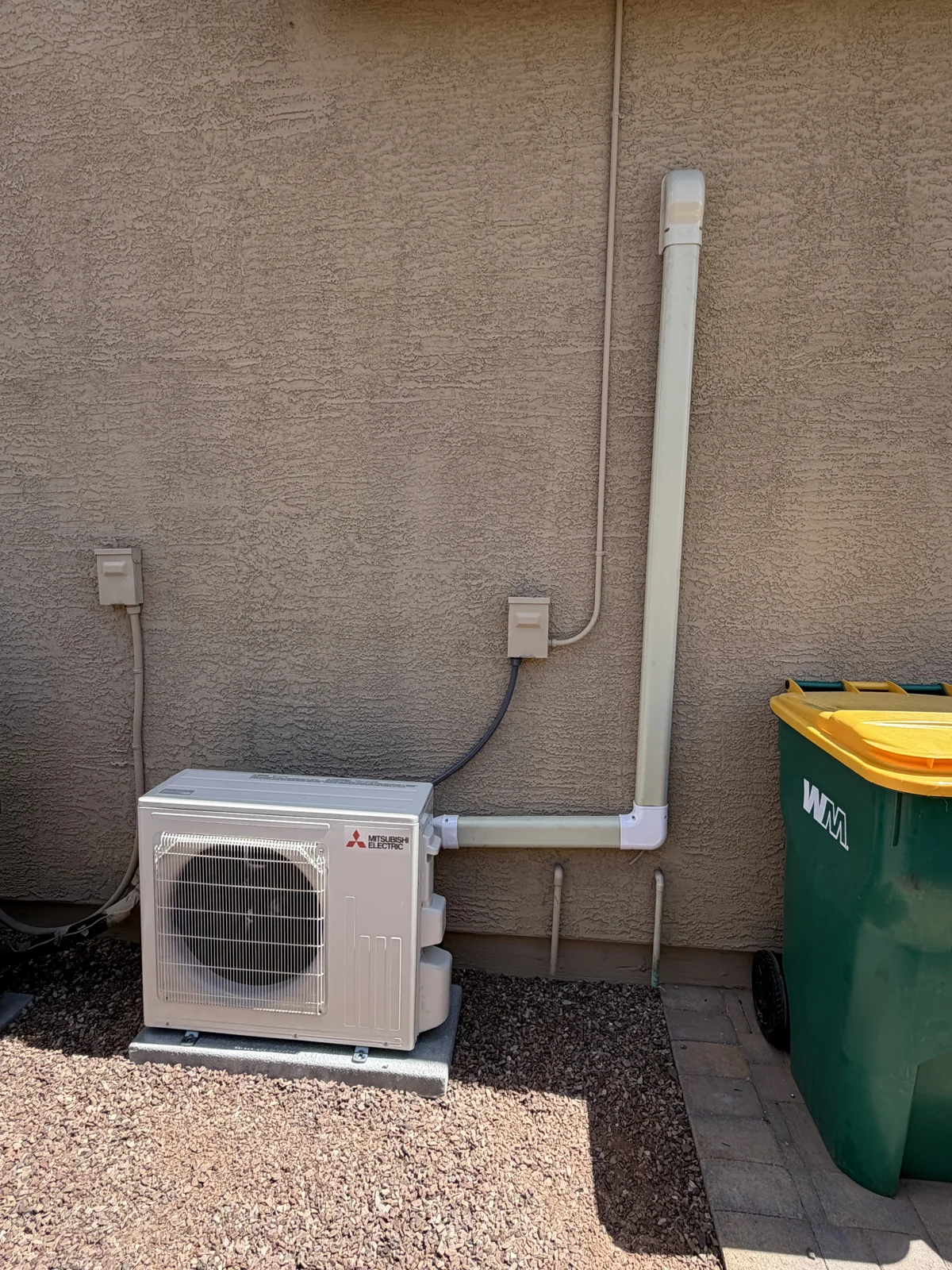
Run refrigerant lines between the indoor and outdoor units.
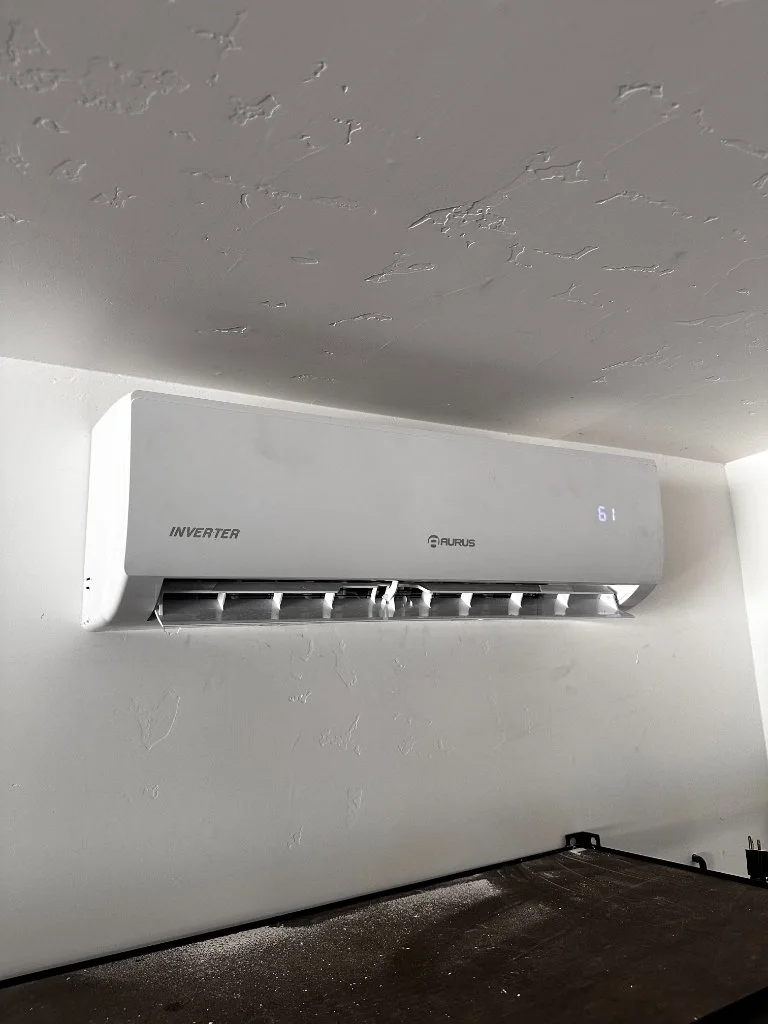
Connect electrical wiring to both units and ensure proper power supply.
Test the system to ensure it is functioning correctly and efficiently.
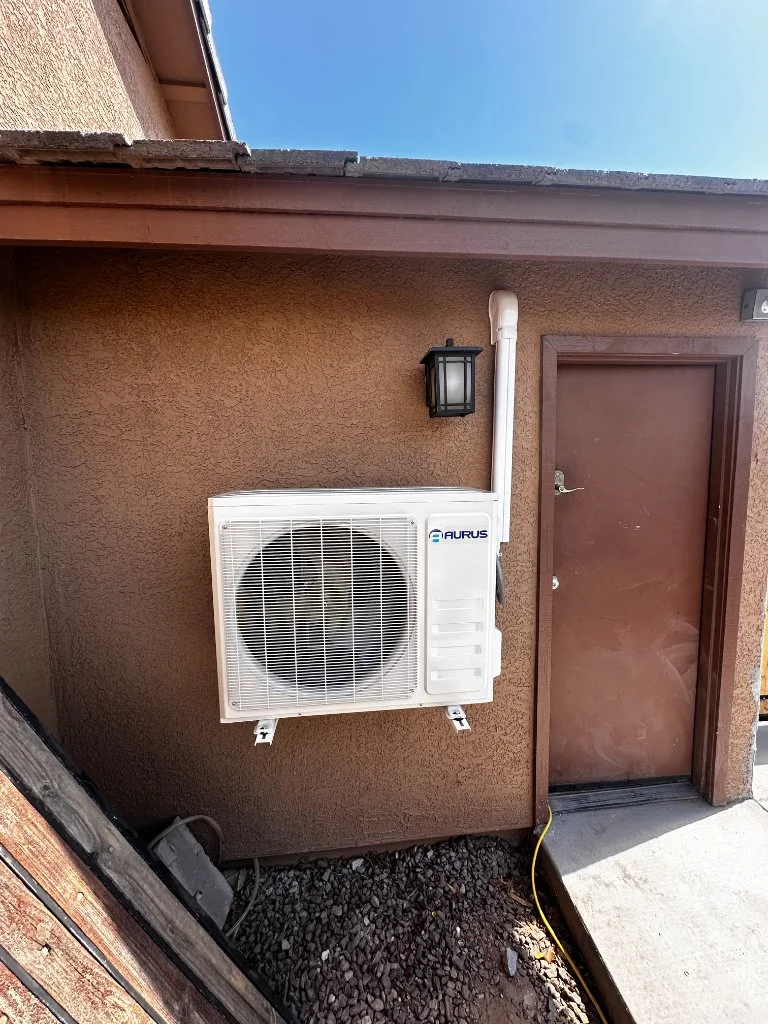
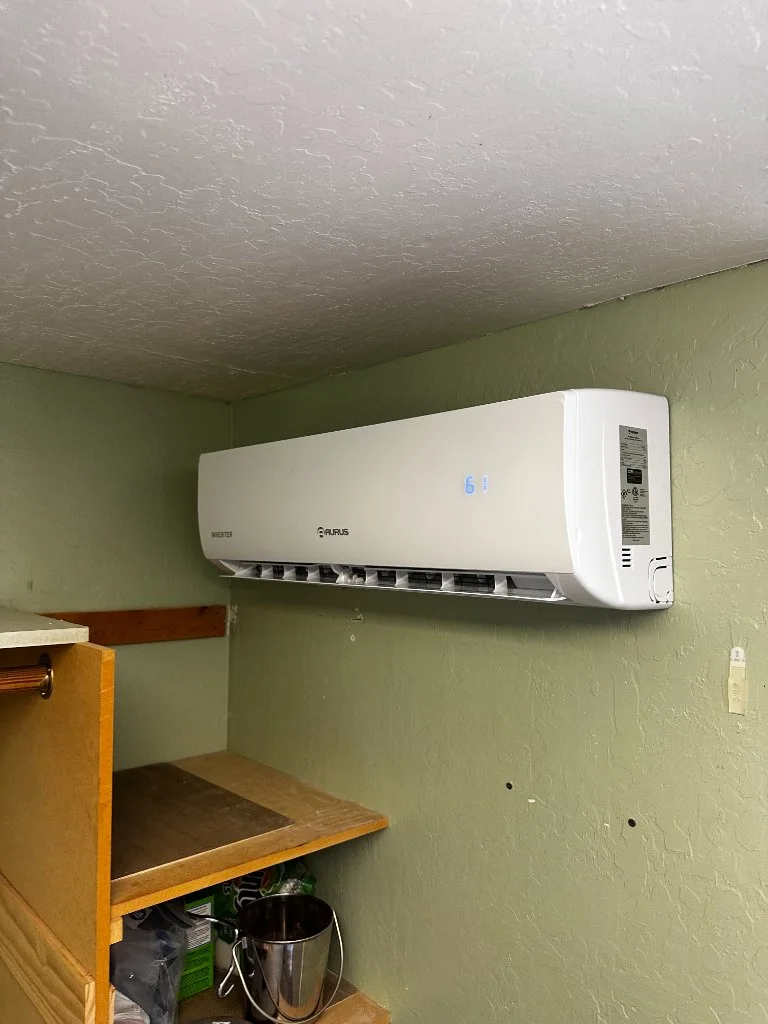
The cost of installing a mini-split system in Phoenix can vary based on several factors, including the size of the system, the complexity of the installation, and the brand selected. On average, homeowners can expect to pay between $2,500 and $5,000 for a complete installation.
COMFORT, EXPLAINED
Maximizing the energy efficiency of your mini-split system not only reduces your energy bills but also extends the lifespan of the unit. Here are some strategies:
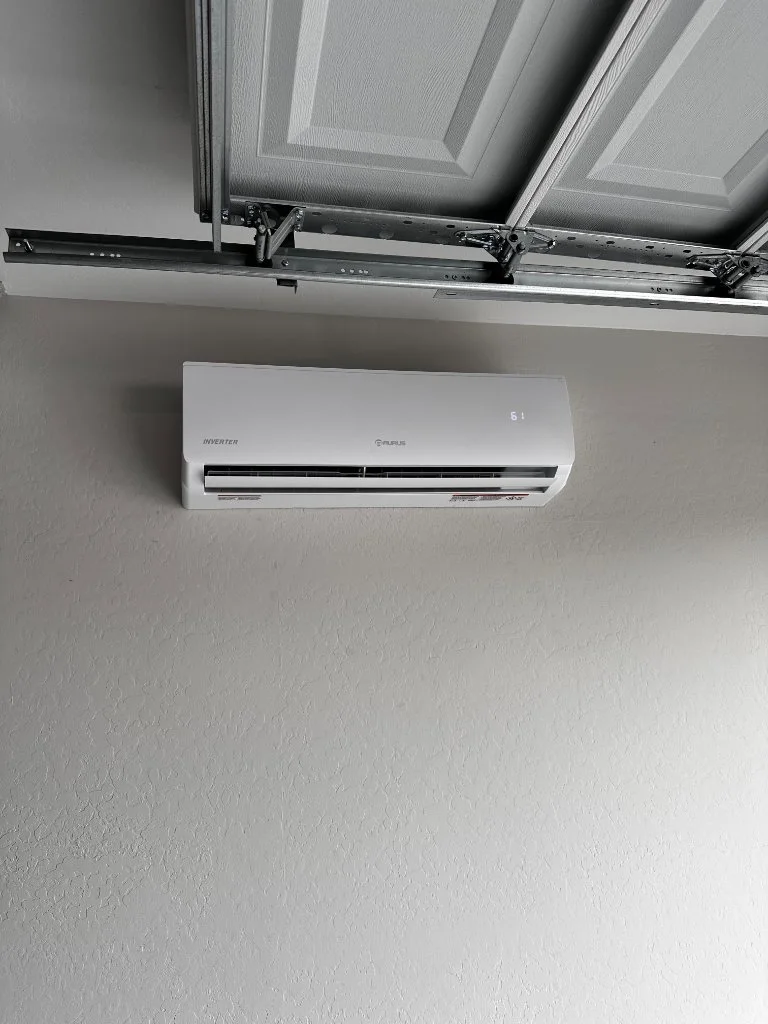
Schedule annual maintenance to keep your system running efficiently.
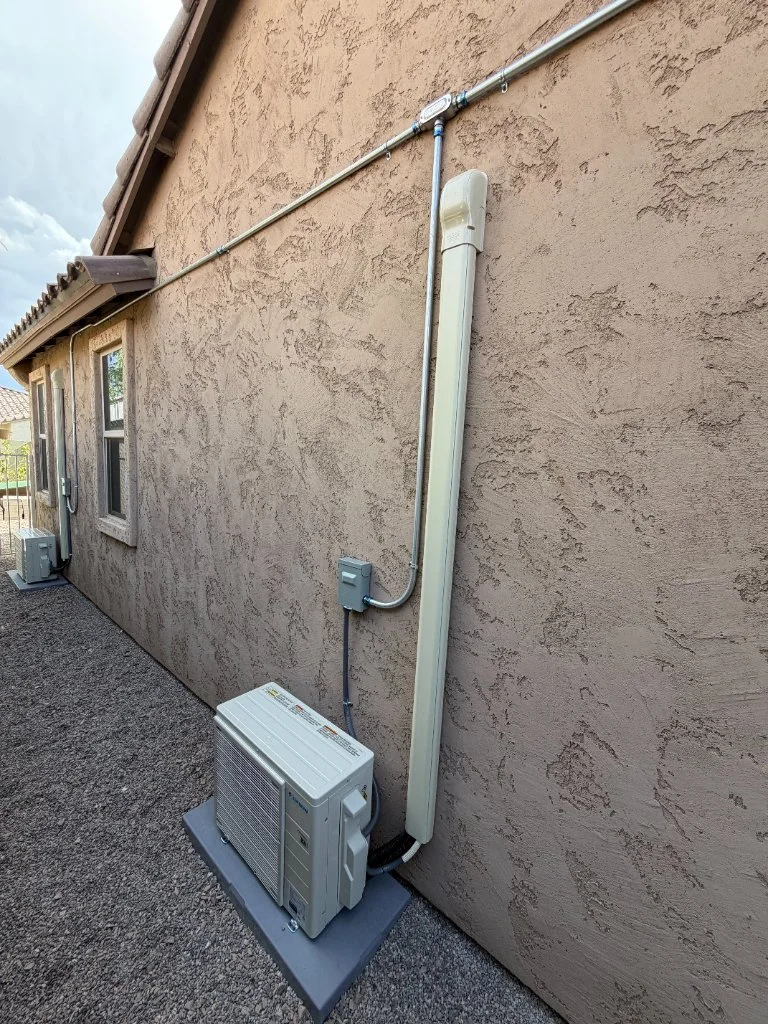
Clean or replace filters monthly to ensure proper airflow.
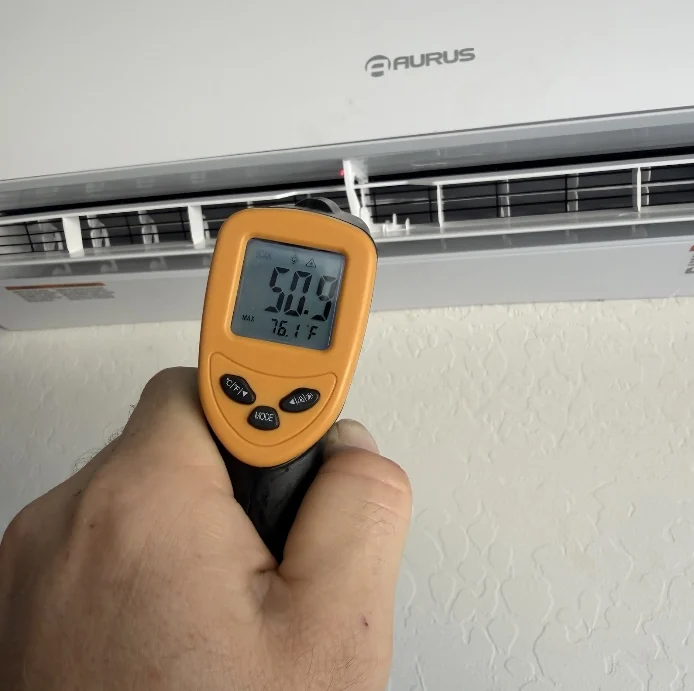
Invest in smart thermostats to optimize temperature settings and schedules.
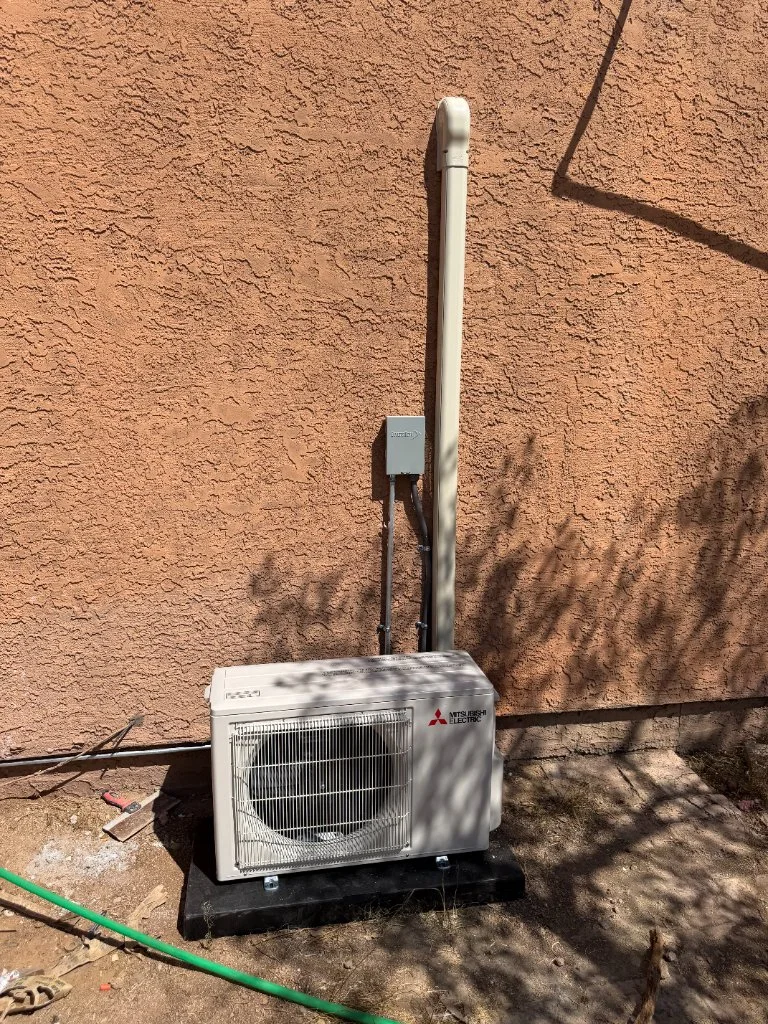
Ensure your home is well-sealed and insulated to prevent cool air loss.
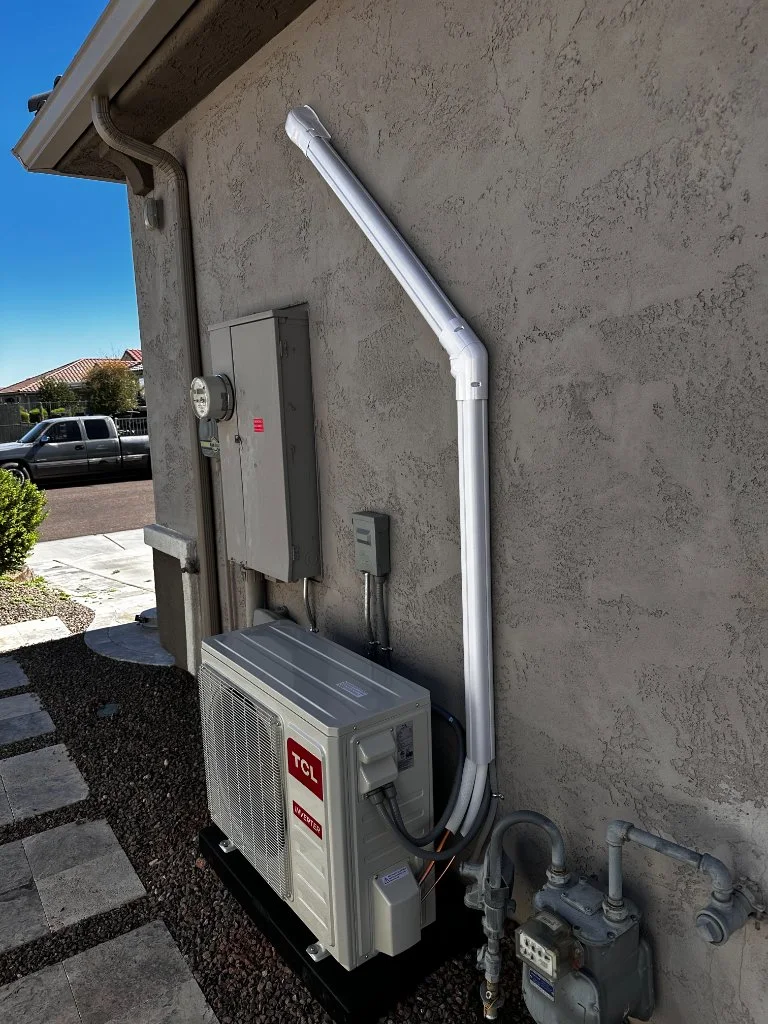
Provide shade for outdoor units to prevent overheating in the Phoenix sun.
COMFORT, EXPLAINED
Proper maintenance is essential for ensuring your mini-split system operates efficiently and lasts for many years. Here are key maintenance tips:
Monthly Filter Cleaning: Clean or replace air filters every month during heavy use periods.
Annual Professional Service: Schedule a professional tune-up once a year to check refrigerant levels, electrical connections, and overall system health.
Keep Units Clear: Ensure both indoor and outdoor units are free from obstructions and debris.
Check for Leaks: Regularly inspect refrigerant lines for any signs of leakage.
By following these maintenance practices and working with Core Comfort HVAC, you can ensure your mini-split system provides reliable, efficient cooling for your Phoenix home for years to come.
Get expert guidance from Core Comfort HVAC. We'll help you select the perfect system for your home.
Tell us what your home needs. Our team will follow up to discuss your options and the next step toward a site-specific quote.
Prefer to talk? Call (602) 960-2278.