
Dirty Air Filter
The #1 cause. A clogged filter blocks warm indoor air from reaching the coil. Without enough warm air flowing across it, the coil temperature drops below freezing and ice forms.
CORE COMFORT HVAC · ARIZONA
Ice building up on your mini-split's indoor coil, copper lines, or outdoor unit is a clear sign something is wrong. A freezing unit can't cool properly and can damage the compressor if left running.
CORE COMFORT · ARIZONA
ROC 363306 | EPA Certified Technicians
It might seem counterintuitive that a mini-split can freeze up in the middle of a Phoenix summer, but it's actually one of the most common issues we see. Your indoor coil operates at temperatures below freezing during normal operation — if something disrupts the balance of airflow and refrigerant pressure, ice forms rapidly on the coil and copper lines.
A frozen mini-split is more than just a cooling problem. When ice builds up on the indoor coil, the system can't absorb heat from your indoor air, so cooling stops entirely. Worse, if liquid refrigerant makes its way back to the compressor — which is designed to handle gas, not liquid — it can cause catastrophic compressor failure. That's one of the most expensive repairs in the HVAC world.
If you notice ice on your mini-split, turn it off immediately and let the ice melt completely before running it again. This guide will help you understand why your unit is freezing, what you can check yourself, and when it's time to call a professional. In most cases, the fix is straightforward — but ignoring the problem can lead to thousands of dollars in damage.
If you're experiencing mini-split freezing up, you'll typically notice one or more of the following:
COMFORT, EXPLAINED
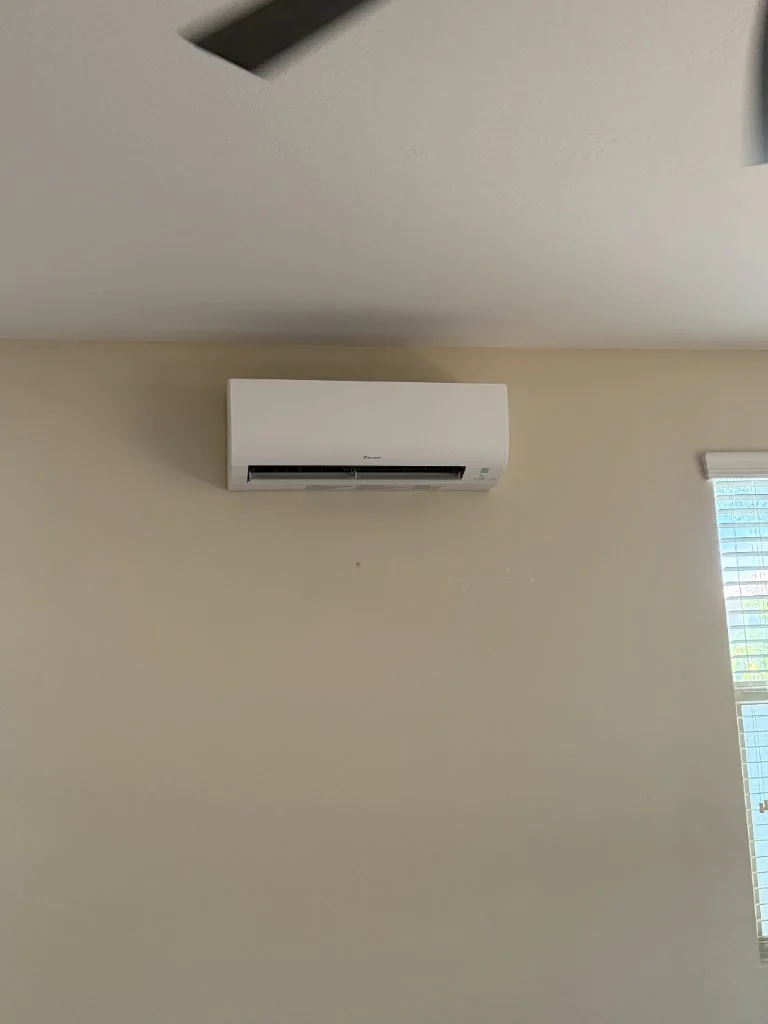
Understanding the root cause is the first step toward fixing it. Here are the most common reasons we see mini-split freezing up in mini-split systems across the Phoenix Valley:
The #1 cause. A clogged filter blocks warm indoor air from reaching the coil. Without enough warm air flowing across it, the coil temperature drops below freezing and ice forms.
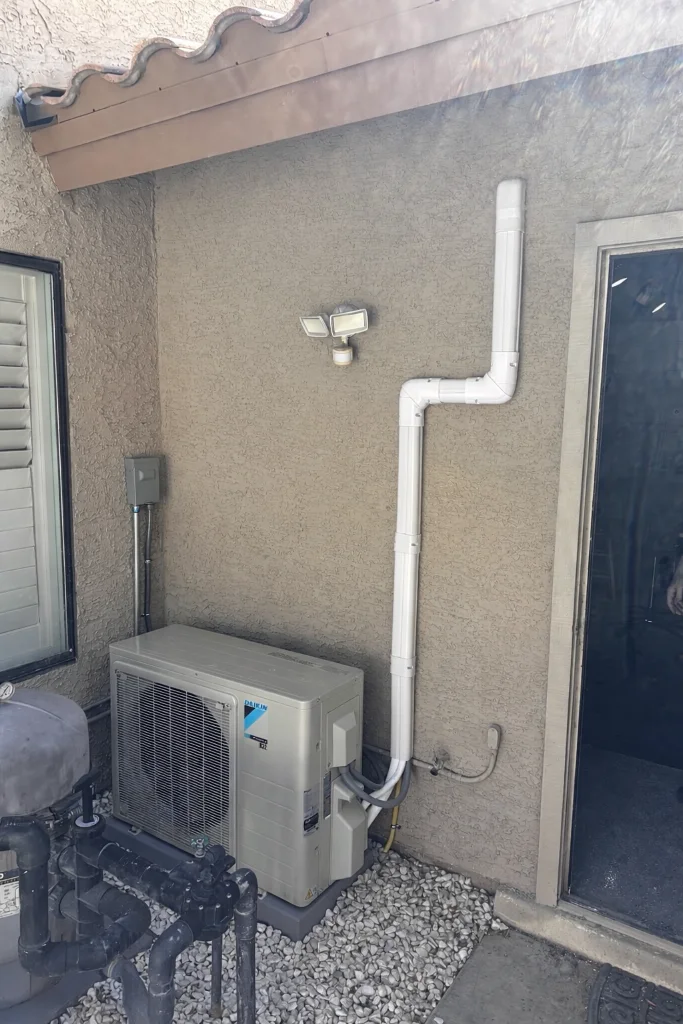
When refrigerant levels drop due to a leak, the pressure in the coil decreases, causing the coil temperature to drop below freezing. This is a very common cause of ice formation.
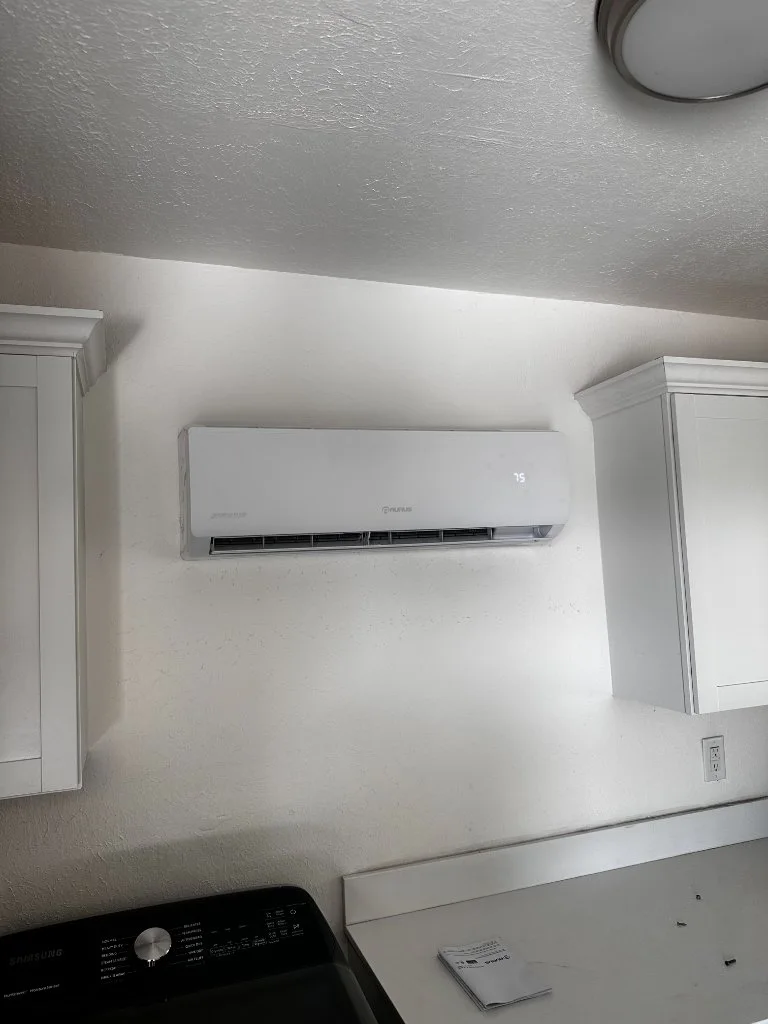
Dust and dirt on the indoor coil act as insulation, preventing proper heat exchange. The coil gets too cold and ice accumulates on the surface.
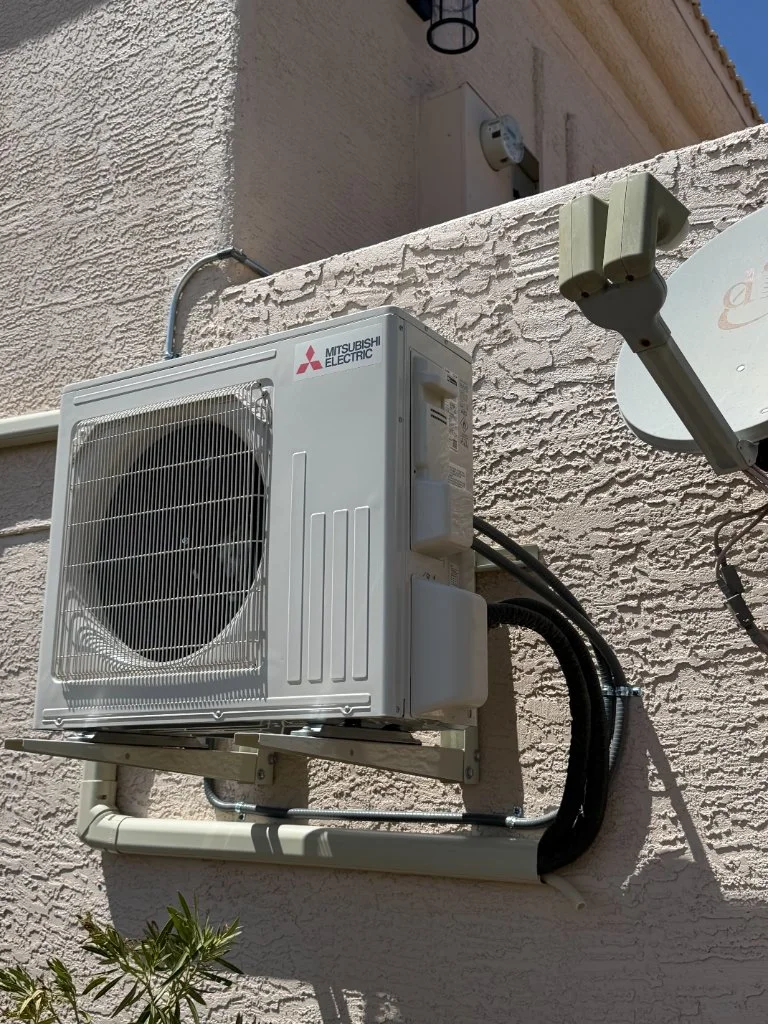
Furniture, curtains, or obstructions near the indoor unit can block airflow, just like a dirty filter. Closed doors or poor room ventilation also contribute.
If the indoor fan isn't running at full speed — or isn't running at all — there's not enough warm air moving across the coil, causing it to freeze.
Running a standard mini-split in cooling mode when outdoor temperatures are very low can cause coil freezing, though this is rare in Phoenix.
Before calling a technician, there are a few safe and simple checks you can do yourself. These won't fix every problem, but they rule out the easy stuff — and they're free:
Safety note: Do not open the unit or attempt electrical or refrigerant repairs yourself — those require a licensed professional.
COMFORT, EXPLAINED
When you call Core Comfort HVAC, our licensed technicians will diagnose the exact cause and recommend the right fix. Here's how we approach mini-split freezing up:
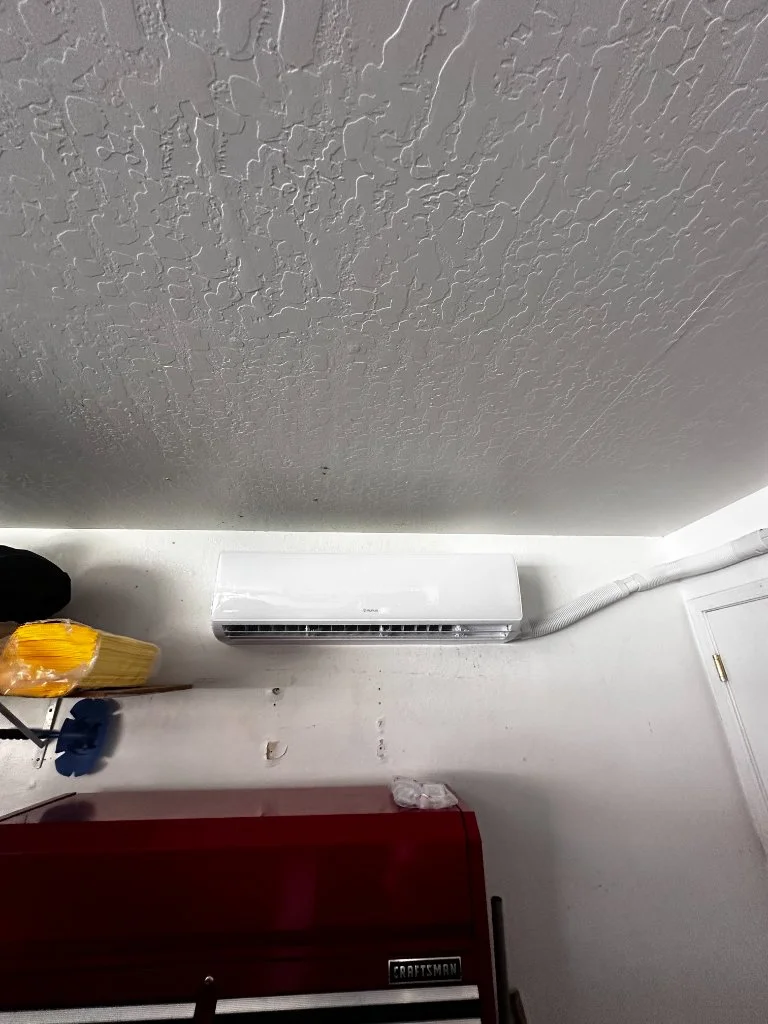
We replace dirty filters and show you how to maintain them to prevent future freezing.
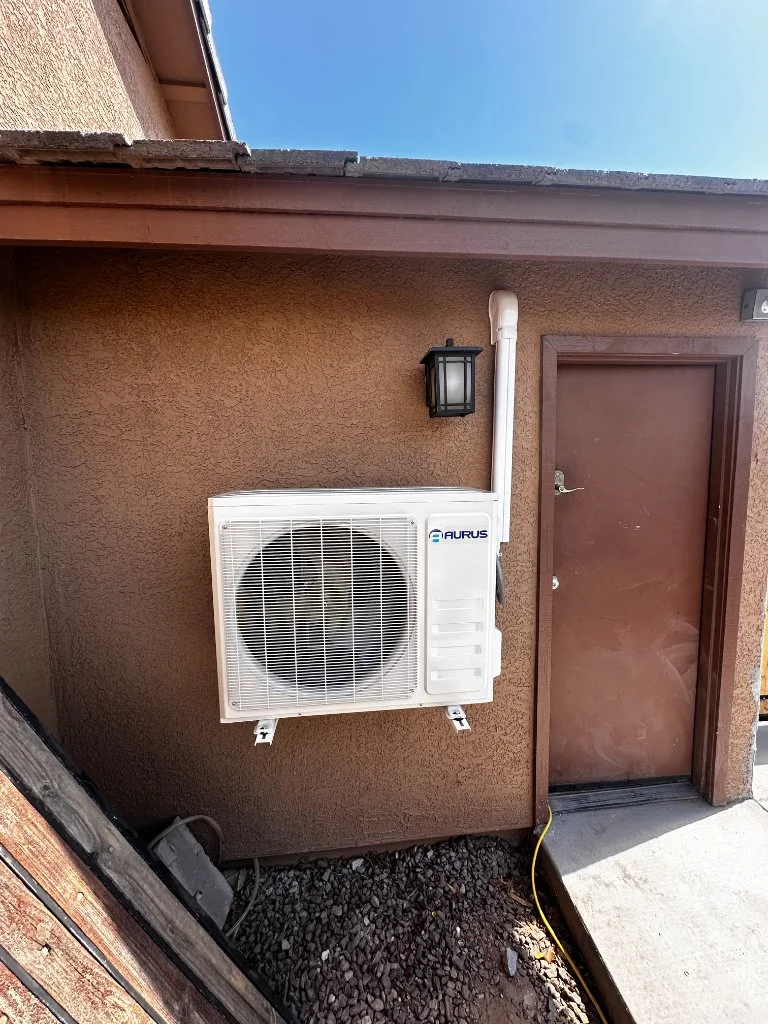
We locate and repair refrigerant leaks, then recharge the system to proper pressure to prevent coil freezing.
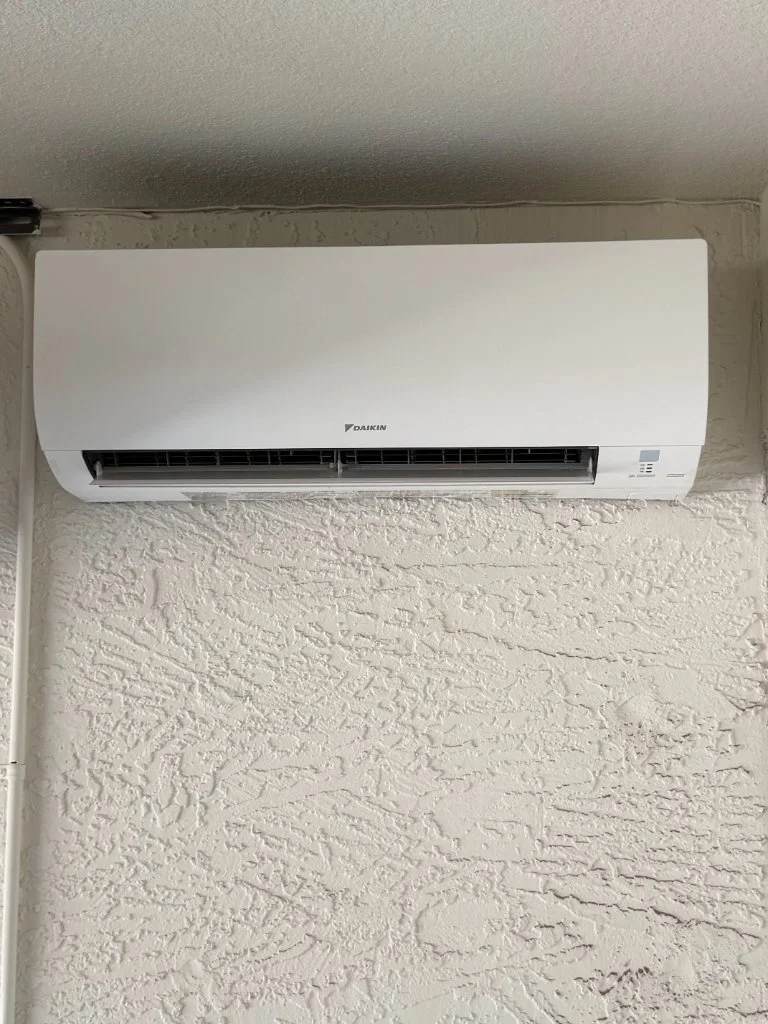
We chemically clean the indoor coil to remove built-up dirt and restore proper heat transfer.
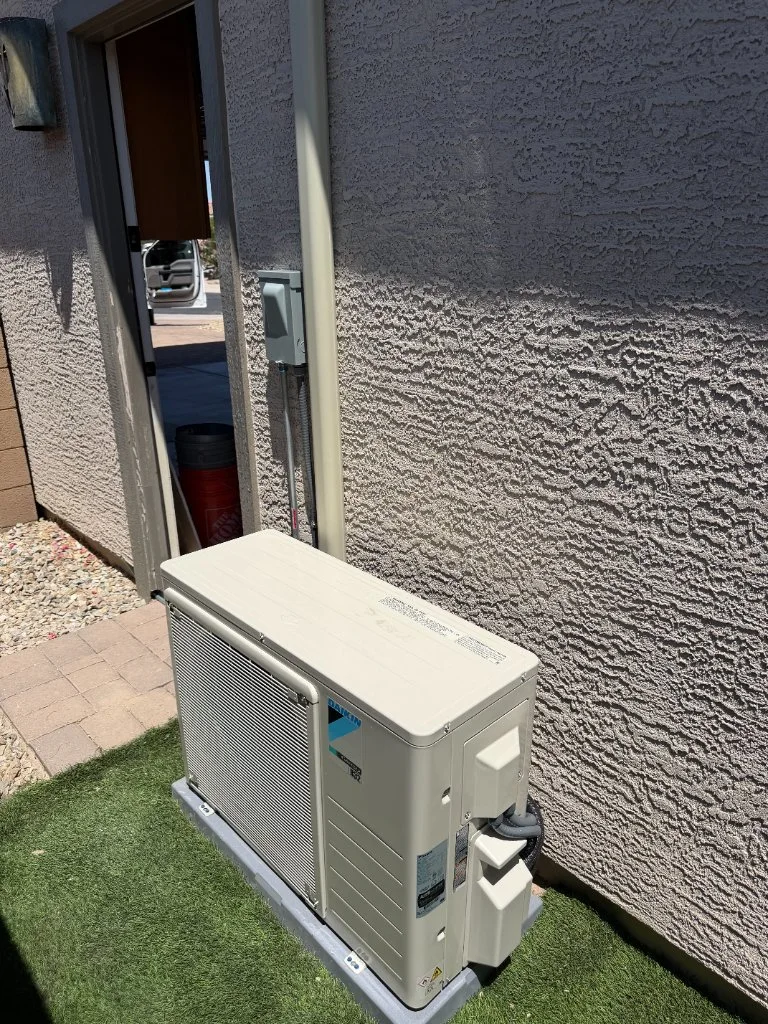
If the indoor fan isn't running properly, we diagnose and repair or replace the blower motor or its capacitor.
We safely defrost the system, inspect for damage caused by the ice, and restore normal operation.
If you've replaced the filter and cleared obstructions but the unit freezes again, you likely have a refrigerant leak or a mechanical issue that needs professional attention. Running a frozen mini-split can damage the compressor — an expensive repair — so turn it off and call us.
COMFORT, EXPLAINED
Yes. When the coil freezes, liquid refrigerant can reach the compressor, which is designed to handle gas, not liquid. This can cause catastrophic compressor failure — one of the most expensive mini-split repairs.
It can take 1–4 hours for ice to fully melt, depending on the amount. You can speed it up by running the unit in fan-only mode. Don't use heat or sharp objects to remove the ice.
Despite the heat outside, freezing is caused by low coil temperature due to restricted airflow or low refrigerant. Even in 115°F Phoenix heat, a mini-split with a dirty filter and low refrigerant can freeze up.
Licensed & bonded HVAC experts. Same-day service available. ROC 363306.
Tell us what your home needs. Our team will follow up to discuss your options and the next step toward a site-specific quote.
Prefer to talk? Call (602) 960-2278.